What Is Warm Hands Hand Warmers and How Do They Work?
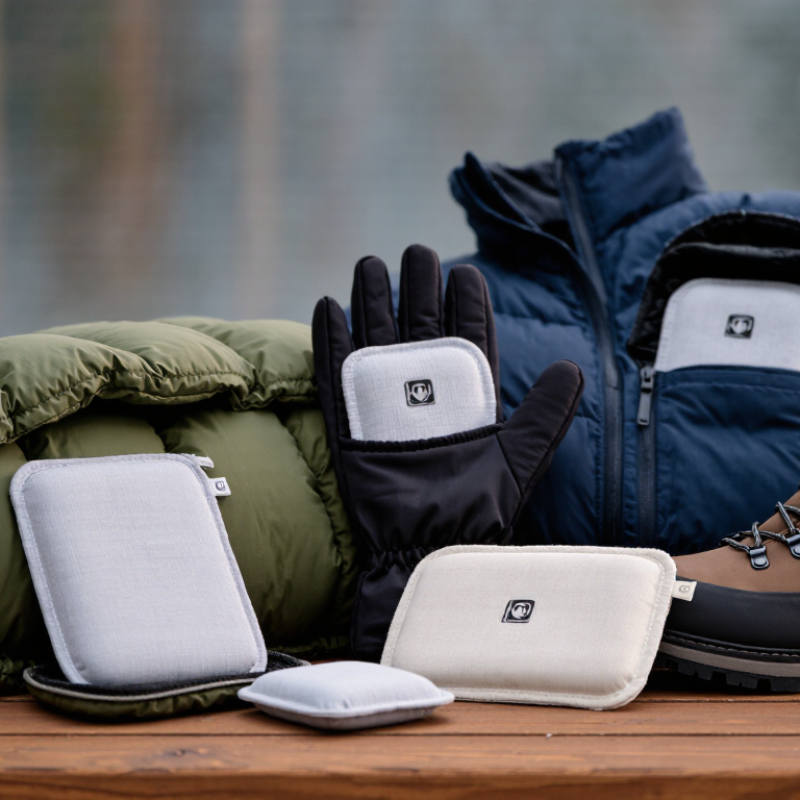
Warm Hands Hand Warmers are small heating products designed to make cold moments more manageable. They fit inside a coat pocket, glove, boot, or sleeping bag. Their value becomes obvious outdoors, where numb fingers can affect comfort and grip. The Outdoor Industry Association’s 2024 Outdoor Participation Trends Report recorded 175.8 million U.S. outdoor participants in 2023. That large user base helps explain continued interest in portable warmth.
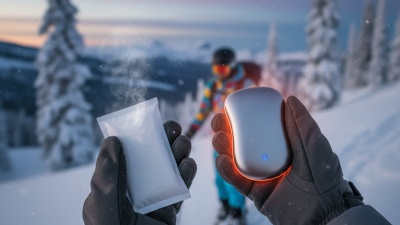
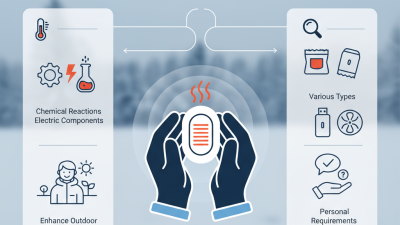
How do they work? Most disposable warmers contain iron powder, salt, activated carbon, water, and vermiculite. When air enters through the packet, iron slowly oxidizes and releases heat. The pouch feels cool at first. Then, within minutes, it may reach a comfortable warming temperature. Rechargeable models use electric heating elements powered by lithium-ion batteries. Their output can usually be adjusted, but performance depends on battery condition and surrounding temperature.
Grand View Research and other market analyses identify outdoor recreation, winter sports, and personal comfort as important demand factors. However, market figures differ because companies classify hand warmers differently. That detail deserves attention. A product advertised as “up to ten hours” may provide less warmth in freezing wind. Placement, airflow, clothing layers, and skin sensitivity all matter. The warmth is useful, not magical.
Reliable use also requires reading the manufacturer’s instructions. Direct, prolonged skin contact may cause low-temperature burns, especially during sleep or reduced sensation. Warm Hands Hand Warmers should support safe layering, not replace proper winter clothing. This guide examines their materials, heating process, practical performance, and safety considerations with a clear, evidence-based approach.
What Are Warm Hands Hand Warmers?
Warm Hands hand warmers are small heat sources designed to warm hands during cold weather, outdoor work, travel, or sports. They usually come in two forms: disposable warmers and reusable warmers. Disposable versions often contain iron powder, salt, water, and activated carbon. When the packet meets air, the iron slowly oxidizes and releases heat. Reusable versions commonly use a liquid solution that crystallizes after activation. They can be restored by heating the pack in water, although this process requires care.
The heat feels gentle, not like a hot water bottle. In practical use, a warmer works best inside a glove pocket or coat pocket. Airflow affects disposable models. Too little oxygen may reduce their warmth. Too much exposure can shorten their heating time. They are useful, but not perfect. Some warmers cool earlier than expected. Cold weather, damaged packaging, and poor circulation can change performance.
Tips: Check the packet before use. Do not use a swollen, leaking, or damaged warmer. Place it over clothing instead of directly against bare skin. Move it occasionally to spread the heat evenly. Follow the product instructions and avoid sleeping with an active warmer. Children and people with reduced heat sensitivity need extra supervision, because mild warmth can still cause skin injury over time.
How Do Warm Hands Hand Warmers Generate Heat?
What Is Warm Hands Hand Warmers and How Do They Work?
Warm hands hand warmers generate heat through a controlled chemical reaction. Most disposable warmers contain iron powder, salt, water, activated carbon, and a mineral such as vermiculite. When you open the package, oxygen enters through tiny air holes. The iron slowly reacts with oxygen and forms iron oxide, commonly called rust. This oxidation releases heat.
The powder mix controls the reaction’s speed. Salt helps the process begin, while carbon spreads heat and supports airflow. Vermiculite helps hold moisture and keeps the ingredients evenly distributed. In my experience, a warmer may feel cool at first, then become noticeably hot within several minutes. I used to think more air always meant more heat, but excessive airflow can shorten its useful life. Temperature also depends on clothing, body movement, and surrounding conditions.
Tips:
Shake the warmer gently only if its instructions allow it. Place it outside clothing, not directly against bare skin. Check the temperature regularly, especially during sleep or reduced sensation. Do not cut, puncture, microwave, or reuse a disposable warmer. If it feels uncomfortably hot, remove it immediately. Reusable warmers work differently and usually rely on crystallization, not iron oxidation. Their performance can decline after repeated use, which is easy to overlook.
How Long Do They Stay Warm and What Affects Performance?
Air-activated hand warmers produce heat through a controlled oxidation reaction. Their filling often contains iron powder, salt, activated carbon, water, and a porous material. When the packet meets air, oxygen reacts with the iron and releases heat. It is a small chemical process, but the warmth can feel surprisingly strong.
Most single-use warmers stay warm for six to twelve hours. The exact time depends on airflow, temperature, humidity, and packet quality. Cold conditions slow the reaction. Limited oxygen can also reduce heat. Keeping a warmer inside a tight pocket may extend its life, but it may feel less hot. More airflow usually increases heat at first, then shortens the total warming period.
Reusable warmers work differently. Many contain a liquid that crystallizes after activation, creating heat for roughly thirty minutes to several hours. Boiling the unit usually resets it, but instructions matter. In practical use, placing a warmer near the palm, inside a glove, often feels better than holding it tightly. Tight contact can block air from disposable types. Do not puncture, cut, or sleep with a warmer pressed against bare skin. Skin sensitivity varies, and a mild heat source can still cause burns. Performance claims are useful, but real conditions are messy. Temperature ratings rarely match every pocket, glove, or winter commute.
What Is Warm Hands Hand Warmers and How Do They Work? - How Long Do They Stay Warm and What Affects Performance?
| Hand Warmer Type |
How It Works |
Typical Warm-Up Time |
Typical Warm Duration |
Typical Surface Temperature |
Can It Be Reused? |
| Air-Activated Warmer |
Iron powder oxidizes when exposed to oxygen. Salt, water, activated carbon, and vermiculite help control the reaction and distribute heat. |
5–15 minutes |
4–10 hours, depending on the product and airflow |
Approximately 40–60°C (104–140°F) |
No; it is generally designed for single use |
| Reusable Crystallization Warmer |
A click disc triggers crystallization in a supersaturated salt solution, releasing stored heat. |
Almost immediate |
30 minutes–2 hours |
Approximately 45–55°C (113–131°F) |
Yes; it must usually be heated in hot water to reset the solution |
| Battery-Powered Warmer |
A rechargeable battery supplies electricity to internal heating elements, often with selectable heat settings. |
A few seconds–5 minutes |
Approximately 2–12 hours per charge, depending on heat setting and battery size |
Approximately 35–55°C (95–131°F), depending on the setting |
Yes; the battery must be recharged |
Factors That Affect Warmth and Performance
| Performance Factor |
Effect on Performance |
Practical Guidance |
| Ambient Temperature |
Cold surroundings increase heat loss and can make a warmer feel less effective. |
Use the warmer inside a pocket, glove, or hand-warmer pouch while allowing adequate airflow for air-activated types. |
| Oxygen Availability |
Air-activated warmers need oxygen. Too little airflow may slow heating or reduce the total heat output. |
Do not seal an activated warmer in an airtight container; follow its usage instructions. |
| Insulation and Contact |
Insulation helps retain heat, while direct contact transfers heat more quickly but may increase skin-temperature risk. |
Place the warmer over clothing or inside a thin layer rather than directly against bare skin for long periods. |
| Warmer Size and Ingredients |
Larger packets and different material ratios can provide more total heat or a longer release period. |
Compare both the stated duration and the intended use area; duration is not determined by size alone. |
| Movement and Handling |
Shaking or gently moving some air-activated warmers can improve oxygen distribution, while crushing or puncturing the packet can damage it. |
Handle according to the instructions and avoid cutting, tearing, or opening the packet. |
| Battery Charge and Heat Setting |
Higher settings consume more energy and usually shorten operating time. |
Charge the device fully and use the lowest comfortable setting to extend runtime. |
| Moisture |
Water or condensation can affect packaging, electrical components, or the controlled chemical reaction. |
Keep reusable and battery-powered warmers dry unless the product is specifically designed for moisture exposure. |
Note: Temperature and duration figures are typical ranges rather than guarantees. Actual performance varies with warmer design, ambient conditions, airflow, insulation, and usage. Check the product instructions and avoid prolonged direct skin contact to reduce the risk of burns.
How Should Warm Hands Hand Warmers Be Used Safely?
Warm hands hand warmers are small heat-producing packs designed for cold weather. Air-activated versions usually contain iron powder, salt, water, and porous materials. When exposed to oxygen, the iron slowly oxidizes and releases heat. Rechargeable models use an internal heating element and battery instead.
Safe use matters more than maximum warmth. Open a disposable warmer only when needed, and follow its instructions carefully. Place it over clothing, not directly against bare skin. Keep it loose enough for air to circulate. Do not cut, puncture, microwave, crush, or reseal a single-use pack. It may feel comfortable at first, then become surprisingly hot.
Check your skin often.
Avoid using warmers while sleeping, especially inside bedding or tight clothing. Children, older adults, and people with reduced circulation may not notice excessive heat quickly. Anyone with diabetes or reduced skin sensitivity should ask a healthcare professional before use. Stop immediately if you notice burning, redness, pain, numbness, or unusual discomfort. Rechargeable warmers need extra care: inspect the cable and casing, avoid charging on soft surfaces, and stop using the device if it swells, leaks, or becomes damaged. Never place a warmer near flammable materials. Let disposable packs cool fully before disposal, and keep unused packs dry. The easy mistake is assuming warmer means safer; regular checks are still necessary.
What Are Hand Warmers and How Do They Work?
Hand warmers produce heat through different processes. Disposable warmers use the exothermic oxidation of iron powder when exposed to oxygen. Reusable warmers commonly crystallize a sodium acetate solution, while rechargeable warmers use an electric heating element.
Typical Operating Characteristics
The chart shows approximate average operating duration and surface temperature for common hand-warmer types. Actual performance varies by product design, airflow, insulation, and ambient temperature.
How Should Hand Warmers Be Used Safely?
- Follow the manufacturer’s instructions and keep the warmer from prolonged direct contact with bare skin.
- Place disposable warmers inside a glove, pocket, or fabric pouch rather than under tight clothing.
- Do not use a warmer while sleeping, and check the skin regularly for redness, numbness, or discomfort.
- Do not cut open, puncture, microwave, or burn disposable warmers.
- Allow reusable warmers to cool before reactivating them, and stop using electric warmers if they become swollen, damaged, or unusually hot.
- People with reduced circulation, diabetes, or reduced sensitivity should ask a healthcare professional before using heated products.