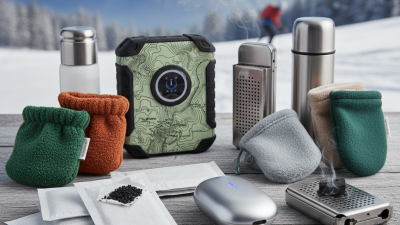
Buying a Hand Warmer for international markets requires more than comparing advertised heat hours. Buyers must examine temperature control, battery capacity, materials, packaging, and after-sales support. A device that performs well during a Canadian winter may feel excessive in Singapore. Climate changes the decision.
Thermal-product consultant Alex Chen says, “The best Hand Warmer fits the user’s routine, not just the product brochure.” This practical view matters. A commuter may need steady warmth for six hours. A warehouse worker may prefer a rugged, water-resistant shell. Travelers may value compact size and charging flexibility. Product testing should include cold starts, repeated charging, surface temperature, and actual runtime. Numbers alone can mislead.
Small details matter.
Global buyers should check plug compatibility, battery transport requirements, language-specific manuals, warranty coverage, and supplier response times. They should also request independent test reports and clear material specifications. Avoid vague claims such as “all-day heat” without test conditions. Some buyers overlook storage temperature, replacement parts, or seasonal demand. I have seen attractive samples fail after repeated drops or lose capacity in cold storage. That is not a minor issue. It affects returns, reputation, and customer trust.
This guide presents ten practical Hand Warmer buying tips for distributors, retailers, and corporate purchasers. It considers comfort, safety, durability, sourcing reliability, and real-world value. The recommendations are not perfect for every market. Buyers should challenge assumptions, test samples locally, and document acceptance standards before placing large orders. A careful decision starts with evidence, not impressive packaging.
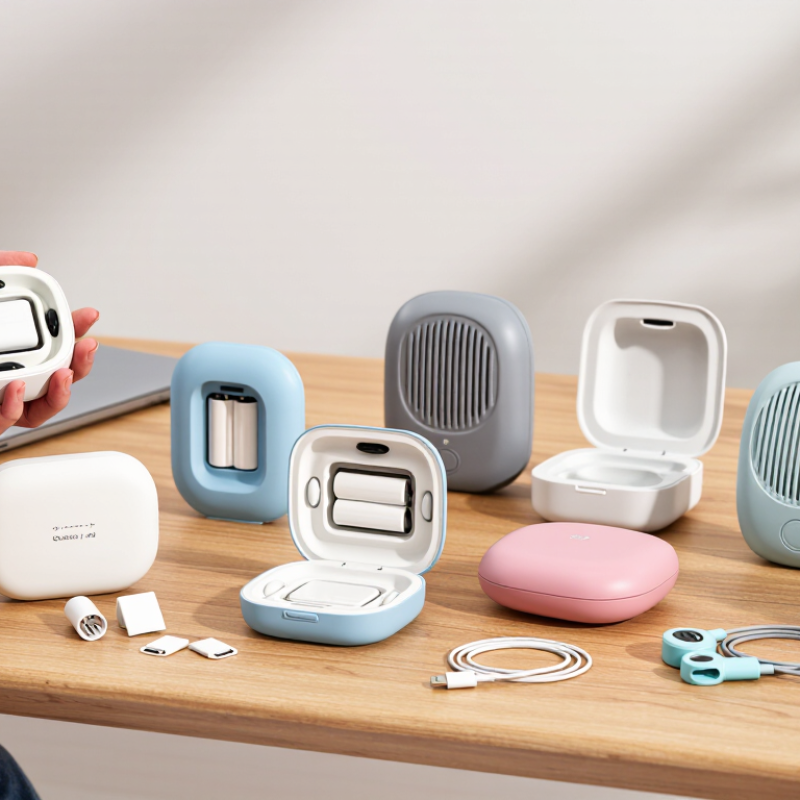
Hand warmers differ in heat source, duration, and user control. Disposable air-activated warmers contain iron powder that produces steady heat after opening. They are lightweight and useful for travel, outdoor work, and emergency kits. However, their performance depends on airflow and storage conditions. A sealed packet may feel slower in cold weather.
Rechargeable electric warmers use battery-powered heating elements. They usually offer adjustable temperatures and can warm hands quickly. Their core functions may include dual-sided heating, battery indicators, and charging protection. Reusable crystallization warmers activate through a small metal disc and harden as they release heat. They are compact, but users must reset them in hot water before another use. That extra step is easy to forget. It should be checked during product testing.
Tips: Ask for heating-time data at different temperatures, not only room-temperature results. Check the surface temperature with reliable testing equipment. Confirm battery capacity, charging requirements, packaging language, and transport documents. For disposable models, inspect the seal and activation instructions. For electric models, review overheat protection and charging-cycle performance. A warmer that feels hot for five minutes is not necessarily dependable. Try samples in gloves, pockets, and open air. Small differences become obvious there.
10 Hand Warmer Buying Tips for Global Buyers
Comparing Heat Sources, Duration, and Temperature Performance
For global buyers, the heat source often determines convenience, cost, and reliability. Air-activated warmers are lightweight and begin heating after opening. They usually provide steady warmth for several hours. Rechargeable electric models offer adjustable settings and repeat use. However, battery performance can weaken in freezing weather. Fuel-based designs may deliver strong heat, but they require careful handling and compatible fuel supplies.
Check the real heating duration, not only the maximum claim. A warmer rated for twelve hours may provide less time at its highest setting. Test results can change with airflow, clothing layers, and outdoor temperature. A pocket model should remain warm beside your hand, not only on a desk. Some products heat unevenly, leaving the edges cool. That detail is easy to miss.
Temperature control matters for comfort and safety. Many users prefer moderate warmth near 40–50°C rather than extreme heat. Higher temperatures can feel impressive but may irritate skin during long contact. Look for insulated covers, clear instructions, and automatic shutoff features. Independent testing is useful when available. Still, published figures are not perfect. I would compare several readings instead of trusting one number. Also check charging times, storage conditions, replacement parts, and regional power compatibility before ordering.
| No. | Buying Tip | Heat Source | Activation | Typical Duration | Typical Surface Temperature | Reusability | Best Use Case | Key Buyer Check |
|---|---|---|---|---|---|---|---|---|
| 1 | Choose the heat source according to the intended use. | Air-activated iron powder | Open package; exposed to air | 6–12 hours | 40–60°C (104–140°F) |
Single use | Travel, outdoor events, emergency kits | Confirm oxygen exposure requirements, shelf life, and disposal guidance. |
| 2 | Consider rechargeable electric models for frequent use. | Lithium-ion battery and electric heating element | Power button | 3–8 hours | 35–55°C (95–131°F) |
Approximately 300–500 cycles | Daily commuting, sports, office use | Check battery capacity, charging time, output stability, and replacement policy. |
| 3 | Match the heat duration with the activity length. | Sodium acetate crystallization | Bend or click the metal disc | 30–90 minutes | 45–55°C (113–131°F) |
Approximately 50–100 cycles | Short walks, pocket use, brief outdoor activities | Verify the reset process, usually boiling in water, and the required cooling time. |
| 4 | Compare temperature levels rather than maximum heat alone. | Electric heating element | Button or digital control | 2–6 hours, depending on setting | Usually adjustable from 35–60°C (95–140°F) |
Approximately 300–500 cycles | Users who need adjustable comfort | Look for multiple heat settings, over-temperature protection, and even heat distribution. |
| 5 | Check performance in the expected ambient temperature. | Air-activated chemical reaction | Open package and shake gently | Usually 6–10 hours in cold weather | Approximately 40–55°C (104–131°F) |
Single use | Winter travel and low-temperature environments | Ask for test data at the target ambient temperature; restricted airflow can reduce output. |
| 6 | Prioritize safety features for direct-contact use. | Rechargeable battery heating system | Button or automatic start | 3–8 hours | Preferably limited below 55–60°C (131–140°F) |
Approximately 300–500 cycles | Pocket carrying and hand contact | Check short-circuit, overcharge, over-discharge, and overheating protection. |
| 7 | Evaluate heat consistency across the surface. | Carbon or metal electric heating film | Button or temperature controller | 3–6 hours | 35–55°C (95–131°F) |
Approximately 300–500 cycles | Gloves, heated pockets, and hand therapy accessories | Request thermal imaging or temperature-mapping data to identify hot spots. |
| 8 | Review charging and plug compatibility for international markets. | Rechargeable lithium-ion battery | USB charging | 3–8 hours per charge | 35–55°C (95–131°F) |
Approximately 300–500 cycles | International e-commerce and travel retail | Confirm input voltage, connector type, charging cable, and required transport documentation. |
| 9 | Check moisture resistance for outdoor applications. | Sealed electric heating element | Button or automatic start | 2–8 hours | 35–55°C (95–131°F) |
Approximately 300–500 cycles | Hiking, skiing, fishing, and outdoor work | Verify the tested IP rating, sealing quality, and whether the product is splash-resistant or fully waterproof. |
| 10 | Compare total cost, packaging, and regulatory requirements. | Chemical disposable or rechargeable electric system | Varies by design | 30 minutes–12 hours | Approximately 35–60°C (95–140°F) |
Single use or 300–500 cycles | Wholesale, private-label, and cross-border distribution | Calculate cost per use and confirm labeling, safety testing, battery shipping rules, and recycling instructions. |
Note: Performance figures are typical operating ranges for common hand-warmer technologies. Actual duration and temperature may vary with ambient temperature, airflow, insulation, battery condition, and product design.
Safety documents should be checked before price negotiations. For rechargeable models, request battery test reports, including transport and cell-safety evaluations. Applicable requirements differ by destination, so confirm current rules with local compliance specialists. A printed certification mark is not enough. Ask for the certificate number, testing laboratory, issue date, and matching model number. Some suppliers provide documents for a similar product. That mistake is expensive.
Materials affect comfort, durability, and safety. Inspect the outer shell for smooth edges, stable seams, and heat-resistant plastic or fabric. The heating surface should distribute warmth evenly, without sharp hot spots. For disposable units, examine the packet seal and ingredient disclosure. For electric models, check cable insulation, charging protection, and battery housing. Touch the sample after extended operation. A warm surface is useful; an uncomfortable one is a warning.
Reliability requires more than one successful sample. Request temperature records, repeated charging results, and failure-rate data from recent production batches. Ask how the factory handles overheating, swelling, leakage, and damaged returns. Test samples in cold, humid, and everyday carrying conditions. They may perform differently. Packaging also matters because crushed cartons can damage internal components before delivery. I have learned that attractive specifications can hide weak quality control. Leave room for independent inspections, random sampling, and honest revision when evidence does not support the original purchase decision.
10 Hand Warmer Buying Tips for Global Buyers
When evaluating hand warmers, inspect packaging before discussing volume or price. Packaging must protect the product from moisture, crushing, and temperature changes during international transport. Check seal quality, carton strength, inner protection, and storage instructions. Keep it legible. Safety information should match the product type, including disposable or rechargeable designs. Labels may need local languages, product details, warnings, importer information, and disposal guidance. Requirements differ by destination, so verify them with qualified local specialists.
Branding should support trust without hiding essential information. Use clear color contrast, readable fonts, and honest heating-time claims. Avoid exaggerated promises that buyers cannot verify. A QR code can provide instructions, test documents, and support contacts. However, it should not replace required printed information. Test it early. Some markets may restrict certain packaging materials or require recycling marks. Rechargeable products may also need transport documentation and battery-related testing.
Ask suppliers for recent quality records, material declarations, packaging specifications, and shipment samples. Review production consistency, not only attractive prototypes. A practical inspection should check odor, leakage, activation time, surface temperature, and instruction accuracy. Small defects become expensive across borders. No checklist is perfect. I have found that buyers often focus on branding while overlooking translation errors or unclear storage limits. Independent testing can reduce that risk, although it adds time and cost. Build those costs into the purchasing plan before approving the final artwork.
Global buyers should review packaging, branding, safety, compliance, and logistics before approving a hand warmer product. The chart shows the number of practical checkpoints in each evaluation area.
How to use this chart: Packaging checks include material identification, dimensions, sealing, warnings, and recycling information. Branding checks cover artwork, claims, language, and traceability. Compliance requires the most attention because obligations can differ by destination, product type, ingredients, and whether the warmer contains electronic or battery-powered components.
10 Hand Warmer Buying Tips for Global Buyers
A low unit price can hide expensive details. Ask for a complete landed-cost estimate, including packaging, freight, customs duties, and payment fees. For reusable models, confirm battery capacity, charging accessories, and warranty coverage. For disposable products, check shelf life and carton quantities. I once underestimated inner-box space, which increased freight costs more than expected. Currency changes can also affect your final margin.
Tip: Request a sample invoice before placing a large order. Compare the product price with freight, insurance, duties, and local delivery. Ask whether tooling, artwork, or inspection charges apply. Small costs often multiply across several cartons.
Shipping conditions require careful review. Battery-powered warmers may need specific transport documents and protective packaging. Confirm the correct product classification with your carrier and customs adviser. Check carton strength, moisture protection, and storage temperature limits. Request photos of packed cartons, not only product images. Delivery estimates are useful, but port delays can still disrupt seasonal sales.
Supplier support matters after payment. A reliable supplier should provide clear specifications, test records, packing details, and realistic production dates. Ask how damaged units, missing accessories, or inconsistent heating performance will be handled. Test communication during sampling; slow replies may become a larger problem during production. Written agreements help, though they cannot replace regular inspections. Even experienced buyers can overlook one detail.