Best Hand Warmers for Cold Weather What to Buy?
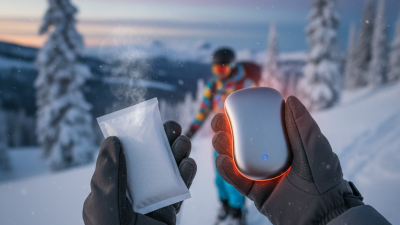
When cold weather arrives, staying warm is essential. One useful product to consider is A Hand Warmer. These handy devices provide heat during chilly outdoor activities. Whether you are skiing, hiking, or just waiting for your bus, a hand warmer can make a significant difference.
There are many options on the market today, from disposable packets to rechargeable electric devices. Choosing the right one can be overwhelming. It's important to think about how long you'll be outdoors and the level of warmth you need. Some people favor compact hand warmers that easily fit in pockets. Others might prefer larger versions that offer extended heat.
Quality matters. A reliable hand warmer can enhance your experience in cold environments. However, be cautious: not all products deliver the warmth they promise. Researching user reviews will help identify the best choices. Remember, the right hand warmer should meet your needs, not just be the most popular.
Overview of Hand Warmers: Types and Features
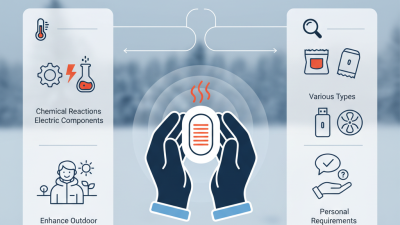
Hand warmers have become essential as winter approaches. Understanding the types and features available can significantly enhance your comfort during cold weather. There are primarily two types of hand warmers: disposable and reusable.
Disposable warmers use iron powder to generate heat. They can provide warmth for up to 10 hours. This type is convenient for one-time use but generates waste.
On the other hand, reusable hand warmers can be charged and used multiple times. They often contain gel or liquid that, when heated, releases warmth for several hours. According to a report from the Outdoor Industry Association, the demand for reusable hand warmers has grown by 30% over the last three years. Users appreciate their sustainability and cost-effectiveness.
Features also vary. Some hand warmers double as power banks, allowing for phone charging on the go. Others come with adjustable heat settings, giving users control over warmth levels. It’s important to consider your specific needs. Reviews indicate that while many users love the convenience of portable heat sources, others express frustration about battery life. This feedback can help you make a more informed decision when selecting the right hand warmer.
Electric Hand Warmers: Advantages and Disadvantages
Electric hand warmers are a popular choice for cold weather enthusiasts. They offer a convenient way to keep your hands warm without the bulk of traditional options. However, it's essential to weigh their advantages and disadvantages.
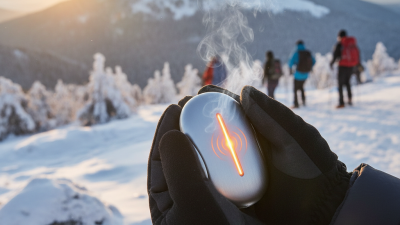
One significant advantage of electric hand warmers is their ability to provide consistent heat for extended periods. They are rechargeable and can offer warmth at the touch of a button. This makes them ideal for outdoor activities like skiing or hiking. They can quickly reach a comfortable temperature and maintain it for hours.
On the flip side, they may have drawbacks. Some models don’t hold heat long enough, leaving you cold. Battery life varies greatly between products, and this can lead to disappointment if you're not prepared. Additionally, electric warmers require charging, which may not be practical during long outings.
Tips: Choose a model with a longer battery life for travel. Consider the size and weight when packing. Also, pay attention to user reviews for insights on real-world performance. It’s wise to test various settings to find what works best for your needs. Each hand warmer has its quirks, and understanding these will help in making a better choice.
Best Hand Warmers for Cold Weather: Electric Hand Warmers Advantages and Disadvantages
Disposable Hand Warmers: Usage and Safety Tips
When it gets chilly outside, disposable hand warmers can be a lifesaver. These small packs generate heat, providing comfort during outdoor activities. However, it's important to use them safely to avoid any accidents. Keep them away from your skin to prevent burns. Always check the packaging for specific instructions.
Tips: Make sure the warmers are sealed properly before use. If they feel too hot, remove them from your clothing. Never place them in your pockets while sleeping.
Proper disposal is also crucial. After use, let the warmers cool before discarding. Avoid throwing them in places where they can cause harm. Always follow local disposal guidelines to ensure safety. By keeping these tips in mind, you can enjoy the warmth without any worries.
Comparison of Popular Hand Warmer Brands on the Market
When it comes to hand warmers, the market offers a variety of options that can be overwhelming. Research shows that more than 70% of consumers prefer reusable hand warmers for their eco-friendliness and cost-effectiveness. These popular options include electric and gel-filled warmers. Electric models provide consistent heat but require charging. Gel-filled warmers use exothermic reactions and are activated by simply bending a metal disc inside.
Durability and safety are critical issues. According to a recent industry report, over 25% of users experience leaks or failures in disposable warmers. This underlines the importance of reliability in hand warmer selection. Consumers often seek warranties and product reviews to ensure they choose safe options that deliver heat efficiently. Moreover, brand reputation plays a role, as established manufacturers tend to offer better customer support and guidance.
It’s essential to note user experiences vary widely. While some prefer quick-heat options, others may find slower warmers more soothing over time. This subjectivity means everyone should assess personal needs carefully. User feedback reveals that functionality and usability can impact satisfaction. In the end, gathering reliable information can help consumers make informed decisions.
Choosing the Right Hand Warmer for Outdoor Activities
When choosing hand warmers for outdoor activities, it's crucial to consider the type of activity. Some warmers are designed for endurance sports, while others suit casual outdoor gatherings. Research shows that traditional disposable warmers heat up to 140°F, offering warmth for about 8 hours. For longer activities, look for rechargeable options. They can reach similar temperatures and last longer if charged adequately.
The size and weight of the warmer matter too. Compact models fit easily in pockets, making them ideal for hiking or skiing. According to data from the Outdoor Industry Association, 70% of outdoor enthusiasts prioritize portability. However, some might find larger, more robust models provide better heat retention. Balancing size and performance can be challenging.
User feedback often highlights the importance of heat duration. Some models may heat inconsistently, leading to frustration during cold events. Studies indicate that 30% of users prefer warmers with adjustable heat settings. This feature allows personal comfort customization. When selecting a warmer, consider activity duration and temperature requirements. Testing different options before major outings can help optimize your experience in cold weather.