What Is a Detox Foot Patch and How Does It Work?
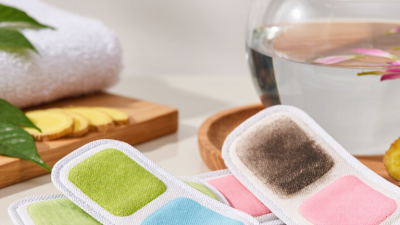
A Detox Foot Patch is usually a fabric pad placed on the soles before sleep. By morning, it may look brown or black. That visible change can seem persuasive, but appearance alone cannot show that toxins left the body. Moisture and ingredients in a patch can also change its color.
The evidence deserves a closer look. In 2009, the U.S. Federal Trade Commission brought action against marketers of Kinoki foot pads over allegedly unsupported health claims. The National Center for Complementary and Integrative Health also notes that compelling evidence is lacking for detox approaches that claim to remove toxins. These findings do not test every patch or ingredient. They do, however, show why product claims should be checked against independent research.
No substitute for evidence.
Dr. Stephen Barrett, a physician and consumer-health writer, has summarized the issue this way: “There is no scientific evidence that detox foot pads remove toxins from the body.” His assessment is a useful starting point, not a verdict on every possible use. A patch may feel warm, absorb sweat, or create a relaxing bedtime routine. Those experiences are real, but they do not establish detoxification. This guide explains what a Detox Foot Patch is, how manufacturers say it works, and what evidence can—and cannot—support. Check the ingredients, look for well-designed human studies, and ask a healthcare professional about persistent symptoms. A darkened pad is easy to see. What caused the change is less obvious.
Definition and Main Components of a Detox Foot Patch
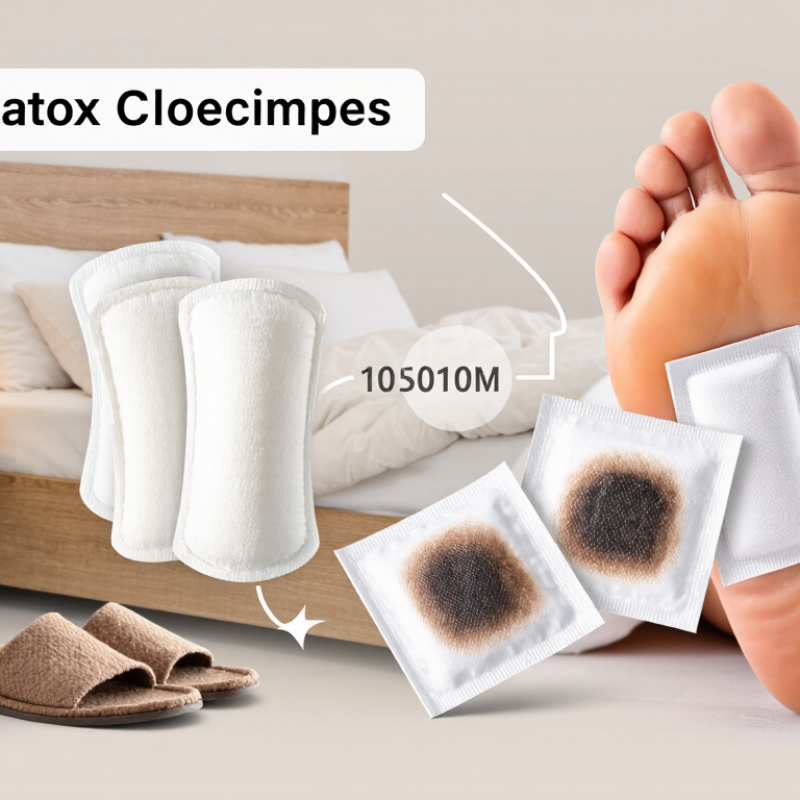
A detox foot patch is an adhesive pad worn on the sole, usually overnight. Its backing holds an absorbent pouch against the skin. Commonly listed ingredients include wood or bamboo vinegar, plant powders, minerals, and starch-based binders; formulas vary. Manufacturers often say the pad draws impurities through the feet. That explanation is not established by clinical evidence. A pad can darken as it absorbs moisture and reacts with its ingredients, so color alone does not show that toxins have left the body.
Evidence is limited. A 2012 pilot study in the Journal of Environmental and Public Health tested detox footbaths—not patches—in six healthy adults. Researchers found no significant changes in toxic elements in participants’ blood, urine, or hair. This small study cannot settle every question about patches, but it does not support broad detox claims. The U.S. National Center for Complementary and Integrative Health likewise reports little compelling evidence for detox approaches. A cautious reading matters here.
Tips: Check the ingredient list, stop use if skin becomes irritated, and avoid applying a patch to broken skin. Treat dramatic color changes as a material reaction, not a medical test. I’d also be wary of claims that promise measurable toxin removal without published human trials.
How a Detox Foot Patch Is Applied
What Is a Detox Foot Patch and How Does It Work?
How a Detox Foot Patch Is Applied
Start with clean, completely dry feet. Peel away the liner, place the adhesive side against the sole, and press the edges down gently. Many products are worn overnight, but follow the package’s stated wear time rather than extending it. Remove the patch slowly in the morning, then wash any residue from your skin. The darkened patch can look dramatic. It is not reliable evidence that toxins have left your body; moisture and patch ingredients can cause discoloration.
The National Center for Complementary and Integrative Health’s evidence review says there is no compelling research that detox cleanses remove toxins. That review does not establish foot patches as an effective detox method, either. Treat them as a personal-care product, not a medical treatment. Avoid applying one to cuts, rashes, or irritated skin, and stop if burning or itching develops. If you have diabetes, reduced foot sensation, or persistent foot problems, ask a clinician before use.
Tips: Test a small area first, especially if your skin is sensitive. Keep the patch away from damp skin, and check your feet after removal. A simple detail is easy to miss: adhesive can irritate skin even when the patch feels comfortable overnight.
How Manufacturers Claim It Works
A detox foot patch is usually an adhesive pad placed on the sole overnight. Manufacturers often say it draws unwanted substances from the body through the feet. The pad may contain plant powders, minerals, or vinegar-derived ingredients. After several hours, it can look dark and damp.
How Manufacturers Claim It Works
Manufacturers commonly describe the patch as absorbing toxins through the skin. Some suggest that warmth and moisture help ingredients interact with the body. However, a color change alone does not show that toxins were removed. Sweat and moisture can react with ingredients in the pad, causing visible darkening. The body already processes waste through organs such as the liver and kidneys. Reliable clinical evidence has not established that foot patches detoxify the body. That distinction matters. A patch may feel soothing, but comfort is not proof of detoxification. I admit the overnight color change can look persuasive; it still needs a careful explanation.
Tips: Read the ingredient list, and stop using the patch if your skin becomes irritated. Treat dramatic detox claims cautiously. For health concerns, ask a qualified health professional rather than relying on a patch.
What Evidence Says About Detoxification Claims
Detox foot patches are usually worn on the soles overnight. By morning, many look brown or damp. That change can seem convincing, but it does not show that toxins have left the body. Sweat, moisture, and ingredients in the patch can alter its color. Appearance alone is not a reliable test.
Evidence for the detoxification claims is weak. There is no strong clinical evidence that these patches draw harmful substances through the skin or improve the body’s ability to remove them. The liver and kidneys handle much of that work through normal biological processes. A darker patch is not a measurement of toxin levels. That distinction matters.
Some product claims are difficult to test, and research on specific patches remains limited. That uncertainty should not be mistaken for proof that they work. A useful test would measure defined substances before and after use, with independent controls; color changes do not do this. It is easy to overread a visible result, especially when the promised benefit feels simple. I would be cautious about treating temporary warmth or relaxation as evidence of detoxification. Persistent symptoms deserve medical advice, not a patch-based explanation.