What Are the Top Patch Detox Foot Suppliers Worldwide?
The global market for Patch Detox Foot products is crowded, yet supplier quality varies sharply. Some companies provide detailed ingredient lists, batch records, factory photographs, and independent laboratory reports. Others offer attractive packaging but little evidence behind their claims. This difference matters to importers, retailers, and health-conscious buyers.
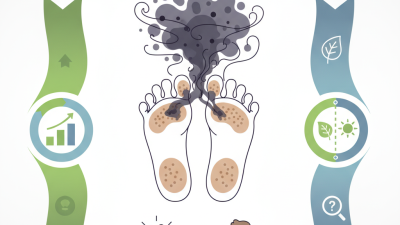
Dr. Edzard Ernst, a leading researcher in evidence-based complementary medicine, stated, “There is no evidence that detox diets rid the body of toxins.” His warning deserves attention when evaluating Patch Detox Foot suppliers. A sticky, darkened patch does not automatically prove that toxins have left the body. That visible residue may result from moisture, heat, or the patch’s own ingredients. The explanation is less exciting. It may also be more honest.
Reliable suppliers should disclose adhesive materials, botanical composition, allergen information, shelf life, and manufacturing standards. Buyers should request current certificates, third-party testing, and traceable batch numbers. Certifications alone are not enough. Their scope and authenticity require checking.
Top suppliers worldwide are not necessarily the loudest advertisers. They are the companies that communicate limitations clearly and avoid unsupported medical promises. Manufacturing experience, responsive technical support, and consistent product samples also reveal practical competence. Still, supplier rankings can remain imperfect because public data is often incomplete. A polished website proves little.
This article compares leading Patch Detox Foot suppliers through documentation, quality controls, transparency, production capacity, and commercial reliability. The goal is not to promote a miracle. It is to support careful decisions.
Definition and Market Role of Patch Detox Foot Suppliers
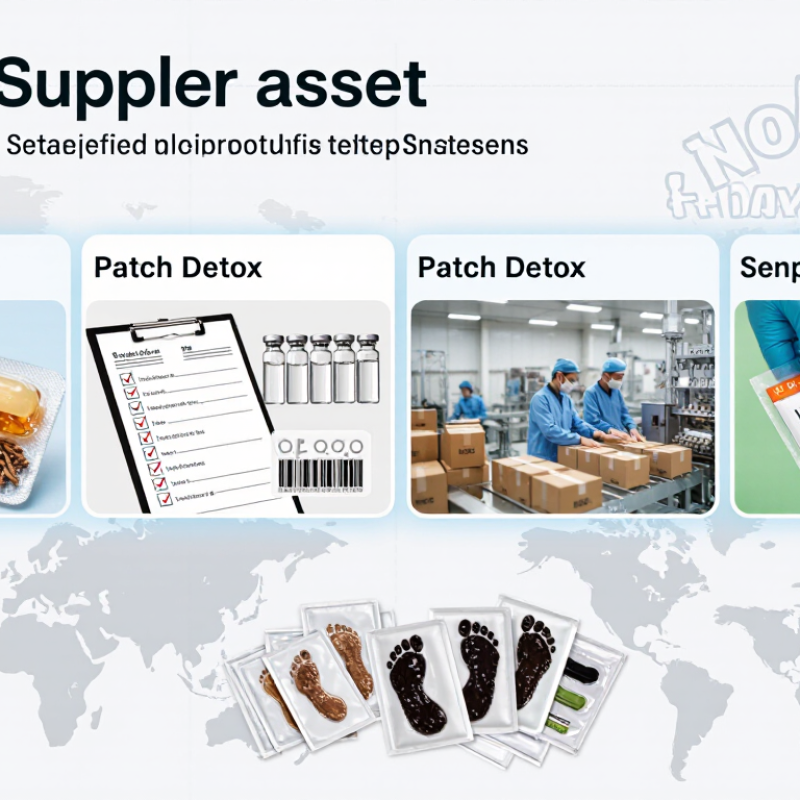
Foot detox patch suppliers are companies that develop, manufacture, or distribute adhesive foot patches. These products usually contain plant powders, mineral ingredients, or absorbent materials. Their market role extends beyond simple product delivery. Suppliers coordinate material sourcing, patch assembly, packaging, quality checks, and shipping. Reliable suppliers provide ingredient specifications and batch records. They also explain storage conditions clearly.
In practical use, a supplier influences how consistent each patch feels and performs. An experienced manufacturer tests adhesive strength, moisture resistance, skin contact, and packaging stability. These details matter when a patch stays overnight on warm, active feet. Clear labeling is equally important.
Suppliers should avoid promising to remove toxins from the body. Current evidence does not establish that ordinary foot patches can detoxify human organs. The dark residue often seen after use may result from moisture, heat, or ingredient reactions.
The strongest suppliers treat compliance as an ongoing process. They check restricted substances, maintain traceable production records, and respond to quality complaints. Independent laboratory testing can support material safety, but it does not prove medical effectiveness. Buyers should examine test dates, sample methods, and whether reports match the actual product. Supplier websites may sound authoritative, yet polished language is not evidence. A patch can feel soothing without providing detoxification. That distinction deserves more attention. Some market descriptions remain vague, and buyers may accept them too quickly. Better suppliers leave room for uncertainty and encourage realistic consumer expectations.
Key Criteria for Comparing Global Foot Detox Patch Suppliers
Comparing global foot detox patch suppliers requires more than checking unit prices. Start with manufacturing evidence, not polished product photos. Ask for facility certifications, batch records, and recent third-party laboratory reports. The reports should identify materials, contaminants, allergens, and test methods clearly. Vague claims deserve careful questioning.
Examine the patch itself under practical conditions. Check adhesive performance, skin-contact materials, odor, moisture resistance, and package sealing. Request samples from different production batches. A reliable supplier should explain ingredient sourcing and provide traceability from factory to carton. Lead times, minimum order quantities, and storage requirements also affect the real purchase cost. Small details matter.
Health claims need extra scrutiny. Current scientific evidence does not prove that foot patches remove toxins from the body. A responsible supplier should avoid guaranteed detox, weight-loss, or disease-treatment promises. Review labels and advertising against the destination market’s consumer-protection rules. Documentation may differ between regions, so local regulatory advice is valuable. One common mistake is trusting a certificate without checking its issuing body or expiration date. Another is choosing the cheapest offer before calculating rejected units, delayed shipments, and customer complaints. The comparison is rarely perfect. Suppliers may provide excellent paperwork but inconsistent samples. Others may communicate well yet lack strong testing records. Keep a written scorecard, record every response, and revisit weak evidence before placing a larger order.
Leading Supplier Regions and Their Product Specialties
East Asia remains the largest manufacturing base for patch-style foot products. Suppliers there commonly specialize in high-volume nonwoven patches, adhesive films, sachet filling, and private-label packaging. A 2024 Grand View Research report estimated the global foot-care products market at more than US$3 billion, with Asia-Pacific among the fastest-growing regions. This supports strong regional capacity, but market size does not prove product effectiveness.
Southeast Asian suppliers often focus on botanical formulas, using ingredients such as bamboo vinegar, ginger, and herbal powders. Their strength is flexible customization and smaller production runs. North American suppliers usually emphasize packaging control, ingredient documentation, and third-party laboratory testing. European manufacturers tend to prioritize traceability, allergen statements, and cosmetic good manufacturing practices under ISO 22716. These regional specialties can guide buyers better than rankings alone.
The evidence is uneven. Clinical literature indexed through PubMed has not established that foot patches remove toxins through the skin. That distinction matters. A supplier with clear batch records, stability data, adhesive testing, and accurate claims deserves greater attention. Buyers should also request contaminant screening and review the final label for regional compliance. Some supplier directories report impressive factory numbers, yet independent verification is often limited. The category still needs stronger clinical research and more transparent reporting.
Quality, Safety, and Manufacturing Standards to Examine
Choosing a global patch detox foot supplier requires more than attractive packaging.
Quality starts with a complete material specification. Request details for the fabric, adhesive, pouch, and botanical ingredients. Each lot should carry a certificate of analysis covering identity, microbial limits, heavy metals, and moisture. Short documents are not always better. Ask whether an independent laboratory verifies the results.
Safety depends on both ingredients and skin contact.
Suppliers should conduct irritation and sensitization assessments, especially for users with diabetes, eczema, or fragile skin. Clear warnings matter. Labels should explain intended use, storage, patch duration, and disposal. Be cautious when a factory promises to remove specific toxins without clinical evidence. That claim may sound persuasive, but it weakens supplier credibility. Evidence should match the wording.
Manufacturing standards reveal how consistently a supplier can deliver.
Look for documented GMP procedures, controlled production rooms, validated cleaning, and calibrated equipment. ISO 9001 can support process control, while ISO 13485 may be relevant when the product falls within a medical-device framework. Verify which standard applies in the target market. Audits should examine batch records, worker training, pest control, and recall readiness. Traceability must reach the raw-material lot. Supplier selection is rarely perfect. Some factories provide polished certificates but limited transparency. A live video audit or independent inspection can expose that gap. Keep questioning.
How to Select a Reliable Worldwide Supplier for Your Needs
What Are the Top Patch Detox Foot Suppliers Worldwide?
Selecting a reliable worldwide supplier requires more than comparing prices. A polished website can still hide weak quality control. Request product samples before placing a large order. Check the patch’s adhesive, smell, texture, packaging, and overnight comfort. Ask for a complete ingredient list and recent laboratory test reports. These documents should match the actual product batch.
A dependable supplier explains production details clearly. Look for documented quality systems, traceable raw materials, stable lead times, and responsive communication. Independent testing can help verify contaminants, moisture levels, and material safety. Be cautious with claims that foot patches remove toxins or treat health conditions. Scientific support for these claims is limited, so responsible suppliers should use careful, non-medical wording. I once considered delivery speed too heavily; that was a mistake. Consistency matters more than an impressive first quote.
Tips: Compare at least three suppliers. Ask about minimum order quantities, private labeling, packaging changes, and replacement policies. Confirm export documents and destination-market requirements before payment. Test several batches, not only one sample. Keep written records of specifications, approvals, and complaints. A supplier that welcomes reasonable questions is usually safer to evaluate. Still, no supplier is perfect. Review performance regularly.