DOWNLOAD CATALOG
Leave Your Message

What Is the Best Heating Pad for Back Pain?

Back pain can make ordinary moments feel surprisingly difficult: sitting through a meeting, getting out of bed, or bending to tie a shoe. Gentle warmth may ease muscle tightness and offer temporary comfort, but a heating pad does not treat every cause of pain. No single pad suits everyone.

When comparing options for Heat Pads Back Pain, it helps to look beyond maximum temperature. This guide considers coverage, adjustable heat settings, timer and auto-shutoff features, washable covers, and ease of use. A flexible wrap may stay in place while you move around the house, while a larger pad can cover more of your lower back during rest. Small details matter. A stiff cord or uneven warmth can make a promising product less comfortable in daily use.

Safe use matters as much as comfort. Follow the manufacturer’s instructions, use a protective layer when advised, and avoid falling asleep with a pad unless it is specifically designed for that purpose. People with reduced skin sensation, circulation problems, or certain medical conditions should ask a healthcare professional before using heat. If pain is severe, follows an injury, or comes with concerning symptoms, seek medical advice rather than relying on warmth alone. The best choice is often the one you can use comfortably and safely, though that may take a little trial and reflection.
What Is the Best Heating Pad for Back Pain?

How Heat Therapy Can Help Relieve Back Pain

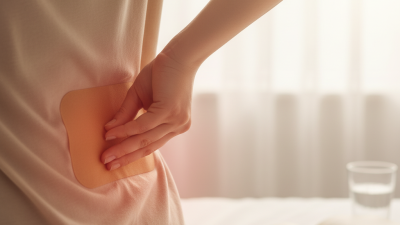
Applying gentle warmth to the lower back may ease muscle tightness and make ordinary movement more comfortable. Heat encourages blood flow near the skin and can help tense muscles relax, though it does not fix every cause of back pain. Relief can be modest. Sometimes, that still helps.

A heating pad can feel soothing after sitting at a desk or carrying groceries, especially when the back feels stiff rather than newly swollen or injured. Set it to low or medium heat, place a thin layer of fabric between the pad and your skin, and try 15 to 20 minutes. Check your skin regularly. Stop if it feels too hot, painful, or numb, and do not fall asleep with the pad on. People with reduced skin sensation or circulation should ask a healthcare professional before using heat. Heat may not suit every person or situation; pay attention to how your body responds. If pain follows a serious injury, persists, worsens, or comes with weakness, numbness, fever, or trouble controlling bladder or bowel function, seek medical care promptly.
Types of Heating Pads and Their Features

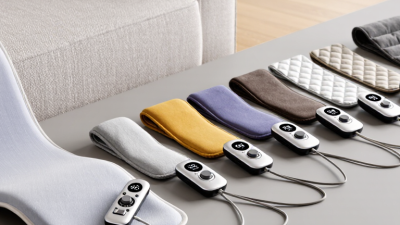
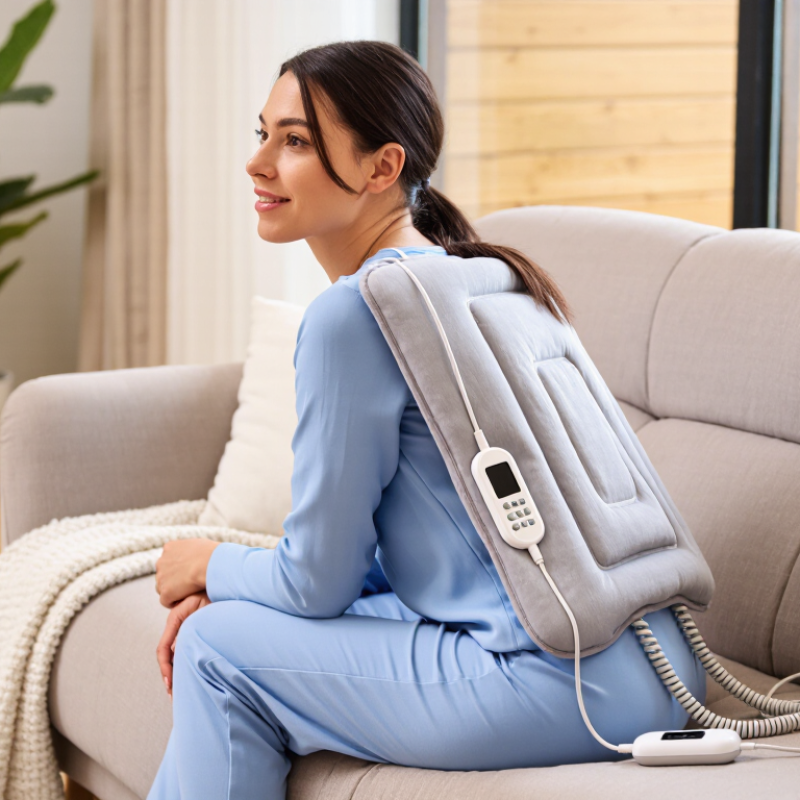
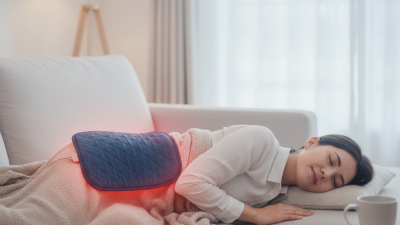
The best heating pad for back pain depends on where discomfort sits and how you plan to use heat. Electric pads provide steady warmth and often include adjustable settings and automatic shutoff. A wide, flexible wrap can cover the lower back while you sit, but cords may limit movement. Fit matters. A pad that bunches under your waist can create uneven pressure.

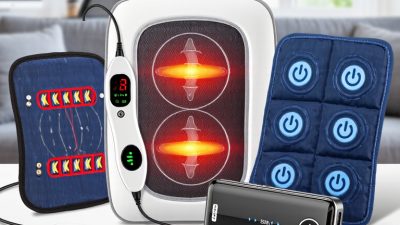
Microwaveable packs are portable and cordless, with warmth that fades over time. Check the covering and temperature before placing one against your skin; hot spots can cause burns. Moist-heat pads use a damp layer or produce gentle humidity, which some people find soothing. Infrared models warm tissues differently, but comfort and safe use matter more than bold claims about depth. Not always better. Choose a low setting, place fabric between the pad and bare skin, and limit sessions to about 15–20 minutes. Avoid sleeping on a powered pad. If you have reduced sensation, poor circulation, new weakness, or severe or persistent pain, ask a healthcare professional before using heat. The most convenient option can still be the wrong one if it irritates your skin or worsens symptoms.

What Is the Best Heating Pad for Back Pain?

A practical comparison of common heating-pad types and their features.

Ratings are general qualitative comparisons on a 1–5 scale, not standardized product measurements. Features vary by design. For back pain, choose a comfortable option with suitable controls, and follow its instructions to reduce burn risk.

How to Choose a Heating Pad for Back Pain

Choosing a heating pad for back pain starts with fit, not maximum heat. A long, flexible pad can cover the lower back while you sit, but it should not bunch beneath your body. Check its dimensions against the painful area and the chair or bed where you plan to use it. A simple controller, several heat settings, and an automatic shutoff make everyday use easier. A washable cover is useful after repeated use. Small details matter.

Evidence supports warmth for some short-term back pain. The American College of Physicians’ 2017 clinical practice guideline recommends superficial heat for acute or subacute low-back pain, based on moderate-quality evidence. The World Health Organization reports that about 619 million people experienced low-back pain in 2020, showing how common the problem is. Neither finding means every heating pad will help every person. Look for clear temperature controls and follow the maker’s instructions; place a layer of fabric between the pad and skin, and avoid falling asleep with it on. If sensation is reduced, skin is fragile, or pain is worsening, ask a health professional before using heat. A feature list can look reassuring, but comfort and safe use are harder to judge from a product page.

Safe Heating Pad Use and Recommended Treatment Times

What Is the Best Heating Pad for Back Pain?

A useful heating pad offers adjustable warmth, a comfortable fit, and an automatic shutoff. For many people, gentle heat can ease tight back muscles, though it does not address every cause of pain. Keep it gentle. Choose a low or medium setting, and place a thin layer of fabric between the pad and your skin.

Try heat for 15 to 20 minutes at a time, then remove the pad and check your skin. Follow the device instructions if they recommend a shorter session. The timing is not exact for everyone; that uncertainty deserves attention. Stop sooner if your skin becomes very red, uncomfortable, or numb. Never fall asleep with an electric heating pad, even if it has an automatic shutoff.

Use extra caution if you have reduced skin sensation or poor circulation, and ask a healthcare professional whether heat is appropriate. Avoid applying heat to an area you cannot monitor reliably. Stop if it burns. If back pain follows a serious injury, worsens, or comes with leg weakness, numbness around the groin, or bladder or bowel changes, seek medical care promptly.

What Is the Best Heating Pad for Back Pain? — Safe Heating Pad Use and Recommended Treatment Times

There is no single best heating pad for everyone. For many people with uncomplicated muscle tightness or stiffness, a temperature-adjustable pad with a timer or automatic shutoff is a practical choice. Use comfortable warmth—not intense heat—and follow the product instructions.

Option or situation May be suitable for Typical use time Safe-use guidance Important limitations
Adjustable electric heating pad Targeted warmth at home for back muscle tightness or stiffness. About 15–20 minutes per session. Choose a low or comfortable setting, place a fabric layer between the pad and skin, and check the skin during use. A timer or automatic shutoff can help reduce the risk of prolonged exposure. Do not lie or sit with your full body weight on the pad unless the product is specifically designed for that use. Do not use while asleep.
Microwavable warm pack Short periods of localized warmth without an electrical cord. About 15–20 minutes; follow the product’s heating and use instructions. Check the temperature before placing it on your back. Reheat only as directed, because overheated packs can cause burns. Heat may be uneven, and packs can cool during use. Avoid direct contact with skin if the pack feels hot.
Warm shower or bath General comfort or easing stiffness across a broader area. A comfortable short session; stop if you feel faint, overheated, or uncomfortable. Use comfortably warm rather than very hot water. Take care when getting in and out, especially if pain affects balance. Avoid very hot water if you have reduced sensation or are at increased risk of burns.
When heat may help Temporary relief of muscle tension, stiffness, or discomfort that feels better with warmth. Start with 15–20 minutes and reassess how your skin and symptoms feel. Heat is for symptom relief; gentle movement as tolerated may also help maintain mobility. Heat does not identify or treat every cause of back pain. Stop if pain or skin irritation worsens.
When to avoid heat or ask a clinician first People with uncertainty about whether heat is safe for their condition. Do not apply heat until you have checked with a healthcare professional when a safety concern applies. Avoid applying heat to areas with reduced sensation, poor circulation, broken or irritated skin, or active swelling unless a clinician advises otherwise. Seek urgent medical care for back pain with new leg weakness, numbness around the groin or saddle area, loss of bladder or bowel control, or other severe or rapidly worsening symptoms.

Practical starting point: Use comfortable warmth for 15–20 minutes, with a cloth barrier, and let your skin return to its normal temperature before another session. Follow the device instructions. Ask a healthcare professional for advice if pain is severe, follows a significant injury, or is not improving.

When to Seek Medical Advice for Back Pain

When to Seek Medical Advice for Back Pain

A heating pad may ease tight muscles, but warmth cannot explain why your back hurts. Seek urgent medical care if back pain follows a serious fall or accident. Get emergency help for new leg weakness, numbness around the groin, or trouble controlling your bladder or bowels. These symptoms can signal a problem needing prompt assessment.

Contact a healthcare professional if pain is severe, keeps worsening, or does not improve after a few weeks. Do so sooner if you have a fever, unexplained weight loss, a history of cancer, or a weakened immune system. Pain that spreads down a leg, especially with tingling or weakness, also deserves attention. Small details matter. Note when the pain began, what makes it worse, and whether it interrupts sleep or daily tasks.

If you use heat while waiting for advice, place a cloth between the pad and your skin, and avoid falling asleep with it on. Burns can happen quietly. It is tempting to keep treating familiar pain at home, and sometimes that is reasonable; still, judging the cause by how heat feels is unreliable. A clinician can help decide whether an examination or further testing is needed.