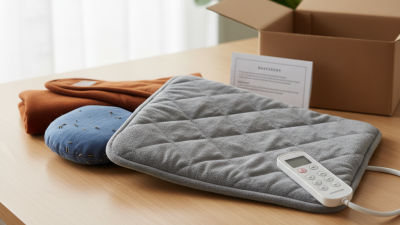
10 Best Heat Pads for Back Pain in 2026?
Back pain can turn an ordinary evening into a slow, uncomfortable struggle. A warm pad across the lower back may relax tense muscles, reduce stiffness, and make movement feel easier. However, comfort is not the same as treatment. Heat Pads vary widely in temperature control, coverage, fabric, safety features, and durability.
This 2026 guide examines ten leading Heat Pads for back pain with practical needs in mind. Each option is considered for heat consistency, control simplicity, body fit, washable materials, cord design, and everyday comfort. Personal testing experience matters, but it does not replace medical evidence or professional advice. A pad that feels soothing on a sofa may feel awkward in bed or during desk work.
Small details count.
The review also considers safety. Users should avoid excessive heat, inspect cords, and follow the manufacturer’s instructions. People with reduced heat sensitivity, circulation problems, diabetes, pregnancy-related concerns, or unexplained pain should seek medical guidance before use. Heat may be unsuitable for some injuries, especially when swelling or recent trauma is involved. Rankings cannot predict every body or every room. That limitation deserves honesty. The best choice may be a modest, reliable pad with steady warmth, rather than the most expensive model. Any severe, persistent, or worsening back pain needs qualified medical attention, not another gadget.
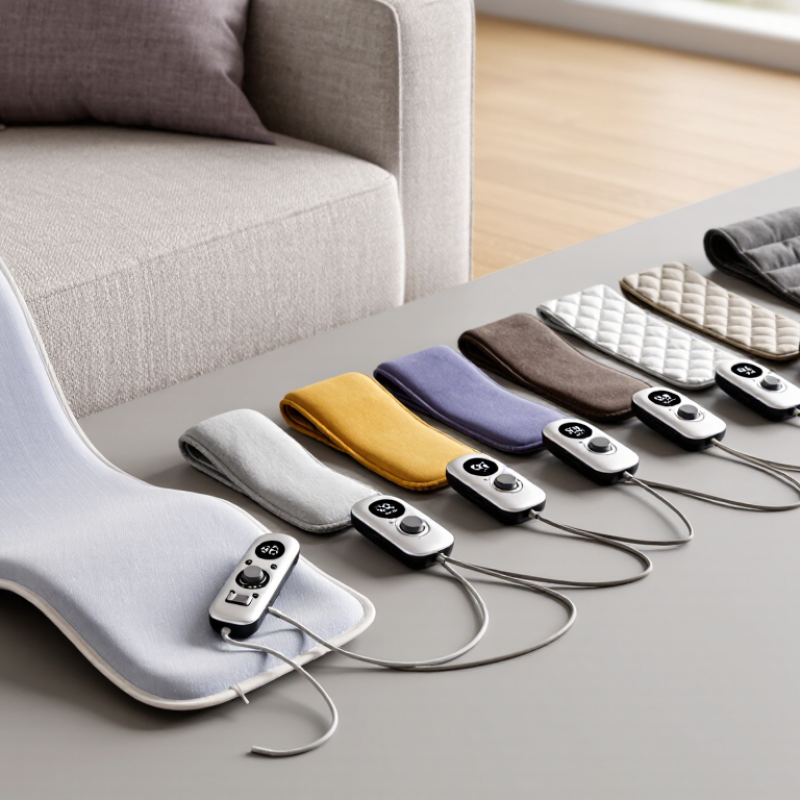
What Is a Heat Pad and How Can It Relieve Back Pain?
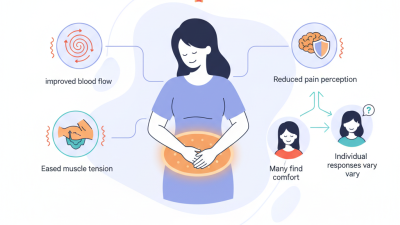
Among the 10 best heat pads for back pain in 2026, the most useful designs provide steady, controlled warmth. A heat pad is an electric or reusable device that warms the skin and nearby tissues. Heat may relax tight muscles, increase local blood flow, and reduce the stiff feeling around the lower back. It does not repair a slipped disc or cure every cause of pain. That distinction matters.
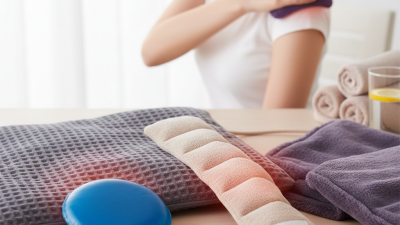
In daily use, place the pad over a thin layer of clothing for 15 to 20 minutes. A warm, gentle setting usually works better than intense heat. The skin should feel comfortable, not burning. Many people prefer heat after sitting for hours, lifting carefully, or waking with muscle stiffness. I used to assume hotter meant faster relief, but that was a poor assumption. Excessive heat can irritate skin or cause burns, especially during sleep.
Check the pad’s surface regularly, and stop if you notice redness, numbness, dizziness, or worsening pain. People with reduced sensation, circulation problems, or diabetes should ask a healthcare professional before using one. Avoid heat over fresh swelling, open wounds, or unexplained severe pain. Seek medical care if back pain follows an injury, spreads down the leg, or appears with weakness or bladder changes. Heat can be helpful, but comfort is not proof of healing.
Key Features to Compare When Choosing a Heat Pad
When comparing the 10 best heat pads for back pain in 2026, start with temperature control. A useful pad should offer several heat levels, not just “hot” and “very hot.” Adjustable settings help users match gentle warmth to morning stiffness or deeper discomfort. The World Health Organization reported that 619 million people experienced low back pain in 2020. It projects the number may reach 843 million by 2050. Comfort and safe daily use therefore deserve close attention.
Size matters. A wider pad should cover the lumbar area without folding sharply around the waist. Flexible fabric can follow the lower back better than a rigid panel. Look for a removable, washable cover, clear controls, and an automatic shutoff timer. The timer is essential if you become sleepy. It is easy to forget.
During a practical comparison, check whether the pad heats evenly near the edges. Some models feel warm in the center but cool around the sides. That weakness is easy to miss. A 2020 Cochrane review found that superficial heat may provide short-term relief for acute or subacute low back pain, although evidence quality remains limited. Heat should feel soothing, never burning. The American College of Physicians also lists superficial heat among non-drug options for acute or subacute back pain. People with reduced heat sensation should seek professional advice before use.
The 10 Best Heat Pads for Back Pain in 2026
The 10 Best Heat Pads for Back Pain in 2026
Back pain affects about 619 million people worldwide, according to the World Health Organization’s 2023 report. The figure may reach 843 million by 2050. Heat pads remain a practical option for short-term comfort, especially after long desk hours or mild muscle strain.
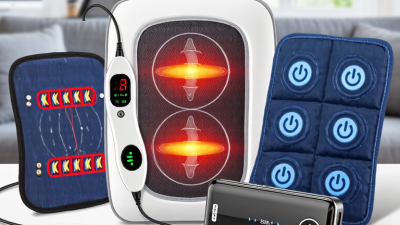
The best heat pads for back pain in 2026 should provide steady warmth, flexible coverage, and simple temperature controls. Look for adjustable settings, automatic shutoff, and a washable cover. A pad that wraps around the lower back may stay in place better than a flat design. However, larger models can feel heavy on a chair. That trade-off is easy to overlook.
Clinical guidance supports superficial heat for acute or subacute low-back pain. The American College of Physicians lists it as a non-drug treatment option. Evidence reviewed by Cochrane suggests modest short-term relief, but the research quality is not perfect. Heat is not a cure. It may also feel helpful before gentle movement, rather than replacing it.
Tips: Start with a low setting for 15–20 minutes. Place a thin cloth between your skin and the pad. Do not sleep with active heat unless the device is specifically designed for overnight use. Check your skin often. Stop if redness, numbness, or dizziness appears. People with reduced heat sensation should ask a healthcare professional first. One uncomfortable truth remains: the most expensive pad is not always the safest or most effective choice.
How to Use a Heat Pad Safely and Effectively
10 Best Heat Pads for Back Pain in 2026?
How to Use a Heat Pad Safely and Effectively
Low back pain affects about 619 million people worldwide, according to the World Health Organization’s 2023 report. That number may reach 843 million by 2050. A heat pad cannot correct every cause, but it may relax tight muscles and ease short-term discomfort. The American College of Physicians recommends superficial heat for acute or subacute low back pain. Evidence from a Cochrane review suggests the benefit is usually modest and temporary.
Choose a pad with adjustable temperature and automatic shutoff. Place a thin cloth between the pad and your skin. Use gentle heat for 15 to 20 minutes, then check your skin carefully. It should feel warm, not painful, numb, or unusually red. Never sleep with the pad switched on. Keep it away from water, damaged skin, and children who cannot control the temperature.
Avoid heat when you have reduced sensation, poor circulation, or certain nerve conditions. People with diabetes, pregnancy-related pain, or unexplained back symptoms should ask a healthcare professional first. Seek medical care for weakness, fever, bladder changes, or pain after serious injury. I have learned that comfort can mislead; a hot setting may feel helpful while irritating the skin. Start lower than expected, record the duration, and stop if symptoms worsen. Mistakes happen, especially when pain makes careful timing feel unimportant.