DOWNLOAD CATALOG
Leave Your Message

How to Choose Heat Pads for Back Pain?

Back pain is common, persistent, and often difficult to manage at home. The Lancet Rheumatology’s Global Burden of Disease analysis estimated that 619 million people experienced low back pain in 2020. That number may reach 843 million by 2050. These figures show why simple, affordable relief options still matter.

Heat Pads Back Pain products can provide temporary comfort by warming tight muscles and supporting relaxation. The American College of Physicians recommends superficial heat as a non-drug option for acute or subacute low back pain. However, this recommendation does not mean every heating pad suits every person. A useful choice depends on heat settings, pad coverage, controls, fabric, and safety features.

Look for adjustable temperatures and automatic shut-off. A wide pad should cover the painful area without folding. A soft, washable cover can feel better against the skin. Moist heat may feel more penetrating, but dry heat is often easier to maintain. Never sleep with an active pad unless the manufacturer specifically permits it.

No pad is perfect.

People with reduced skin sensation, circulation problems, diabetes, or sensitive skin should seek professional advice before use. Stop immediately if the skin becomes unusually red, numb, or painful. Severe pain, leg weakness, bladder changes, fever, or unexplained weight loss requires medical assessment rather than home heat.

Choosing well means balancing comfort, evidence, and personal risk. The most expensive model may not be the safest. A careful comparison can prevent wasted money and avoidable skin injury.
How to Choose Heat Pads for Back Pain?

Understanding How Heat Pads Relieve Back Pain

How to Choose Heat Pads for Back Pain?

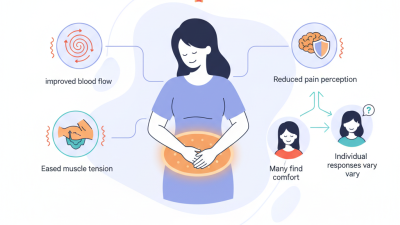
Heat can ease back pain by relaxing tight muscles and widening nearby blood vessels. This may improve circulation and reduce the feeling of stiffness. Warmth also calms sensitive pain signals, making movement feel less threatening. It does not repair every cause of back pain. That distinction matters.

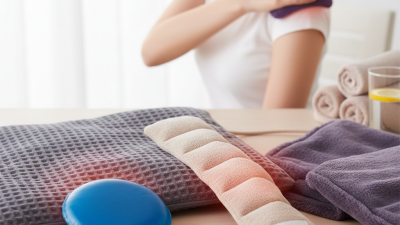
A flexible pad can suit a broad lower back, while a smaller pad may target one tense area. Choose adjustable heat and a clear automatic shutoff. Moderate warmth is usually safer than intense heat. Place a thin cloth between the pad and your skin. Use it for about 15 to 20 minutes, then check your skin. Never sleep with an active pad.

The best choice depends on symptoms, mobility, and skin sensitivity. Someone with muscle tightness may prefer gentle, even warmth. A person with reduced sensation, diabetes, or poor circulation should ask a healthcare professional first. Heat may worsen fresh swelling, bruising, or some inflammatory conditions. Cold can sometimes fit those situations better. It is easy to assume stronger heat means faster relief, but that is not always true. I would reconsider any pad that leaves deep redness, increases pain, or encourages long periods of rest. Seek medical advice for weakness, numbness, fever, unexplained weight loss, or bladder and bowel changes.

Identifying the Right Heat Pad Type for Your Needs

Choosing the right heat pad starts with matching its heat style to your routine and pain pattern. Dry electric pads warm steadily and suit planned sessions at home. Moist-heat pads may feel deeper, especially when muscles feel tight after sitting. They can require extra care because damp fabric cools quickly and may irritate sensitive skin.

A microwavable pad is portable and convenient. It works well for short periods, such as relaxing your lower back after a long commute. However, its temperature can be uneven, and reheating instructions must be followed carefully. Chemical heat wraps offer hands-free warmth during light activity, but they may become too hot under tight clothing. Fit matters.

Look for adjustable temperature settings, a soft cover, and an automatic shutoff. Keep the heat comfortably warm, never painfully hot. Place a thin cloth between your skin and the pad, then check your skin after several minutes. Avoid sleeping with an electric pad. People with reduced sensation, circulation problems, diabetes, or unexplained back pain should ask a healthcare professional before using heat. Heat may also aggravate fresh swelling or an acute injury.

My first instinct was to choose the hottest setting for faster relief. That choice was not always right. Gentle, consistent warmth often feels better than intense heat. Stop if you notice burning, numbness, dizziness, or worsening pain, and seek medical advice when symptoms persist, spread into the legs, or involve weakness.

How to Choose Heat Pads for Back Pain? - Identifying the Right Heat Pad Type for Your Needs

Heat Pad Type How It Produces Heat Typical Heat Duration Heat Control Best Suited For Advantages Limitations and Safety Considerations
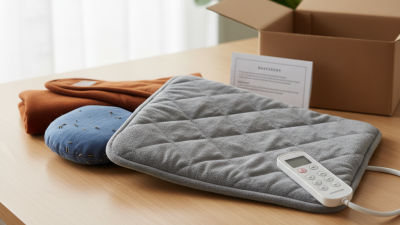
Electric Heating Pad Electrical resistance elements warm the pad while it is connected to a power source. As long as it remains connected and switched on; use timed sessions rather than continuous exposure. Usually offers multiple temperature settings and may include an automatic shut-off timer. Home use when adjustable, consistent heat is preferred. Provides steady warmth, reusable, and generally offers the most precise heat adjustment. Requires access to electricity. Do not use while sleeping unless the product is specifically designed and approved for that purpose. Inspect cords and surfaces for damage, and avoid folding the pad while operating.
Microwavable Gel or Grain Pad Gel, rice, wheat, or another heat-retaining filling is warmed in a microwave. Commonly about 20–60 minutes, depending on the filling, size, insulation, and room temperature. Heat is adjusted mainly by microwave time; temperature is less precise than with an electric pad. Short, portable sessions at home or when no electrical outlet is convenient. Portable, cordless, and often comfortable for targeted areas. Follow the heating time and resting instructions carefully. Overheating can cause burns or damage the filling. Check for hot spots before placing it on the skin, and keep moisture-sensitive fillings dry.
Chemical Self-Heating Pad A sealed chemical mixture generates heat after exposure to air or activation. Often several hours, depending on the product design and environmental conditions. Usually limited; some products regulate heat through an insulating cover. Travel, outdoor use, or situations where electricity and microwaves are unavailable. Lightweight, convenient, and ready to use without external power. Do not cut, puncture, or reuse a disposable pad. Follow the stated maximum wear time, place it over clothing when directed, and check the skin regularly because prolonged low heat can still cause burns.
Hot-Water Bottle or Warm-Water Pack Warm water transfers heat through a flexible container. Usually about 30–60 minutes, depending on water temperature, insulation, and room conditions. Temperature is controlled by the water temperature and the thickness of the cover. Gentle, flexible warmth for home use when a power-free option is needed. Reusable, simple, and adaptable to different body areas. Use hot rather than boiling water unless the product instructions state otherwise. Check for leaks, keep the stopper secure, use a fabric cover, and do not lie on top of the bottle.
Infrared Heat Pad Powered infrared elements emit radiant heat that warms the surface and nearby tissues. Depends on the device; sessions are commonly controlled by a timer. May provide adjustable temperature, timer, and intensity settings. Users seeking a powered pad with additional control features and broad coverage. Can offer even warmth across a larger area and programmable settings. Infrared terminology does not guarantee deeper or better pain relief. Follow the device instructions, avoid excessive temperature, and do not use on numb skin or while asleep.
Wearable Heated Wrap Integrated electric elements or self-heating components warm a shaped wrap around the lower back. Electric versions may operate for several hours per charge; disposable versions last according to their package instructions. Electric models often include several settings; self-heating models usually have limited adjustment. People who want hands-free warmth while sitting, standing, or doing light activities. Stays positioned around the back and can be more convenient than a loose pad. Do not fasten it tightly. Check the skin frequently, avoid wearing it under additional heavy insulation, and follow restrictions related to movement, charging, and washing.
Moist Heat Pad Uses a damp cover, moist insert, or water-based heating system to add humidity to the warmth. Varies by design; use the manufacturer’s recommended session length. May have adjustable temperature settings, but moisture can make heat feel stronger. Users who prefer moist warmth and can monitor skin comfort closely. Can feel comfortable and distribute warmth effectively when used correctly. Moisture may increase the risk of skin irritation or burns. Keep electrical connections dry, avoid damaged skin, and do not use if the pad or cover cannot be cleaned and dried properly.

General safety guidance: Use a comfortably warm setting rather than the highest setting, place a cloth layer between the pad and skin when appropriate, limit each session according to the product instructions, and stop immediately if the skin becomes very red, painful, numb, or blistered. People with reduced sensation, poor circulation, diabetes, or difficulty responding to heat should ask a healthcare professional before using a heat pad. Seek medical care for back pain accompanied by weakness, loss of bladder or bowel control, fever, unexplained weight loss, or pain after a serious injury.

Choosing Safe Heat Settings, Sizes, and Materials

How to Choose Heat Pads for Back Pain?

The World Health Organization estimates that 619 million people experienced low back pain in 2020. That number may reach 843 million by 2050, according to its 2023 low back pain report. Heat can relax tight muscles, but it should not mask worsening pain. Choose a pad that covers the sore area without folding. A compact design usually fits the lower back better than an oversized model.

Start with the lowest comfortable setting. Medium heat is often enough. Use it for 15–20 minutes, then check your skin. Redness, numbness, or burning means stop. Never sleep with a heating pad, even when it has an automatic shutoff.

NFPA reported 48,530 home heating fires annually from 2016–2020. That figure covers heating equipment overall, not pads alone, but it supports careful use.

Material matters more than appearance. Look for a washable, breathable cover and evenly distributed heating elements. Avoid pads with damaged cords, exposed wiring, or stiff, cracked surfaces. A flexible gel pad can feel gentle, while an electric model offers steadier temperature control. Follow the care label exactly.

I used to think hotter meant better. It does not. Individual skin sensitivity varies, and a setting that feels mild through clothing may become excessive against bare skin. People with reduced sensation, circulation problems, diabetes, or unexplained back pain should ask a qualified clinician before using heat.

WHO, Low Back Pain Fact Sheet, 2023; NFPA, Home Fires Involving Heating Equipment, 2016–2020.

Comparing Features for Comfort, Portability, and Maintenance

Choosing a heat pad for back pain involves more than picking the hottest setting. Comfort, portability, and maintenance often determine whether you use it consistently.

For comfort,

look for adjustable heat levels and even warmth across the pad. A soft cover can reduce skin irritation, especially during longer sessions. The pad should bend around the lower back without pressing sharply against the spine. Heat should feel soothing, never painfully hot. Check your skin regularly, and avoid sleeping with an active heat pad. People with reduced heat sensitivity, diabetes, or circulation problems should ask a healthcare professional before using one.

Portability matters

when pain appears at work, during travel, or after exercise. A lightweight cordless design is convenient, but its battery may lose power quickly at higher temperatures. A wired model can provide steadier heat, although the cable may restrict movement. Measure the pad before buying. Some models cover only the lumbar area, while larger designs may feel bulky under clothing.

I once assumed bigger meant better, but excessive weight made regular use less comfortable.

Maintenance is easy to overlook.

Removable, washable covers help manage sweat and skin oils. Always follow the cleaning instructions, and keep electrical parts dry. Inspect cables, plugs, and fabric for damage before each use. Do not continue using a pad with exposed wiring or uneven heating. A simple care routine can extend its life, though it cannot replace proper medical advice for persistent or worsening back pain.

Using a Heat Pad Safely for Effective Back Pain Relief

How to Choose Heat Pads for Back Pain?

A useful heat pad should feel comfortably warm, not intensely hot. Choose adjustable low and medium settings, even heat, and an automatic shutoff. A flexible design may follow the curve of your lower back. Check the cord, cover, and heating surface before use. Damaged wiring deserves replacement, not optimism. It is easy to underestimate how quickly warmth builds under a blanket.

Place a thin layer of clothing or fabric between your skin and the pad. Use it for about 15 to 20 minutes, then check your skin. Stay awake and avoid lying directly on top of it. Redness, burning, numbness, or unusual pain means remove it immediately. Never use heat over an open wound, fresh swelling, infection, or skin with reduced sensation. People with diabetes, poor circulation, or pregnancy should ask a healthcare professional first.

Heat may relax tight muscles and make gentle movement easier. It may not treat the cause of back pain. Try slow walking or careful stretching afterward, if movement feels safe. Seek medical advice for severe pain, weakness, numbness, fever, unexplained weight loss, or bladder and bowel changes. A pad is simple. Safe use is not always automatic.