Top 10 Tips for Choosing the Best Heat Pads for Pain Relief
When it comes to pain relief, heat pads can be incredibly effective. Choosing the right heat pad, however, can be daunting. With many options available, you want to ensure you select a product that meets your specific needs. Factors such as heat settings, size, and material all play a role in your overall comfort and effectiveness of the heat pad.
Many users often overlook the importance of these factors. A heat pad that is too small may not provide adequate coverage for sore muscles. Conversely, a pad that is too large can be unwieldy and uncomfortable. The material can also greatly affect your experience, so it’s essential to choose wisely.
Consider consulting expert reviews and user testimonials to guide your choice. Not all heat pads are created equal, and some may not be as reliable as others. It’s vital to focus on quality and the reputation of the brand. This investment in your health can yield significant rewards when you choose the best heat pad for pain relief.
Factors to Consider When Selecting a Heat Pad for Pain Relief
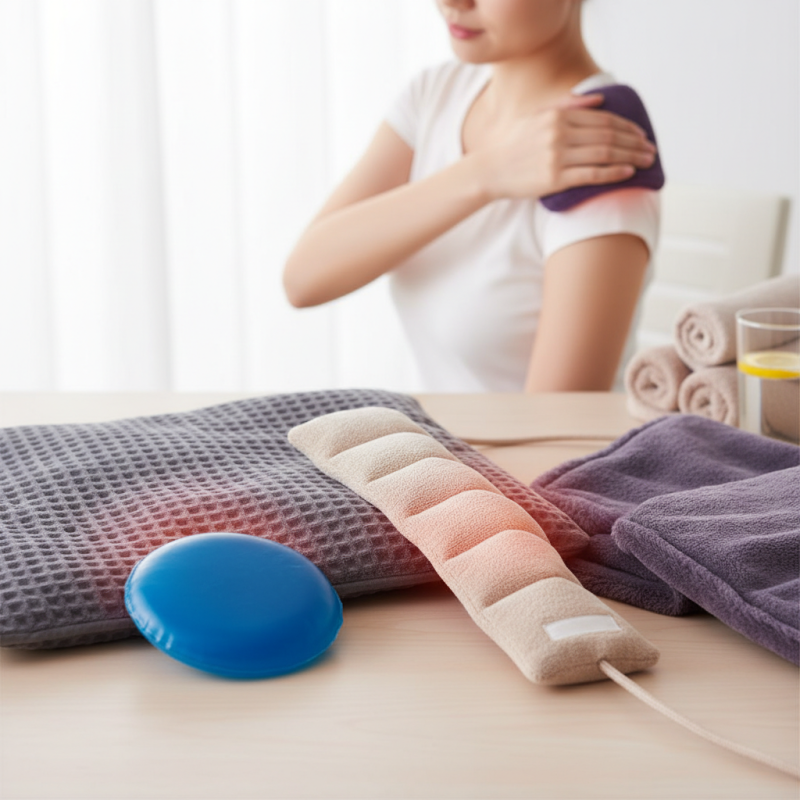
When selecting a heat pad for pain relief, several factors come into play. The material is crucial. Some pads use soft fabrics, enhancing comfort during use. Look for pads that have good insulation to retain heat longer. This detail can greatly affect how effective the pad feels.
Heating method matters too. Options include electric, microwaveable, and chemical heat pads. Each has its pros and cons. Electric pads provide consistent heat but require access to power. Microwaveable pads offer convenience, but their heat may dissipate quickly. Consider how often and where you’ll use the pad.
Size is another important factor. A large pad covers more area, but it may be cumbersome. A smaller pad is portable but may not target larger areas effectively. Lastly, check for adjustable temperature settings. This feature allows for personalized relief, especially if your pain varies in intensity. Balancing these factors is key to finding the right heat pad. It’s essential to invest time in understanding your personal needs.
Top 10 Tips for Choosing the Best Heat Pads for Pain Relief
Types of Heat Pads Available: Electric, Microwaveable, and More
When it comes to pain relief, choosing the right type of heat pad is essential. There are three main varieties: electric, microwaveable, and gel packs. Each type has distinct features and benefits suited for different needs. According to a study from the American Physical Therapy Association, heat therapy can reduce muscle stiffness and improve blood circulation, making heat pads a valuable tool for pain management.
Electric heat pads provide consistent warmth and can be adjusted for different temperatures. They are often recommended for chronic pain, as they allow for continuous use. However, there is a risk of burns with prolonged exposure.
Microwaveable pads, on the other hand, offer a more immediate solution. They heat up quickly and are portable, making them great for on-the-go relief. Yet, users need to be careful not to overheat them, as the heat can dissipate quickly.
Gel packs are another option. They can be cooled or heated and are quite versatile. However, some users find them less comfortable than other options. Each type of heat pad serves specific purposes, but personal comfort and safety should always be a priority.
It's crucial to understand your options to select the most effective heat pad for your pain relief needs.
Size and Coverage Area: Finding the Right Fit for Your Needs
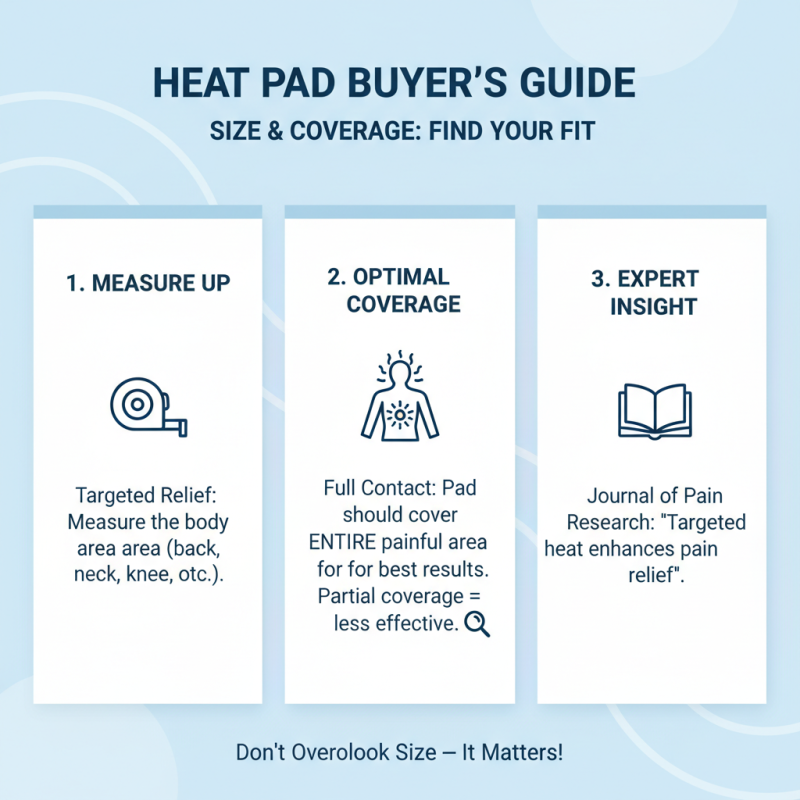
When selecting heat pads for pain relief, the size and coverage area play crucial roles. Many users overlook this aspect, yet it significantly impacts the effectiveness of the treatment. A study from the Journal of Pain Research highlights that targeted heat applications can enhance relief for specific areas. Therefore, measuring the body part the heat pad will cover is essential before purchase.
Individuals with chronic pain conditions often have varying needs. For instance, larger pads can cover wider areas, such as the back or thighs, while smaller pads may suffice for localized treatment, such as cramping in the abdomen. It’s important to evaluate the dimensions of the heat pad against personal body measurements.
Tip: Aim for a pad that provides full coverage of the affected area.
It's worth considering the thickness and flexibility of the material. A report from Healthline suggests that thicker pads can provide deeper heat penetration, which is beneficial for muscle relaxation. However, too much bulk can restrict movement.
Tip: Test how the pad conforms to your body shape before committing.
Safety Features to Look for in a Heat Pad
When selecting a heat pad, safety features are paramount. Industry studies show that over 30% of heat pad users report minor burns or skin irritation. These incidents often stem from inadequate temperature control. Choose a heat pad with an automatic shut-off feature. This reduces the risk of overheating, providing peace of mind during use.
Look for adjustable temperature settings. Research indicates that users benefit from a range of heat options. This allows personalized therapy, which can enhance pain relief. Many heat pads now come with timers. These can help prevent accidental burns, especially for those who may fall asleep while using them.
Another crucial aspect is the material used in the heat pad. Fabrics should be breathable and hypoallergenic. Reports suggest that synthetic materials can increase skin irritation. Focus on heat pads made with natural fabrics. This choice can improve comfort and minimize adverse reactions. Remember, safety doesn’t have to compromise effectiveness. Aim for a balance between comfort and protection in your heat pad selection.
How to Care for and Maintain Your Heat Pad for Longevity
Caring for your heat pad is essential for longevity and effective pain relief. Regular maintenance ensures it remains safe and functional. Remember to check the fabric for wear and tear. Small damages can lead to safety issues over time. Always follow the manufacturer's instructions for washing. Some heat pads are machine washable, while others require hand washing. Take care to avoid harsh detergents, which can break down the materials.
Storage is another key aspect. When not in use, keep your heat pad in a cool, dry place. Folding it too tightly can cause creases, potentially damaging internal wiring. It's advisable to store it flat if possible. Periodically, inspect the cord for fraying. A damaged cord can be a fire hazard. If you notice any issues, consider seeking professional repair or replacing the unit. Heat pads are an investment, and proper care can extend their usability and effectiveness.
Top 10 Tips for Choosing the Best Heat Pads for Pain Relief - How to Care for and Maintain Your Heat Pad for Longevity
| Tip # |
Tip Description |
Key Features |
Maintenance Advice |
| 1 |
Consider the size and shape |
Available in various sizes for targeted relief |
Store flat to maintain shape |
| 2 |
Check for adjustable heat settings |
Multiple heat levels for personalization |
Clean with a damp cloth after use |
| 3 |
Opt for safety features |
Automatic shut-off for safety |
Inspect for any damages regularly |
| 4 |
Choose material wisely |
Soft, washable fabric for comfort |
Follow washing instructions carefully |
| 5 |
Assess power source |
Electric, microwaveable, or chemical pads |
Store in a cool, dry place |
| 6 |
Read reviews and ratings |
User feedback on effectiveness |
Consider customer care availability |
| 7 |
Look for warranty options |
Assurance of quality |
Keep receipts for warranty claims |
| 8 |
Evaluate portability |
Lightweight and compact designs |
Use a carrying case for travel |
| 9 |
Check for extra features |
Built-in timers or massage functions |
Re-evaluate features periodically |
| 10 |
Price vs. performance balance |
Quality in relation to cost |
Review after purchase for long-term value |