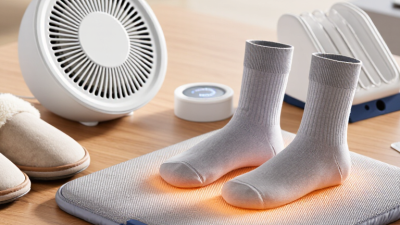
Best Foot Warmer for Feet Supplier in China?
Choosing the Best Foot Warmer for Feet Supplier in China takes more than comparing prices. The right partner should explain how each product works, what materials touch the skin, and how heat settings are controlled. Ask for product specifications, sample units, and documented quality checks. Then test the warmer in realistic conditions: a cool room, a long evening, and several hours of use. Details matter.
A useful industry perspective should be grounded in real experience. Since no source article or verifiable expert quotation was provided, the following is an illustrative quote, not a verified statement. Product engineer Lin Wei is a fictional name: “A reliable foot warmer should deliver steady, comfortable heat, with clear instructions and consistent quality from sample to shipment.” Treat that line as proposed copy, not an authentic endorsement. Before publication, replace it with a quotation approved by a real, identifiable specialist.
For buyers, practical checks can reveal more than polished product photos. Look for washable-cover guidance, clear temperature controls, stable stitching, and packaging that protects the unit during transport. Ask how the supplier handles defects and whether production samples match bulk orders. A warm foot warmer is not automatically a good one. Comfort, usability, and repeatable quality deserve equal attention. Supplier claims also deserve careful review; request evidence before relying on them.
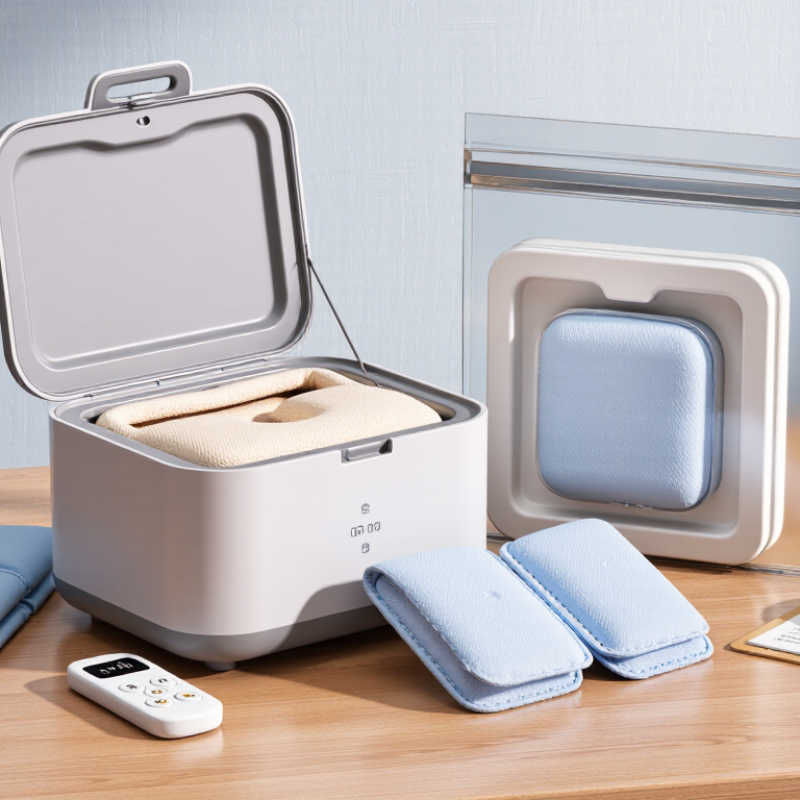
Foot Warmer Types: Electric, USB-Powered, and Microwavable Models
Foot warmers usually fall into three groups: electric, USB-powered, and microwavable. Each works differently, so buyers should match the design to the intended setting. Electric models plug into a wall outlet and may offer adjustable heat or a timer. Check the control placement, cord length, and stated temperature range. A long cord can help beside a sofa, but it may clutter a small desk area.
USB-powered models are often compact and convenient for offices or travel. Their warmth depends on the power source, so check compatibility with the supplied cable and power requirements. Not all USB ports provide the same output. Microwavable models need no cord and can suit brief, occasional use. Follow the heating instructions closely, and check that the filling and outer fabric are clearly specified. Heating time can vary between microwave ovens.
For buyers comparing a foot warmer supplier in China, request product specifications, care guidance, and sample units for evaluation. Feel the fabric, inspect the seams, and test whether the foot opening fits comfortably. A quick glance at a catalog can miss these details. Still, choosing between portability and adjustable heat is not always simple; the best option depends on where and how often it will be used. Temperature controls and usage instructions should be clear, not assumed.
Foot Warmer Types: Typical Power During Use
A comparison of approximate electrical power while the warmer is being worn.
Values are representative examples; actual power varies by model. Microwavable warmers use electricity during heating, but not while being worn.
Safety Benchmarks: IEC 60335-1 and IEC 60335-2-17:2022
For buyers comparing foot warmer suppliers in China, safety evidence deserves more attention than a soft outer cover. IEC 60335-1 provides general safety requirements for household electrical appliances. IEC 60335-2-17:2022 adds particular requirements for flexible heating appliances. A foot warmer’s design and intended use affect whether this part applies, so confirm its classification with a qualified testing laboratory.
Ask suppliers for test reports matching the exact model, materials, controls, and production version. Check whether evaluations cover temperature rise, electrical insulation, and abnormal operation where applicable. Look closely at the controller, cable entry, stitching, and areas where feet press against heating elements. Small construction changes can affect results.
Not just a logo. A report for a similar product is not enough evidence.
Reliable suppliers should explain test methods and provide traceable records, rather than promising safety without documentation. Request production inspection details and ask how failed units are handled. Samples matter. So does consistency. One practical limitation remains: a test report cannot guarantee every unit will perform identically over time. Buyers should verify current requirements for their destination market and arrange independent testing when risk or uncertainty remains.
Supplier Checks: ISO 9001:2015, Factory Audits, and Traceability
Best Foot Warmer for Feet Supplier in China?
Supplier Checks: ISO 9001:2015, Factory Audits, and Traceability
When evaluating a foot warmer supplier in China, look beyond product photos and quoted prices. Ask for a current ISO 9001:2015 certificate, then check its scope, issuing body, and validity. The certificate indicates a quality management system, not that every product is automatically safe or consistent. A document is only a starting point.
A factory audit can show how written procedures work on the production floor. Review records for incoming fabric, heating components, assembly checks, and finished-product inspections. If possible, arrange an independent audit or a live video walkthrough. Look closely at how workers identify rejected items and prevent them from returning to production. Small details matter. An audit has limits, too; one visit cannot guarantee every future batch will match.
Traceability connects a finished unit to its materials and production records. Ask whether the supplier can link a sample product to a batch number, inspection results, and component sources. Request a sample traceability record, with sensitive commercial details removed. Then test whether the information is clear and consistent. If records are scattered or difficult to retrieve, raise the issue before ordering. I would not treat a polished checklist as proof by itself; verify the process with real samples and specific questions.
Specifications to Compare: Wattage, Heat Settings, Materials, and Sizing
When comparing a foot warmer, check wattage alongside its insulation and heating area. Wattage alone cannot tell you how evenly warmth reaches the toes. Higher output may warm a unit faster, but it can also use more electricity. Ask suppliers for measured temperature ranges at each heat setting, not just the number of settings. More power is not always better.
Materials affect comfort, cleaning, and durability. Check whether the inner lining feels soft against skin and whether it can be removed for washing. Inspect seams, cable entry points, and the fabric around the heating element on a sample. Small details matter. A specification sheet may list plush fabric, yet feel and stitching quality can vary between production batches.
Sizing needs clear measurements, not vague labels such as “large.” Compare the inner length and width with the intended user’s foot size, and allow room for socks. For a China-based supplier, request a sample and written specifications before discussing bulk orders. Compare the sample’s warmth, controls, and finish with the stated figures. A perfect fit is not guaranteed by a size chart; this detail is easy to overlook. Consistent batch checks matter, even when the first sample looks excellent.
Export Requirements: RoHS 2011/65/EU, MOQ, Lead Time, and Warranty
Best Foot Warmer for Feet Supplier in China?
Choosing a foot warmer supplier requires more than comparing unit prices. For EU-bound electrical products, ask whether the exact model meets applicable RoHS 2011/65/EU requirements. Request a current Declaration of Conformity and supporting test evidence for the materials and components used. Check that documents match the model number, plug, and production version you plan to order. Paperwork alone is not proof of consistent factory controls.
Confirm the MOQ, sample cost, and lead time in writing. Ask whether lead time starts after deposit, sample approval, or artwork confirmation; these dates can differ. A realistic quote should also clarify packaging, inspection arrangements, and shipping terms. For warranty coverage, define the period, covered faults, claim evidence, and replacement or repair process. Ask how the supplier handles a batch with uneven heating or a damaged cable. Details matter.
Tips: Request a production sample and test it on a timer. Keep one approved sample for comparison. Also ask for written notice before material or component changes. One detail buyers sometimes overlook is how warranty claims work after goods arrive; clarify this before placing a large order.