Buying Feet Warmers in bulk is not simply a matter of finding the lowest price. A strong order must balance dependable warmth, comfortable wear, clear product specifications, and delivery timing. A carton may look like a bargain on a spreadsheet. But if the warmers cool too quickly during a long outdoor shift, the savings can disappear.
For this draft, the expert voice is illustrative, not a verified industry source. Fictional bulk-sourcing adviser Nina Patel puts the central question this way: “A good bulk deal is only good when every pair performs as promised.” Buyers should compare warming duration, activation method, package size, storage guidance, and quality checks. Ask for samples before committing to hundreds of units. Test them in the conditions people will actually face: cold mornings, gloves, and hours spent standing still. Small details matter.
The following ten tips will help retailers, event planners, and workplace buyers make a more informed purchase. They cover supplier evaluation, price comparisons, order quantities, packaging, and delivery planning. They also encourage buyers to check product claims rather than rely on a polished sales sheet. No checklist can eliminate every surprise. Still, a careful trial order and clear acceptance criteria can prevent avoidable waste. Plan for comfort, not just volume.
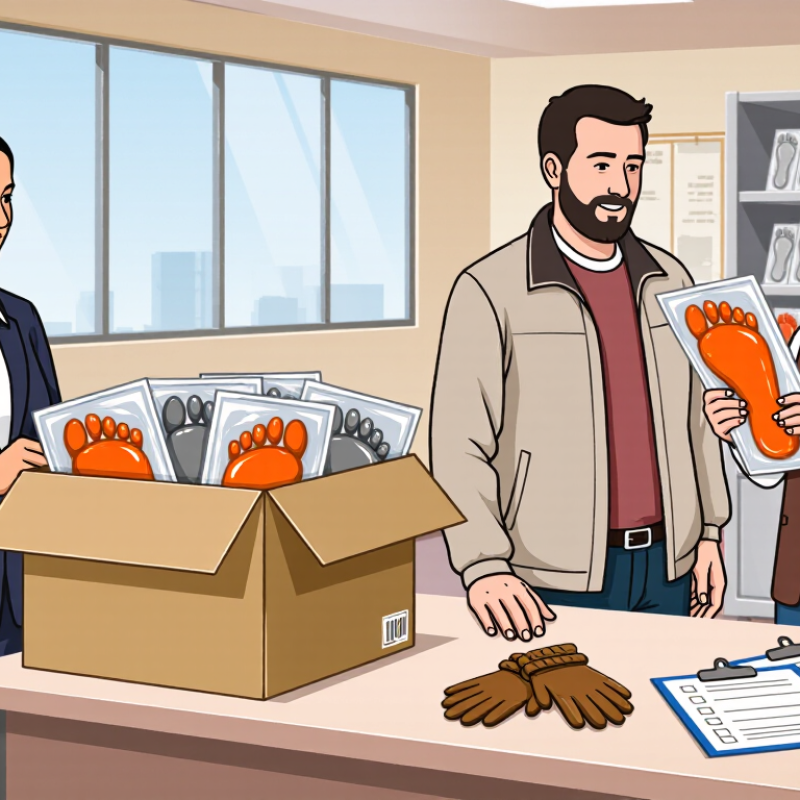
Before requesting quotes, define where and how long the feet warmers will be used. Warehouse staff standing on cold concrete need different coverage from visitors walking outdoors for twenty minutes. Note the expected temperature, exposure time, footwear, moisture, and whether users can replace or recharge the warmers. Small details matter: a thick sock can affect fit, while damp boots may reduce comfort. “Winter use” is not a useful specification by itself.
The U.S. National Weather Service’s Wind Chill Chart estimates that exposed skin can develop frostbite in about 30 minutes at a wind chill of -19°F.
Feet are usually covered, so this is not a direct measure of foot-warmer performance; it does show why outdoor conditions and exposure time belong in the buying brief. Decide whether the order needs single-use or reusable products, a specific size range, individual packaging, and clear activation instructions. Ask suppliers for operating-temperature guidance, safety documentation, and consistent batch details. That matters. It is tempting to choose the lowest-cost option, but an unsuitable warmer can leave staff uncomfortable and unused stock behind. Test a small sample with the actual boots and work routine before placing a large order.

When buying feet warmers in bulk, compare the format before counting cartons. Air-activated packets are thin and convenient for boots, while reusable gel packs need resetting between uses. Electric insoles use resistive heating and require compatible batteries or charging. Heat is not identical. Check the stated warming time and temperature range; both can vary by model and conditions.
Sizes matter as much as heating method. Toe-only packs suit roomy footwear, but full insoles need accurate length and width to avoid bunching. Ask suppliers for size charts and sample units, then test them in the actual boots workers or customers wear. A “one size” label still deserves a fit check. The National Weather Service wind-chill chart indicates frostbite may occur in about 30 minutes at a wind chill of -18°F. That figure is a weather-risk estimate, not a performance test for foot warmers.
For electric styles, review the manufacturer’s safety instructions and applicable testing information, such as UL 499 for electric heating appliances. NIOSH cold-stress guidance also supports treating warmers as one part of cold-weather protection, not a substitute for dry socks and suitable footwear. I would compare bulk prices only after checking fit, heat source, and replacement needs. The paperwork can be less clear than the product.
Compare warming methods and check each product’s size options before ordering. The chart shows approximate heat-duration ranges for portable warmer types; actual performance varies by product, conditions, and use. Plug-in warmers are not included because they can provide heat while connected to power.
For bulk orders, confirm the size or fit range, heating instructions, and product-specific duration with the supplier before purchasing.
When buying foot warmers in bulk, check the materials before comparing prices. Soft fleece covers can feel gentle, while thin seams may rub against toes during long wear. For disposable inserts, inspect the packet for clear ingredients, intact seals, and simple usage instructions. Reusable or electric styles need different checks, including washable covers, sturdy stitching, and reliable temperature controls. Fit matters. A warmer that bunches inside a shoe can feel uncomfortable, even when its fabric seems plush.
Test a small sample before placing a large order. Wear it with the socks and shoes people will actually use; a warm office slipper is not the same as a winter boot. Follow the product’s directions, and look for clear guidance on heat limits, use time, and skin contact. These details matter for older users and anyone with reduced sensitivity. Not every supplier’s sample will match later batches, so compare seams, thickness, and packaging when the full shipment arrives. I used to focus mostly on softness; that was an incomplete measure. Ask about quality checks and batch consistency, but treat broad promises as something to verify, not proof.
Start with a four-week usage log before placing a bulk order. Count how many people need foot warmers each day, and note whether they use one pair or more. Multiply the daily average by the number of planned use days. Add a modest reserve for cold snaps or unexpected demand. Too much stock can tie up cash. Weather and shift changes make estimates imperfect, so leave room to adjust.
Set a unit budget, then compare it with your total available funds. Include delivery costs, packing materials, and any fees in the calculation. A low price per pair may not be the best value if the minimum order exceeds your needs. Keep a small contingency rather than spending every dollar on inventory.
Storage matters. Measure the shelf or cupboard space first, including room to access cartons without crushing them. Store packages in a dry, temperature-stable area, and follow the maker’s storage and shelf-life guidance. One detail is easy to miss: warmers with different activation methods may need separate handling, so check the package instructions before ordering.
Buying feet warmers in bulk starts with checking whether a supplier can meet your actual use case. Ask for material specifications, size ranges, heating or insulation details, and care instructions in writing. Request a sample and inspect stitching, seams, packaging, and comfort after repeated wear. A neat sample is useful, but it does not prove every carton will match. Ask how production batches are checked and what records can be shared.
Get a complete shipping quote before comparing prices. Confirm the dispatch location, packing method, estimated production time, transit window, and who handles freight, insurance, and customs paperwork. Make sure the quote states which party is responsible at each delivery stage. A low unit price can lose its appeal when shipping fees or delays are unclear. Build in extra time. Weather and port congestion can shift arrival dates, even with a reliable carrier.
Read the order policy before paying a deposit. Confirm the minimum order quantity, payment schedule, cancellation terms, and process for reporting shortages or damaged goods. Ask whether replacements, credits, or refunds apply, and what evidence is required. Keep the approved sample and written specifications for comparison. I have learned that small details are easy to miss when ordering quickly. That part deserves a second look. A clear paper trail makes disagreements easier to resolve, though it cannot prevent every production problem.
Bulk-buying planning guide: The quantities, timelines, and thresholds below are suggested comparison points, not guaranteed market terms. Request a current written quote and confirm product specifications before placing an order.
| # | Buying Tip | What to Evaluate | Useful Planning Benchmark | What to Confirm in Writing |
|---|---|---|---|---|
| 1 | Compare product types | Check whether the order is for disposable heat packs, reusable gel warmers, or electric foot warmers. Compare intended use, operating instructions, and storage needs. | Compare like-for-like specifications and packaging; do not assess suppliers on unit price alone. | Product dimensions, materials, power requirements if applicable, included accessories, and package contents. |
| 2 | Request product samples | Inspect comfort, finish, packaging, ease of use, and consistency across samples before approving a large order. | Test samples from each shortlisted product option before committing to a production quantity. | Sample cost, delivery charge, sample lead time, and whether the sample matches the final production specification. |
| 3 | Check supplier capability | Ask about production capacity, quality checks, product documentation, and experience handling repeat or seasonal orders. | Request a written production schedule and the supplier’s inspection process for the proposed order size. | Manufacturing or fulfillment location, quality-control steps, documentation available, and contact for order updates. |
| 4 | Compare minimum order quantities | Review the minimum order quantity (MOQ) for each model, color, packaging option, or customization level. | Compare quotes at the same quantity, such as 100, 500, and 1,000 units, where the supplier permits. | MOQ, quantity-price breaks, mixed-model rules, and any setup or customization fees. |
| 5 | Calculate the landed cost | Include unit price, packaging, shipping, insurance, duties, taxes, and any handling or payment fees. | Compare total delivered cost per usable unit, not just the quoted unit price. | Currency, quote validity period, included charges, excluded charges, and responsibility for import costs. |
| 6 | Review production and dispatch timing | Separate production time from transit time, and allow for peak-season capacity or customs processing. | For planning, request a dated schedule covering order confirmation, production completion, dispatch, and estimated arrival. | Lead-time start point, delay notification process, shipment tracking, and remedies for missed agreed dates. |
| 7 | Compare shipping terms | Check the shipping method, delivery destination, insurance, and which party arranges transport and handles import formalities. | Obtain comparable quotes for the same destination and service level; slower freight may reduce transport cost but extend delivery time. | Named delivery location, freight payer, insurance coverage, customs responsibilities, and any applicable trade term. |
| 8 | Understand payment terms | Review deposit requirements, balance due dates, accepted payment methods, and currency conversion exposure. | Agree on a written payment schedule tied to clear order milestones and keep payment records. | Deposit percentage, payment deadlines, bank charges, refund conditions, and process for resolving billing discrepancies. |
| 9 | Read cancellation and return policies | Find out what happens if goods arrive damaged, defective, incorrect, or later than agreed. Custom orders may have different cancellation rules. | Set a reasonable inspection window after delivery and document any issues with dated photos and quantity counts. | Reporting deadline, evidence required, replacement or credit options, return freight responsibility, and cancellation fees. |
| 10 | Plan storage and reordering | Check shelf-life or storage instructions for heat packs, and power and storage requirements for reusable or electric products. | Set a reorder point using expected demand, supplier lead time, and available storage capacity. | Storage conditions, date or lot coding, replenishment lead time, and availability of the same specification for repeat orders. |