DOWNLOAD CATALOG
Leave Your Message

What Are the 2026 Top Foot Warmer For Feet Types?

Choosing the right Foot Warmer For Feet can feel simple until cold mornings expose its weaknesses. A warm-looking product may still create pressure, uneven heat, or uncomfortable moisture. In 2026, buyers can choose among heated socks, electric foot mats, rechargeable foot warmers, insulated slippers, and chemical-free thermal inserts. Each type suits a different routine.

Heated socks can help outdoor workers, commuters, and people sitting in cold offices. Electric foot mats spread warmth across a desk area, while enclosed warmers create a softer, boot-like environment. Rechargeable designs offer mobility, but battery life depends on temperature, fabric, and setting. Insulated slippers need no charging, although they may feel less powerful in very cold rooms. Small details matter, such as washable liners, breathable materials, automatic shutoff, flexible wiring, and secure charging connections.

This guide compares the leading foot warmer types for 2026 through practical features and everyday use. It considers warmth distribution, comfort, portability, energy use, cleaning, and basic electrical safety. Products should come from reputable manufacturers and include clear instructions, tested components, and suitable temperature controls. Personal experience also matters. A desk worker may prefer a quiet mat, while a camper may need rechargeable socks. No single option fits everyone. That is the honest limitation. Readers should also consider circulation concerns and follow medical advice when needed. A warm foot should feel comfortable, not numb or burning. Small choices can change the whole winter routine.
What Are the 2026 Top Foot Warmer For Feet Types?

Foot Warmers Explained: Purpose, Design, and Main Benefits

What Are the 2026 Top Foot Warmer For Feet Types?

Foot warmers are designed to reduce cold discomfort, support relaxation, and improve indoor comfort. Their main types include electric foot warmers, heated socks, rechargeable insoles, microwaveable packs, and passive fleece booties. Electric models usually use insulated chambers, heating elements, temperature controls, and automatic shut-off systems. Heated socks place flexible elements near the toes and soles. Rechargeable insoles provide portable warmth, but battery life can vary sharply in cold rooms.

Market research reflects growing interest in wearable and heated comfort products. Grand View Research reported that the global heated apparel market was valued at about USD 1.8 billion in 2023, with continued growth expected through 2030. This wider category includes heated socks and insoles. However, market growth does not prove every design is effective. Fit, heating coverage, fabric breathability, and control accuracy matter more than appearance. In practice, thick fleece feels comfortable, but it may trap moisture. That can become unpleasant.

Tips: Choose adjustable heat, visible controls, and automatic shut-off. The U.S. Consumer Product Safety Commission advises checking cords, plugs, and heating surfaces before use. Never sleep with an electric warmer unless its instructions clearly permit it. Keep feet dry, inspect rechargeable batteries, and stop using the product if the skin feels numb or unusually hot. A lower setting often feels safer and remains comfortable longer.

What Are the 2026 Top Foot Warmer Types?

Foot warmers differ in design, portability, heat control, and operating time. This chart compares typical advertised heating durations for common foot-warmer categories; actual performance varies with temperature settings, battery capacity, insulation, and surrounding conditions.

Key takeaway: Disposable chemical toe warmers generally provide the longest continuous warmth, while rechargeable products offer reusable heating and adjustable temperature control.

Electric Foot Warmers: Heated Pads, Slippers, and Foot Massagers

Electric foot warmers are becoming more practical in 2026. The main types include heated pads, warming slippers, and foot massagers with heat. Each design serves a different routine. A heated pad works well beneath a desk or blanket. It warms both feet without restricting movement. Look for adjustable heat levels, soft washable covers, and automatic shutoff features. These details matter during long evening use.

Heated slippers feel more personal. They surround the feet and reduce cold air around the ankles. I find them useful on hard floors, especially during early mornings. However, thick insulation may make feet sweat. A removable lining can help, but cleaning instructions must be clear. Check the size carefully. Loose slippers can reduce warmth and create a tripping risk.

Warm foot massagers combine gentle pressure with heat. Rolling nodes may relax tired soles after standing or walking. Heat should feel comfortably warm, never painfully hot. People with reduced heat sensation should ask a healthcare professional before using heated products. Follow the timer and inspect cords regularly. My first choice is not always the best one. A powerful massager can feel impressive, yet a simple heated pad may suit quiet desk work better. Small controls are easier to use. That matters when your hands are cold.

Non-Electric Foot Warmers: Thermal Socks, Insoles, and Heat Packs

What Are the 2026 Top Foot Warmer For Feet Types?

Non-electric foot warmers remain practical for commuting, camping, and cold indoor floors. Thermal socks trap body heat through dense fibers and layered knitting. They work best inside footwear with enough room for air circulation. Tight shoes can compress insulation and make feet colder. I have noticed this during long outdoor walks.

Warm feet matter.

Insoles add a barrier between feet and frozen ground. Choose flexible designs that do not lift the heel or crowd the toes. Wool-blend or foam-based insoles can improve comfort, but their performance depends on shoe fit and dryness. Damp socks quickly reduce warmth. A spare pair is often more useful than thicker fabric.

Heat packs provide short-term warmth without batteries or charging. Place them over clothing or inside a suitable pocket, never directly against bare skin. Check the temperature regularly, especially during long periods of sitting. Do not use them while sleeping. People with reduced heat sensitivity or circulation concerns should ask a healthcare professional before using them. My own mistake was trusting a warm pack for too long; the skin looked normal at first, but irritation appeared later. Non-electric options are simple, yet they still require attention to fit, moisture, time, and skin response.

What Are the 2026 Top Foot Warmer For Feet Types? - Non-Electric Foot Warmers: Thermal Socks, Insoles, and Heat Packs

Foot Warmer Type How It Produces Warmth Typical Warmth Duration Common Materials Main Advantages Limitations Best Use
Thermal Socks Insulate the feet by trapping warm air and reducing heat loss. Several hours to all day, depending on activity, footwear, and moisture control. Merino wool, wool blends, acrylic, polyester, nylon, and elastane. Reusable, washable, breathable, and suitable for everyday winter wear. Adds bulk; damp fabric and tight footwear can reduce insulation and comfort. Daily commuting, indoor use, hiking, and general cold-weather activities.
Passive Thermal Insoles Create a barrier between the foot and the cold ground while reflecting or retaining body heat. Typically lasts for the life of the insole; warmth is continuous while worn. Foam, felt, wool, fleece, cork, foil layers, and moisture-resistant fabrics. Reduces conductive heat loss, adds cushioning, and requires no batteries or chemicals. May make shoes feel tighter; effectiveness depends on correct trimming and fit. Cold floors, work boots, winter shoes, and standing for long periods.
Air-Activated Heat Packs Iron powder oxidizes after exposure to air, releasing heat through an exothermic reaction. Usually about 5–10 hours, depending on airflow, temperature, and pack design. Iron powder, salt, activated carbon, vermiculite, water, and a breathable outer pouch. Lightweight, portable, convenient, and provides direct warmth without electricity. Generally single-use; heat output can vary and packs should not be placed directly against bare skin. Outdoor events, skiing, hiking, travel, and emergency cold-weather kits.
Reusable Gel Heat Packs Store heat after being warmed in hot water or a microwave, then release it gradually. Approximately 30–90 minutes, depending on size, insulation, and surrounding temperature. Water-based gel or salt solution inside a sealed flexible pouch. Reusable, compact, and useful for short periods of targeted warmth. Needs reheating; may cool quickly outdoors and can leak if damaged. Home, office, rest periods, and short-duration foot warming.
Reflective Foot Warmers Reflect radiant body heat back toward the feet while adding a thin insulating layer. Continuous while worn, with performance affected by fit and the thickness of footwear. Metallized film, foam, felt, and laminated textile layers. Thin, lightweight, reusable in many designs, and effective against cold floors. Does not actively generate heat and may provide less warmth when feet are already very cold. Slim winter footwear, indoor floors, travel, and layering with warm socks.
Safety note: Check the product instructions, avoid placing heat packs directly against bare skin, and inspect feet regularly. People with reduced sensation, diabetes, or circulation problems should consult a healthcare professional before using heat-producing products.

How to Compare Foot Warmer Types for Comfort, Safety, and Efficiency

What Are the 2026 Top Foot Warmer Types?

Choosing a foot warmer depends on comfort, safety, and energy use. Heated socks warm the feet directly and suit outdoor walks or cold bedrooms. They feel light, but batteries may need frequent charging. Electric foot warmers surround both feet with soft insulation. They work well at a desk, though tight interiors can feel uncomfortable.

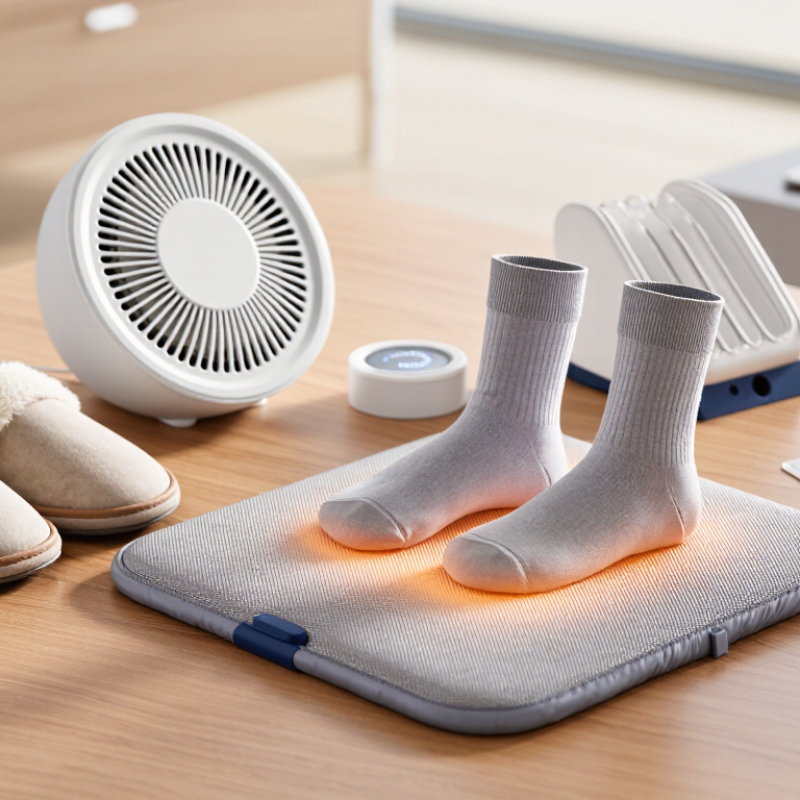
Heated mats spread warmth under slippers or bare feet. They offer steady heat and usually use less power than large enclosed warmers. However, they may warm slowly on a cold floor.

Microwaveable inserts provide portable comfort without cables. Their heat fades quickly, and uneven heating can create hot spots. Check the temperature before placing one against your skin.

Safety should guide every comparison. Look for adjustable controls, automatic shutoff, washable covers, and undamaged wiring. Keep electrical warmers away from water and never fold a powered mat. People with reduced heat sensitivity should ask a medical professional before use.

A simple test helps: warm the device briefly, then check your skin after several minutes. No type wins every comparison. I prefer steady, moderate warmth over intense heat, but personal comfort can change by room, socks, and circulation. Efficiency also depends on insulation; thick slippers may reduce the required setting. Some designs advertise fast heating, yet real performance can vary. That detail deserves closer attention.

Choosing the Best 2026 Foot Warmer for Different Needs and Conditions

What Are the 2026 Top Foot Warmer For Feet Types?

Choosing the right foot warmer starts with the user’s environment, mobility, and circulation. Rechargeable heated socks suit commuters, hikers, and workers who need warmth inside shoes. Heated insoles work better for standing outdoors, especially when loose socks are uncomfortable. Plug-in foot warmers fit desks, sofas, and home offices. Chemical warmers are lightweight, but they offer less temperature control and require careful placement.

Cold feet are not always a simple comfort problem. The International Diabetes Federation’s 2021 Diabetes Atlas estimated that 537 million adults had diabetes worldwide. Diabetes-related neuropathy can reduce heat and pain awareness. The American Diabetes Association warns that nerve damage may increase injury risk. People with neuropathy, poor circulation, or unexplained cold feet should ask a clinician before using direct heat. Never place a high-temperature warmer against bare skin.

Check the product’s temperature range, automatic shutoff, battery safety, and washable parts. Test it for ten minutes while awake. That matters. Older adults may need gentler settings because temperature perception can decline with age. I would not choose the strongest model automatically; more heat is not always better. In practical use, a low setting with dry socks often feels safer and more comfortable. Some designs still create pressure inside tight footwear, which can reduce circulation. That detail is easy to miss.