Top 10 Tips for Choosing the Best Hand Warmers for Cold Weather?
When the winter chill sets in, warm hands are essential for comfort and well-being. According to John Frost, a leading expert in thermal accessories, “The right hand warmer can transform a cold day into a cozy experience.” As we face colder temperatures, choosing the best hand warmers becomes increasingly important.
With a variety of options available, selecting the suitable ones can be overwhelming. Among the numerous products, "Warm Hands Hand Warmers" stand out for their effectiveness. Many people rely on them, but not all hand warmers are created equal. Inconsistent performance and safety issues plague some models. It's crucial to research, reflecting on what works best for your needs.
In the quest for warmth, understanding features is key. Look for models that provide lasting heat, portability, and safety. As you explore choices, consider your own experiences with warmth. Some may prioritize long-lasting warmth, while others seek quick heat-up times. Balancing these needs will guide you toward the right hand warmer for chilly days ahead.

Factors to Consider When Choosing Hand Warmers for Cold Weather
When selecting hand warmers, it's essential to evaluate several factors. Consider the heat duration. Some hand warmers provide warmth for only a few hours, while others can last up to 12 hours. If you'll be outdoors for long periods, opt for longer-lasting options. Temperature range is another crucial aspect. Look for devices that can achieve higher temperatures, especially for extremely cold conditions.
Portability plays a vital role too. Compact and lightweight warmers are easier to carry in pockets or bags. Additionally, think about the heating method. Chemical, electric, and reusable options each have their advantages. Chemical warmers are convenient for emergencies, while electric varieties may require a power source. Prioritize user-friendliness as well. Some products may have complex operation instructions, which can be frustrating in cold weather.
Finally, read reviews. User experiences can reveal drawbacks and advantages not covered in product descriptions. Look for consistent feedback regarding reliability and safety. Keep in mind that personal preferences vary. What works for one person might not suit another's needs. Seeking a balance between efficiency and comfort may take time and experimentation.
Types of Hand Warmers: Disposable vs. Reusable Options
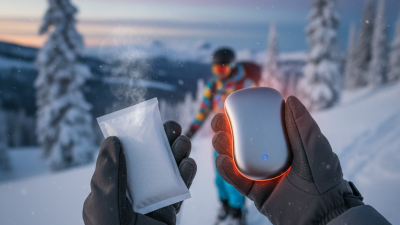
When choosing hand warmers for cold weather, consider the two main types: disposable and reusable options. Disposable hand warmers offer immediate relief. They are compact and ideal for single-use situations, especially during outdoor activities or emergencies. Reports suggest that they can generate heat for up to 12 hours, making them reliable for short outings. However, once used, they contribute to waste, and their efficacy diminishes.
On the other hand, reusable hand warmers can be a more sustainable choice. Many use a gel or liquid that warms upon activation. These devices can last for years, reducing long-term costs. Data shows that they can provide heat for up to 2 hours per cycle. While they may not deliver the instant warmth of disposables, they can be recharged and used repeatedly, making them an eco-friendlier option.
When selecting a hand warmer, consider portability. A lightweight option is ideal for hiking or skiing. Look at the heat duration to match your needs. For long outdoor events, reusable warmers might be best. However, a backup disposable warmer can be helpful for unexpected situations. Remember to evaluate the materials used, as some might not retain heat as effectively. Making an informed choice ensures comfort while being mindful of your environmental impact.
Battery Life and Heating Time: Key Features to Evaluate
When selecting hand warmers, battery life and heating time are crucial aspects to consider. A reliable hand warmer should maintain heat for extended periods, ideally 6 to 12 hours, depending on your needs. Research shows that devices with lithium-ion batteries generally offer better performance in terms of longevity. A study by the Department of Energy indicates that lithium-ion batteries can hold up to 70% charge after 1,000 cycles, making them a popular choice.
Heating time varies significantly across models. Some hand warmers provide heat in as little as 30 seconds, while others may take over 5 minutes. Faster heating is often desired for practicality during cold weather. The average user expects warmth to be readily available, particularly during outdoor activities, such as skiing or hiking. However, there are hand warmers that take longer; these can be frustrating in urgent situations, highlighting the need to thoroughly check specifications before purchasing.
Another aspect to reflect on is the heat range. While some hand warmers generate temperatures up to 130°F, others might only reach 100°F. Lower temperatures may not effectively combat extreme cold. Each individual has unique preferences and tolerances, making it essential to test different devices if possible. Balancing between longevity and effective heating can lead to better satisfaction. Be mindful of your specific requirements to find the ideal balance.
Safety Features: Ensuring Your Hand Warmer Is Safe to Use
When selecting a hand warmer, safety should be a top priority. Look for features like overheat protection. This prevents the device from getting too hot. Many modern hand warmers automatically shut off after a certain period of use. This could help avoid any potential hazards.
Pay attention to the materials used in the construction of the hand warmer. Non-toxic and durable materials are essential. If a hand warmer leaks, it can cause burns or skin irritation. Always check for any warning labels regarding the safe use of the product.
Consider the power source as well. Some hand warmers use electricity, while others rely on disposable batteries. Battery-operated models might pose risks if not handled properly. Always read the instructions thoroughly. This will help prevent accidents. A good hand warmer should enhance your outdoor experience without compromising safety.
Portability and Design: Finding the Right Fit for Your Lifestyle
When choosing hand warmers for cold weather, portability and design play crucial roles. Ideally, you want a warm pocket companion that easily fits in your bag or even your pocket. A lightweight design may be more comfortable for long outdoor activities like hiking or skiing. Consider options that are sleek and not bulky. This helps avoid unnecessary stress on joints or muscles while moving around.
The design should also align with your lifestyle. If you spend time outdoors, look for durable materials that can withstand harsh conditions. Some hand warmers come with clips or straps. This lets you attach them to your backpack or belt. However, a snug and well-fitting design is important. A warm-up that slips out of your hand can be frustrating.
It’s worth reflecting on your actual needs. How often will you use them? Should you opt for electric models, which tend to be heavier? Or will disposable options fit your needs better? Each type has pros and cons. Weighing these factors is essential before making a decision. Don't rush; think about how different models complement your everyday life and adventures.