DOWNLOAD CATALOG
Leave Your Message

China Top 10 Under Eye Mask Manufacturers for Buyers

Choosing an Under Eye Mask manufacturer takes more than comparing product photos or unit prices. Buyers need to examine ingredients, material quality, packaging, production capacity, and communication. Small details matter. A gel patch that slips during wear, a serum that feels sticky, or a pouch that seals poorly can weaken an otherwise promising product. Dermatologist and cosmetic science researcher Dr. Zoe Diana Draelos has noted, “The skin around the eyes is thinner than the skin on the rest of the face.” That makes comfort and careful formula evaluation especially relevant when assessing samples. It does not, by itself, prove that a product will deliver a particular result.

This guide to China’s top 10 Under Eye Mask manufacturers is designed to help buyers compare suppliers with practical questions in mind. It considers product range, customization options, quality-control practices, and export experience, while recognizing that supplier information can change and should be confirmed directly. Request current specifications, sample products, and clear documentation before making a decision. Look closely at the patch’s fit and feel. Ask how packaging and production details are checked. A polished catalog is useful, but it is not enough. No shortlist is perfect; buyer needs differ, and a promising first sample may still need improvement. The aim is a clearer starting point for conversations, not a substitute for independent checks.
China Top 10 Under Eye Mask Manufacturers for Buyers

What Under-Eye Masks Are and How They Are Made

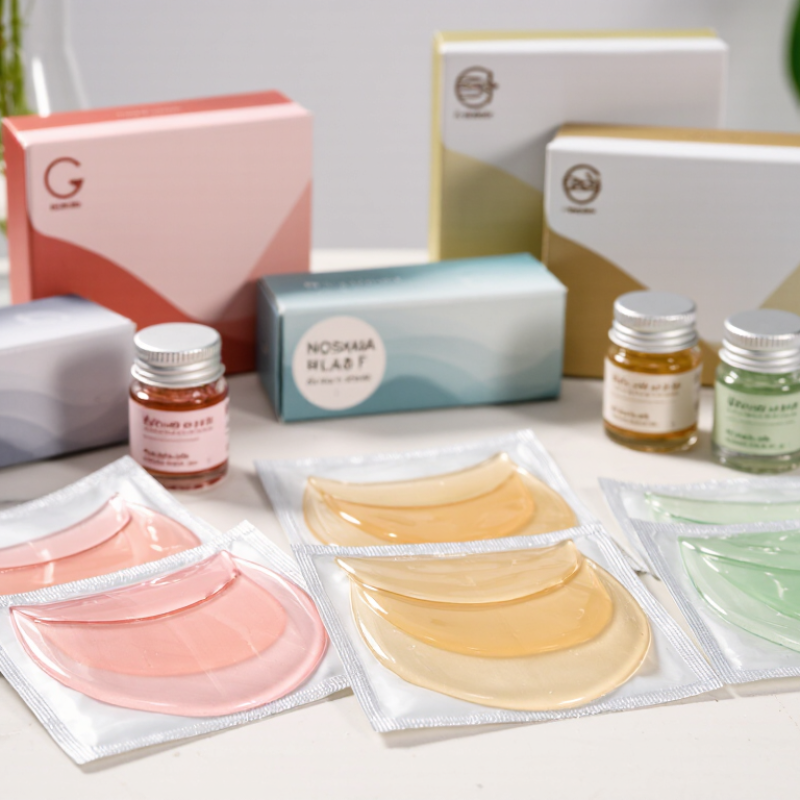
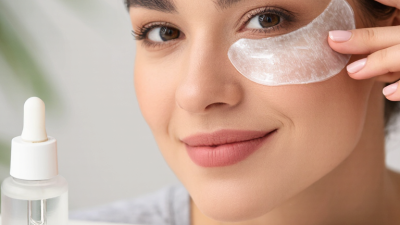
Under-eye masks are small pads shaped to cover the skin below the eyes. They are usually made from hydrogel, nonwoven fabric, or cellulose-based sheets. Each pad holds a water-based formula, often containing humectants such as glycerin. The cool, damp surface can feel soothing and temporarily hydrate skin. It is not a substitute for an eye cream or medical treatment. Small details matter.

Production begins with choosing a pad material and developing a compatible serum. Manufacturers mix and check the formula, then form or cut the pads to size. Hydrogel pads may be cast in molds, while fabric pads are saturated with liquid. Workers or automated equipment place each pair into a sachet, add formula, and seal the package. The exact steps vary by material and facility.

Quality checks can include pad dimensions, fill weight, package seals, and formula testing. A leaking sachet can dry out the pads before use. Buyers should ask how a supplier monitors consistency between batches, rather than relying on a smooth sample alone. More serum does not automatically mean better performance. I would also check whether the pads stay in place when someone sits upright; lab appearance can be misleading.
How to Assess Under-Eye Mask Manufacturers in China

When assessing under-eye mask manufacturers in China, look beyond catalog photos. Ask how they control gel weight, serum fill, and seal quality across production runs. A sample may feel cool and smooth, yet that alone proves little. Request batch records, ingredient specifications, and stability data for the finished product. Check whether the manufacturer can explain how it evaluates leakage, drying, and mask adhesion after storage. Specific answers matter.

Visit the facility when practical, or request a live video walkthrough of mixing, filling, and inspection areas. Look for clean work surfaces, labeled materials, and documented checks—not just new machinery. Ask for samples from more than one batch. Compare their shape, moisture, scent, and fit. Small differences can reveal process variation. Not every supplier will share every record, but vague replies deserve follow-up. A polished sample can hide uneven scale-up; that is easy to overlook. Confirm who handles formula changes, packaging tests, and quality complaints, and agree on measurable acceptance criteria before ordering. Clear communication is useful, though it cannot replace evidence. A short trial order may expose practical problems before larger commitments.

How to Assess Under-Eye Mask Manufacturers in China

Suggested buyer scorecard weighting for comparing manufacturers

Use these suggested weights to structure supplier due diligence, then score each manufacturer against the same criteria. The percentages are a practical evaluation framework, not market-survey results or company-specific data.

China’s Top 10 Under-Eye Mask Manufacturers

China’s Top 10 Under-Eye Mask Manufacturers can be a useful starting point, but “top” should mean suitable for your product brief, not simply popular. Compare manufacturers by mask material, serum compatibility, production controls, and ability to provide consistent samples. Hydrogel and cotton masks feel different on skin and may need different filling and packaging processes. Ask for product specifications, ingredient documentation, and clear details about quality checks. A neat sample is encouraging, but it does not prove every production batch will match. Small details matter.

Tips: Request samples from several suppliers and test fit, adhesion, scent, and serum leakage. Check how each sample is packed, then ask whether the same format is available for bulk orders. Confirm minimum order quantities, lead times, and what happens when a batch fails agreed specifications. Keep written records. It is easy to overlook these basics when a sample looks polished.

For a reliable shortlist of ten, use the same questions and scoring criteria for every factory. Ask whether production is handled in-house or through external partners, and request evidence of relevant quality procedures. Compare responses, not just quoted prices. Some suppliers may answer slowly; that alone is not proof of poor quality, but unclear answers deserve follow-up. I would also revisit the criteria after testing, since the first brief may miss a practical issue such as pouch opening or mask fit.

China Top 10 Under Eye Mask Manufacturers for Buyers - China’s Top 10 Under-Eye Mask Manufacturers

Buyer comparison checklist — not a verified ranking or a list of named companies. Confirm all supplier-specific details directly.

No. Manufacturer Capability Area What Buyers Can Assess Evidence to Request
1 Hydrogel eye patches Availability of hydrogel patch formats, shapes, and thickness options. Product specifications, material details, and samples.
2 Nonwoven sheet patches Substrate options, fit, serum loading, and patch durability. Substrate composition, sample evaluation, and test documentation.
3 Bio-cellulose patches Whether this substrate is offered and how it is stored and packaged. Material specifications, storage guidance, and stability data.
4 Formula development Ability to develop or adapt formulas for the intended market and product brief. Full ingredient list, formulation brief, and applicable safety assessments.
5 Ingredient selection Suitability of proposed ingredients, such as humectants, for the product’s intended claims. Ingredient list, ingredient specifications, and substantiation for proposed claims.
6 Quality management Documented controls for production, inspection, and handling of nonconforming products. Current certificates, audit information, and quality-control procedures.
7 Safety and stability testing Testing appropriate to the formula, packaging, shelf life, and destination market. Relevant test reports, study conditions, and product shelf-life support.
8 Packaging options Compatibility with individual sachets, multi-pair packs, and the chosen patch format. Packaging specifications, compatibility assessment, and sample packs.
9 Customization and order terms Available customization, minimum order quantity, sampling process, and production lead time. Written quotation, approved specifications, and delivery schedule.
10 Export and market documentation Readiness to provide documents required for the buyer’s destination market. Available export documents and confirmation of market-specific requirements.

Supplier capabilities, certifications, minimum order quantities, and lead times vary. Verify current details and applicable regulatory requirements before placing an order.

Comparing Manufacturers by Products, Services, and Production Capacity

When comparing under eye mask manufacturers, look beyond product photos. Check the mask format, material, serum volume, and fit around the nose and cheekbones. A useful shortlist includes hydrogel, fabric, and other available formats. Ask whether formulas and packaging can be adjusted for your target market. Small details matter.

Production capacity should be assessed against your order size and delivery schedule. Request typical lead times, minimum order quantities, and monthly output ranges. Ask how the manufacturer checks batch consistency and handles damaged or delayed orders. A large stated capacity is not enough. Samples can mislead. Confirm that sample quality reflects routine production, not just a specially prepared batch.

Tips: Match the supplier’s capacity to your forecast, not an optimistic sales estimate. Request clear product specifications and a written production timeline. Keep questions specific. No checklist is perfect, and service promises can be hard to compare. Record response times and how clearly technical questions are answered; these details may reveal more than a polished catalog.

What Buyers Should Verify Before Choosing a Supplier

Before comparing under-eye mask manufacturers in China, verify what each facility actually produces. A polished catalog cannot confirm manufacturing capacity. Ask whether the supplier makes the masks in-house or relies on subcontractors, and request a recent facility audit or production overview. Confirm that quality procedures cover incoming materials, batch records, and finished-product checks. Ask for evidence, not broad assurances.

Review the product file carefully. Request the full ingredient list, safety and microbiological test reports, and stability data for the finished formula. Check that the reports identify the tested product and date; a generic certificate may not be enough. Ask how the gel, fabric, and packaging are tested together, especially after exposure to heat during shipping. Samples help. But a sample is not proof that every production batch will match. Test several units and record differences in scent, fit, leakage, or drying.

Commercial details deserve the same attention. Confirm minimum order quantities, production lead times, sample charges, packaging options, and how defects are handled. Ask how lot numbers connect to material records, and whether the supplier can share a traceability example. Compare answers in writing. A spreadsheet helps, though it can make uncertain claims look more certain than they are. Keep records of unanswered questions, too; hesitation or vague replies may matter as much as a low quotation.