How to Choose the Best Under Eye Mask in 2026?
Choosing the best Under Eye Mask in 2026 starts with a simple distinction: a comfortable patch may temporarily hydrate or cool skin, but it cannot erase every dark circle or fine line. The category sits within a much larger skincare market. Grand View Research estimated the global skincare market at about $115.65 billion in 2024 and projected continued growth through 2030. That figure signals strong consumer interest, not proof that any particular under-eye product works. A useful choice depends on ingredients, fit, skin sensitivity, and realistic expectations.
Look closely at the label. Humectants such as glycerin or hyaluronic acid can help draw water into the outer skin layer, while caffeine may temporarily reduce the appearance of puffiness for some users. Evidence and results vary. Cooling can feel soothing, but it is not a lasting treatment. For delicate skin, fragrance, adhesive strength, and wear time matter as much as a glossy promise. Patch-test a new formula, follow its directions, and stop if irritation develops. If swelling or discoloration is persistent or sudden, an eye-care professional or dermatologist can help identify the cause. The evidence is less tidy than the packaging suggests. This guide compares mask materials, key ingredients, and value, so you can choose with clearer expectations—not just a colder patch.
Identify Your Under-Eye Concerns and Skin Type
How to Choose the Best Under Eye Mask in 2026?
Identify Your Under-Eye Concerns and Skin Type
Start by noticing what bothers you most: tight dryness, morning puffiness, or visible dark circles. These concerns can have different causes, so one mask may not address them all. For dry skin, look for moisturizing ingredients such as glycerin or hyaluronic acid. If your skin reacts easily, choose a simple, fragrance-free formula and check the ingredient list for anything you already know irritates you. Keep it simple.
Think about your skin type and the mask’s fit, too. A mask that slips, stings, or feels overly tight is not a good match, even if its claims sound appealing. Dark circles can be related to pigmentation, visible blood vessels, or other factors; a cosmetic mask may offer temporary hydration, but it should not be expected to erase them. I’d be cautious about dramatic before-and-after promises. They can set unrealistic expectations.
Tips: Patch-test first, especially with sensitive skin. Apply masks only as directed, and keep product out of your eyes. A cool mask may feel soothing on puffy mornings, but stop using it if you notice burning, redness, or itching.
Compare Mask Formats, Materials, and Key Ingredients
How to Choose the Best Under Eye Mask in 2026?
Compare Mask Formats, Materials, and Key Ingredients
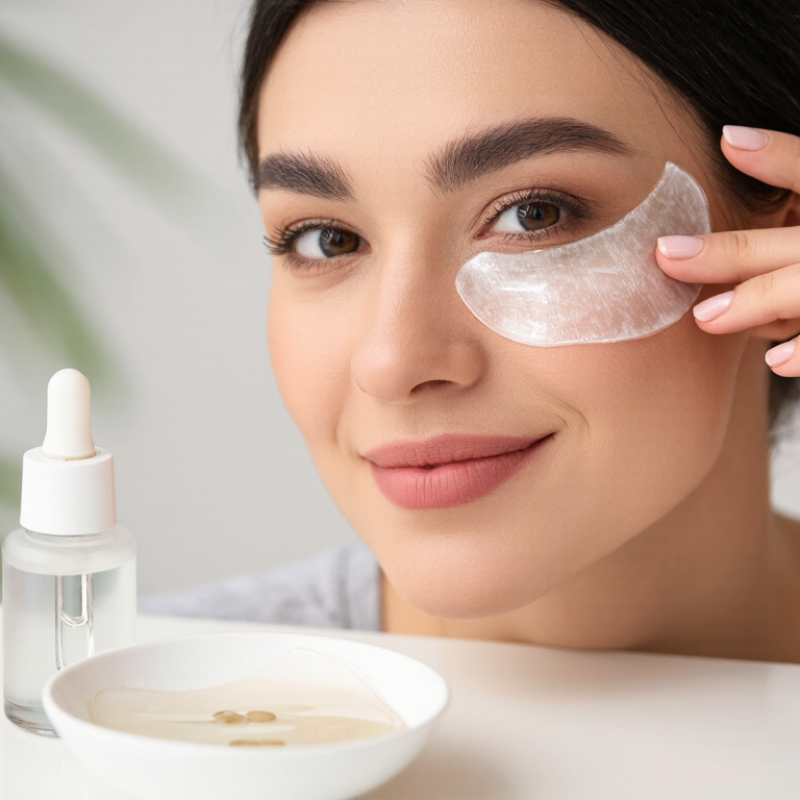
Under-eye masks differ in fit, feel, and how easily they stay put. Hydrogel patches cling closely and feel cool, which can be pleasant after a warm commute. Thin bio-cellulose sheets may hug the skin, but can dry out if left on too long. Cream masks work without disposable patches and suit a quiet evening at home. There is no universally best format; comfort and sensible wear time matter.
Materials are only part of the choice. Check the ingredient list for humectants such as glycerin or hyaluronic acid, which help attract water, and soothing ingredients such as panthenol. Caffeine is often included for a temporarily refreshed look, though results vary. Fragrance can bother sensitive skin. Patch-test first. Keep expectations modest: a mask cannot replace sleep or erase persistent dark circles.
The wider beauty market is expanding, and that means more claims to sort through. McKinsey’s 2023 State of Beauty report projected the global beauty market could reach about $580 billion by 2027, growing roughly 6% annually. That figure covers beauty broadly, not under-eye masks specifically. Still, it helps explain the crowded shelves. Compare ingredient lists, patch size, and wear instructions—not just the word “brightening.” I once assumed a stronger tingle meant a better result. It did not.
Evaluate Fit, Comfort, and Recommended Wear Time
How to Choose the Best Under Eye Mask in 2026?
A good under-eye mask should sit comfortably beneath the eyes without pulling at the skin or sliding toward the nose. Check its shape and size against your face, since one curve may not fit everyone. The edges should rest smoothly, even when you smile or look down. A little movement is normal. Persistent slipping, pinching, or stinging is a reason to remove it. Comfort matters more than a snug-looking fit, and personal fit can take a little trial and error.
Tips: Try a mask while seated for a few minutes. Keep it away from the lash line, and follow the package directions for skin preparation and removal.
Recommended wear time depends on the product, so follow its stated instructions rather than leaving it on longer for a stronger effect. Set a timer if you tend to lose track. If the mask dries out, feels tight, or causes redness or itching, take it off and rinse the area gently. Avoid wearing it overnight unless the directions specifically allow that. Even well-fitting masks may feel different on tired, dry, or sensitive skin. Notice how your skin responds, and adjust your choice next time.
Check Safety Information and Evidence Behind Product Claims
A cooling under-eye mask can feel soothing after a short night, but comfort is not proof of a treatment effect. Check the full ingredient list, directions, expiry date, and package seal before use. Small print matters. Avoid products that hide ingredients behind vague terms or promise to erase dark circles overnight. Skin beneath the eyes is delicate, and “gentle” on a label does not guarantee a reaction-free experience.
Look for clear, specific claims and ask what evidence supports them. A mask may temporarily hydrate skin or reduce the look of puffiness; that effect can fade within hours. Evidence for lasting changes to wrinkles or pigmentation is less convincing. Claims need context. Be cautious when a product promises dramatic results without explaining how they were measured. I would not assume that a popular ingredient works equally well in every formula.
Follow the label, keep the mask out of your eyes, and do not apply it to irritated or broken skin. If recommended, test a small amount on a discreet area first. Remove it and rinse gently if burning, swelling, or persistent redness occurs. Even careful testing cannot predict every reaction. If you have ongoing irritation, allergies, or an eye condition, ask a qualified health professional before trying a new product.
Compare Cost per Use and Choose the Best Match
How to Choose the Best Under Eye Mask in 2026?
Compare Cost per Use and Choose the Best Match
The lowest shelf price does not always mean the best value. Divide the pack price by the number of pairs to find the cost per use. A pack with 12 pairs costing $18 works out to $1.50 per application. Check the directions, too: some masks are designed for one use only. Reusing a disposable pair can affect hygiene and performance.
Match the mask to your routine and skin’s needs. If puffiness is your concern, a cool, comfortable gel mask may feel refreshing in the morning. For dry-feeling skin, look for moisturizing ingredients such as glycerin. Ingredients do not guarantee a particular result, and fragrance may bother some people. Patch-test a new product first, especially if your skin is sensitive.
Consider fit, wear time, and packaging waste alongside price. A mask that slides down while you get dressed may be poor value, even when each pair costs little. I still find this easy to overlook. Try one pair before buying a large pack, and note whether it stays put for the recommended time. Compare similar pack sizes, since small packages can make the per-use cost look less obvious.
How to Choose the Best Under-Eye Mask in 2026
Compare the example cost per use to find the format that fits your budget.
Example pricing: $3 for one pair, $12 for 10 pairs, and $24 for 30 pairs. Cost per use is pack price divided by the number of pairs; actual prices vary by retailer and location. Choose a single pair to try a mask, or compare multi-packs if you use them regularly.