Choosing Heated Pads For Periods is less about finding the hottest option and more about matching comfort to your routine. A soft pad may feel soothing while you sit at a desk, but its size and cord can matter when you move around. Check the heat settings, control placement, and automatic shutoff before comparing colors or extra features. Small details matter.
Look for clear care instructions, a removable washable cover, and materials that feel comfortable against your skin. If you have sensitive skin, start with a low setting and follow the manufacturer’s guidance on use and placement. Heat preferences vary. A compact pad may suit travel, while a wider design can cover more of your lower abdomen or back. Think about where you feel discomfort and how long you expect to use the pad each time.
Price alone cannot tell you whether a product is well made, so review specifications and look for consistent, credible customer feedback. Be cautious of vague claims about pain relief; a heating pad can offer comfort, but it does not identify or treat every cause of menstrual pain. If cramps are unusually severe, new, or disrupting daily life, consider speaking with a qualified healthcare professional. The ten tips ahead will help you compare practical features, use instructions, and everyday comfort without assuming one design works for everyone. Your routine is a useful starting point.
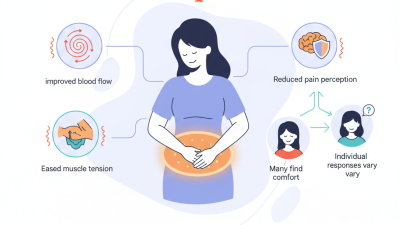
A warm pad across the lower abdomen can ease period cramps for some people. Heat may help relax tense muscles and soften the sharp, gripping feeling. It is comfort, not a cure. That distinction matters. When comparing pads, look for adjustable heat settings so you can start low and find a comfortable level. A soft, flexible design may sit better against your belly while you rest or read. Check the size, too: a small pad can leave part of the cramping area uncovered.
Small details count. Choose a model with a clear temperature control and automatic shutoff, especially if you tend to doze off. A washable cover helps with everyday care; follow its cleaning instructions. If the pad uses a cord, make sure it reaches your usual resting spot without pulling. Battery-powered options offer more movement, but check their expected runtime. Place fabric between the pad and your skin if the surface feels too hot, and check your skin regularly. Don’t use heat on numb or irritated skin, and avoid falling asleep with it switched on. I’ve found that the “strongest” setting is not always the most soothing. If cramps are severe, suddenly different, or disrupting daily life, speak with a healthcare professional.
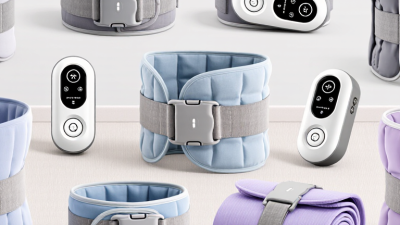
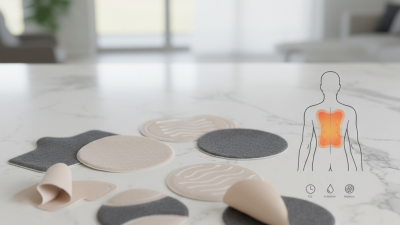
Choose a pad shape based on where you feel cramps most often. A compact, rounded pad may sit comfortably on the lower abdomen, while a longer shape can cover more of the belly or lower back. Measure the area over clothing with a soft tape measure. A product photo can be misleading.
Fit matters. A pad that is too narrow may shift when you sit; one that is too large can bunch under a waistband. Think about your usual routine: Do you work at a desk, curl up on a sofa, or move around? For a chair, a slim design may feel less bulky. For lying down, broader coverage might be more useful. Small details count.
Check the actual heated area, not just the full product dimensions. Some pads have unheated edges or a control unit that needs room nearby. Look for clear instructions on placement, cleaning, and heat settings. I would not assume a larger pad is automatically better; it may be awkward to position. Try it over fabric as directed, and stop using it if your skin feels uncomfortable. Comfort can be oddly personal. A fit that works during one cycle may feel different the next.
Heat settings matter more than a long list of features. For period cramps, a low or medium setting may feel comfortable during a workday; higher heat can become unpleasant against skin. Start low and follow the product’s instructions. A simple control button is handy when you’re curled on the sofa, while tiny labels can be frustrating. Check whether the pad holds a steady temperature or cycles automatically. Comfort varies. It’s tempting to choose the hottest setting, but that alone is a poor way to judge a pad.
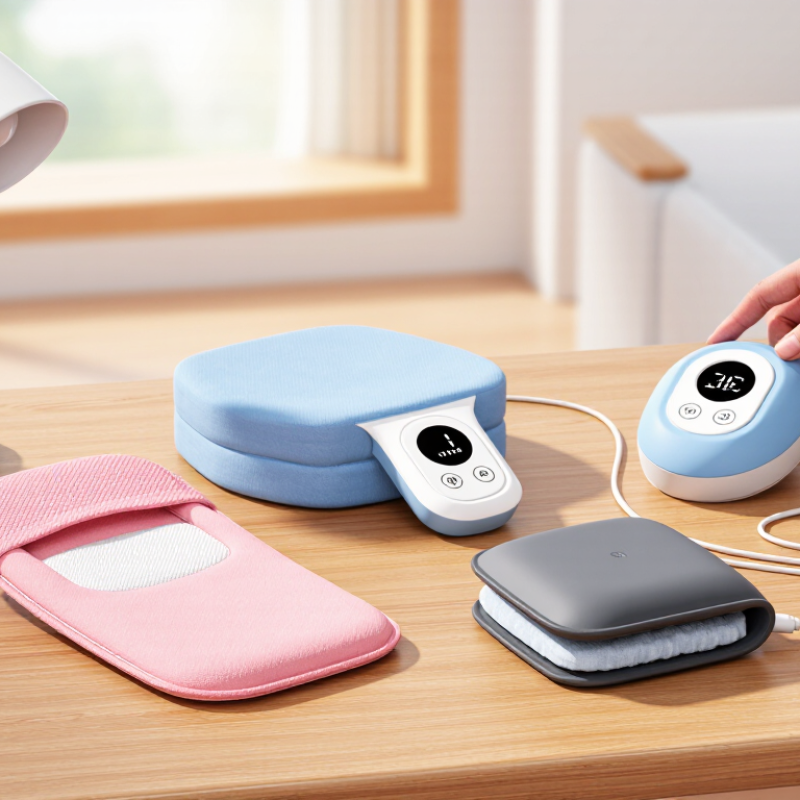
Match the power source to where you’ll use it. A wall-powered pad can suit a bedside routine, though its cord may limit movement. A rechargeable one is easier to carry, but compare charging time and stated runtime at different heat levels. Runtime often drops on high, and battery age or room temperature may affect it too. A long advertised runtime might not match everyday use. Look at the pad’s weight, fastening, and automatic shutoff if you’ll wear it under clothing. Test the controls at home before relying on them during a commute, and check the instructions before using the pad while asleep.
A heating pad should make period care simpler, not add another worry. Check the safety label and instruction booklet before buying. Look for overheat protection and an automatic shutoff timer. These features can reduce risk if you doze off, though they do not make every pad safe for sleeping. Use it only as directed.
Inspect the cord and plug in product photos, and check that the pad lies flat without exposed wiring. A removable, washable cover is useful after spills, but confirm the care instructions first. Controls should be easy to reach from your usual resting spot.
Small detail, big difference.
A clear temperature display and simple buttons are easier to use when cramps make you tired. Check whether the pad offers several heat settings, so you can start low and adjust gradually. Place a thin layer of clothing between your skin and the pad if the instructions recommend it, and check your skin now and then.
It is tempting to choose the softest or warmest option, but comfort is personal; very high heat is not automatically better.
Think about what might annoy you after a week, too: a short cord, stiff fabric, or controls that are hard to see in dim light. Safety features matter most when they fit naturally into your routine.
When choosing a heated pad for period cramps, check the fabric that touches your skin and the stitching around its seams. A soft, breathable cover may feel less clammy during longer sessions, while a removable cover is easier to wash. Look for clear care instructions and adjustable heat settings, rather than relying on broad comfort claims. Fit matters. A pad that rests securely over your lower abdomen may be more useful than extra features you will rarely use.
Check whether the heating unit detaches before washing; never assume the entire pad is machine-washable. For portability, compare its weight, cord length, storage pouch, and control placement. A compact pad may suit a desk or travel bag, but a short cord can limit where you use it. Small detail, big difference.
Set a realistic budget, then compare warranty terms, washable parts, and replacement-cover costs alongside the purchase price. The cheapest option may be poor value if cleaning is awkward or the fabric wears quickly. Still, a higher price does not guarantee better comfort. Tip: Measure the area you want covered, read the care label, and check return conditions before buying. Cord placement is easy to overlook, but it can matter on a cramped couch.