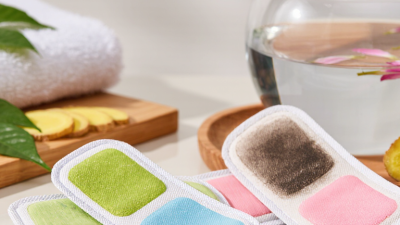
Period cramps can turn an ordinary morning into a slow, uncomfortable negotiation with your body. A warm pad across the lower abdomen may ease that tension while you rest, work, or travel. This guide reviews the Top 10 Heated Pads for Period Cramps in 2026, focusing on comfort, heat control, coverage, portability, and everyday reliability.
The phrase Heated Pads For Periods includes several product types, from compact electric wraps to cordless designs with rechargeable batteries. I compared practical details such as adjustable temperature settings, fabric softness, timer functions, cleaning instructions, and pressure around the waist. Small details matter. A stiff cable can ruin a quiet evening. A narrow pad may leave painful areas uncovered. Safety remains important, especially for overnight use, sensitive skin, or reduced heat sensation. Manufacturer instructions and established medical guidance should always take priority.
No ranking fits every body. Some users prefer gentle, even warmth, while others want stronger heat for short periods. I may have overlooked a useful feature because comfort is difficult to measure objectively. That limitation deserves honesty. These products are comfort tools, not guaranteed medical treatments, and persistent or severe pain should be discussed with a qualified healthcare professional. Each selection below balances real-world usability with careful product research, helping readers choose a heated pad that feels practical, safe, and worth keeping nearby when cramps arrive.
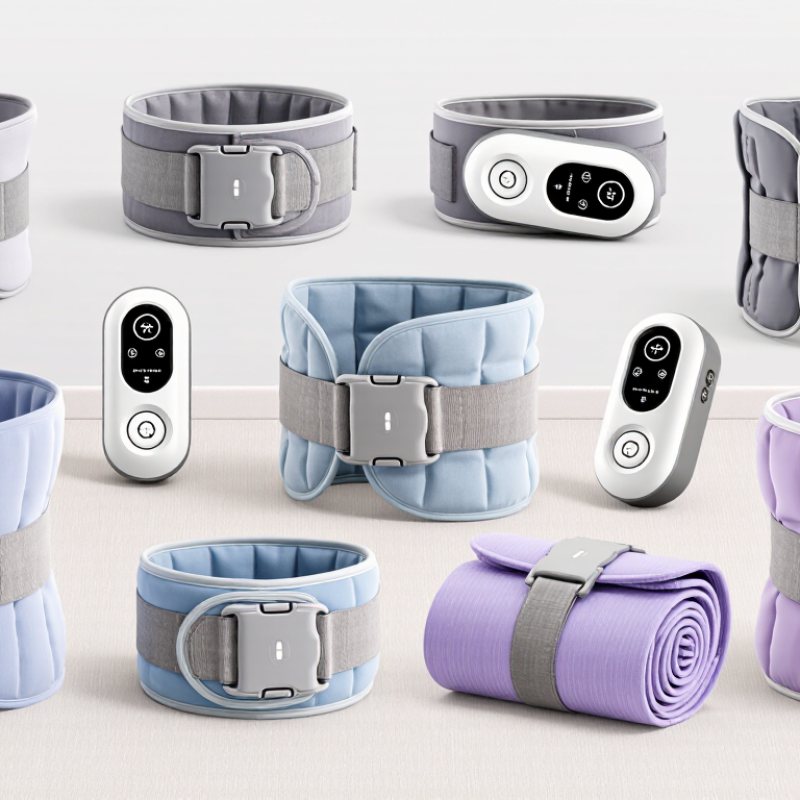
A heated pad can ease period cramps by warming the lower abdomen and back. The heat encourages local blood vessels to widen. This may improve circulation and relax tense uterine and surrounding muscles. Warmth can also reduce how strongly pain signals reach the brain.
Place the pad over clothing or a thin towel. Use a low or medium setting for about 15 to 20 minutes. Check your skin during use. It should feel comfortably warm, never hot, numb, or burning. Avoid sleeping with a heated pad, even when cramps interrupt rest. People with reduced skin sensation should ask a healthcare professional before using one.
Heat works best as part of a wider comfort plan. Gentle walking, hydration, rest, and clinically appropriate pain relief may also help. It is easy to expect too much from warmth. A pad may soothe symptoms without addressing unusually severe bleeding or sudden pain. Seek medical advice if cramps worsen, disrupt daily activities, or appear with fever, faintness, or unexpected bleeding. I would also avoid relying on heat alone when symptoms change noticeably. That small mistake can delay proper care.
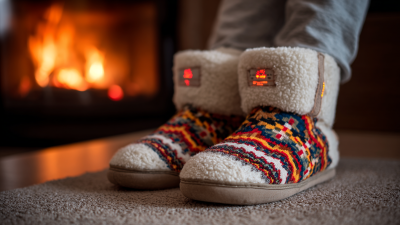
Choosing among the top 10 heated pads for period cramps in 2026 requires more than checking temperature settings. The American College of Obstetricians and Gynecologists reports that more than half of menstruating women experience painful periods. A suitable pad should provide even heat across the lower abdomen, not only a hot central spot. Look for adjustable settings, a low-temperature option, and a timer that shuts the device off automatically.
Comfort matters during real use. Choose a flexible cover that follows the body while sitting or lying down. A long, detachable cord can reduce awkward movement. The heating surface should feel soft, but not trap excessive moisture. Independent safety testing is valuable. The U.S. Consumer Product Safety Commission has repeatedly warned about burns and fire risks linked to unattended heating products. These warnings are easy to ignore. That is a mistake.
Tips: Test the lowest setting first. Place a thin fabric layer between skin and pad. Avoid sleeping with active heat unless the product clearly supports it. A 2024 Cochrane evidence review found that heat may ease menstrual pain, but the supporting studies remain limited and sometimes inconsistent. Therefore, “more heat” does not automatically mean “better relief.” I would also question oversized designs; they may cover more area but can feel heavy and shift during movement. Check washable components, warranty details, and clear instructions before buying.
| Rank | Heated Pad Type | Approx. Size | Heat Settings | Typical Temperature Range | Timer / Auto Shut-Off | Power Source | Washable Cover | Best Use | Key Selection Note |
|---|---|---|---|---|---|---|---|---|---|
| 1 | Large Flexible Body Pad | 24 × 33 in (61 × 84 cm) |
6 levels | Approx. 95–140°F (35–60°C) |
30–120 minutes | AC adapter | Usually available | Lower abdomen, back, and hips | Choose a wide, flexible surface for broader cramp coverage and comfortable positioning. |
| 2 | Contoured Abdominal Wrap | 12 × 24 in (30 × 61 cm) |
4–6 levels | Approx. 100–145°F (38–63°C) |
30–90 minutes | Rechargeable battery | Often spot-clean only | Hands-free abdominal relief | Look for adjustable fastening and a heating zone centered over the lower abdomen. |
| 3 | Moist Heat Pad | 12 × 24 in (30 × 61 cm) |
3–4 levels | Approx. 100–150°F (38–66°C) |
20–60 minutes | AC adapter | Removable insert preferred | Short relaxation sessions | Moist heat can feel more penetrating, but the pad must be used exactly as directed to avoid excess moisture. |
| 4 | Microwavable Weighted Pad | 10 × 20 in (25 × 51 cm) |
Heat duration varies | Depends on heating time | No electronic timer | Microwave-heated | Cover usually washable | Portable home use | Check the heating instructions carefully because overheating can damage the filling or fabric. |
| 5 | Cordless Rechargeable Belt | 5 × 22 in (13 × 56 cm) |
3 levels | Approx. 100–130°F (38–54°C) |
15–60 minutes | Rechargeable battery | Hand-wash or wipe-clean | Light movement and travel | Compare battery runtime, charging time, belt stability, and the weight of the battery module. |
| 6 | Dual-Zone Abdomen and Back Pad | 14 × 27 in (36 × 69 cm) |
Independent zone control | Approx. 95–140°F (35–60°C) |
30–120 minutes | AC adapter | Usually available | Front-and-back menstrual discomfort | Separate controls are useful when the abdomen and lower back need different heat levels. |
| 7 | Small Targeted Heating Pad | 12 × 15 in (30 × 38 cm) |
3–6 levels | Approx. 95–145°F (35–63°C) |
30–90 minutes | AC adapter | Commonly available | Focused lower-abdominal heat | A compact pad is easier to store and may be preferable for users who dislike bulky wraps. |
| 8 | Low-Heat Sleep-Oriented Pad | 12 × 24 in (30 × 61 cm) |
3–4 levels | Approx. 95–125°F (35–52°C) |
Up to 120 minutes | AC adapter | Usually available | Pre-bedtime relaxation | Prioritize automatic shut-off and lower temperature options; heated pads should not be used while asleep unless specifically designed for that purpose. |
| 9 | Heat-and-Massage Wrap | 8 × 22 in (20 × 56 cm) |
3 heat levels | Approx. 100–135°F (38–57°C) |
15–60 minutes | Rechargeable battery or AC | Usually wipe-clean | Heat combined with gentle vibration | Review vibration intensity, noise level, and whether the massage function can be used independently. |
| 10 | Extra-Long Back-and-Abdomen Pad | 24 × 60 in (61 × 152 cm) |
4–6 levels | Approx. 95–140°F (35–60°C) |
30–120 minutes | AC adapter | Usually available | Full torso and lower-back coverage | Best for stationary use; check cord length, controller placement, storage space, and even heat distribution. |
Top 10 Heated Pads for Period Cramps should be judged by comfort, temperature control, safety, and practical design, not advertising claims. A suitable pad should cover the lower abdomen, warm evenly, and include automatic shutoff. Multiple heat levels matter because cramp sensitivity changes during the day. A soft, washable cover also helps when the pad touches skin for longer periods. Cordless designs offer freedom, but their battery life needs careful checking.
Clinical evidence supports cautious use. A Cochrane review on heat therapy for primary dysmenorrhea examined three randomized trials involving 111 women. It reported possible pain relief, but rated the evidence as limited and low quality. The American College of Obstetricians and Gynecologists also lists heating pads among common comfort measures for menstrual pain. Therefore, the top 10 options should not promise to treat an underlying condition. They should provide controlled warmth.
My ranking would favor stable heat over maximum temperature. Too hot is not better. I would test each pad on the forearm first, use a fabric layer, and avoid sleeping with an active device unless its safety guidance allows it. One weakness remains: many product comparisons measure features, not real-world pain relief. Personal fit matters more than a perfect score. Persistent, severe, or newly worsening cramps deserve professional medical evaluation.
Our 2026 comparison focuses on heat settings, comfort, safety, and price. The ten leading pads usually offer three to six temperature levels. Lower settings feel gentle during long use, while higher settings can ease sharper cramps faster. A 2023 systematic review in Scientific Reports found that heat therapy consistently reduced menstrual pain, although many studies had small samples. That limitation matters. Evidence is promising, not perfect.
Comfort depends on more than softness. Flexible designs fit the lower abdomen better, especially when sitting. A washable cover helps with hygiene. Auto shut-off, insulated wiring, and stable temperature control improve safety. The American College of Obstetricians and Gynecologists lists local heat as a self-care option for period pain. Typical retail prices range from about $25 to $80. Higher cost does not always mean better comfort.
Tips: Start on low heat for 10 minutes. Place fabric between skin and the pad. Do not sleep with it switched on. Check the cord, controller, and cover before every use. Stop if skin becomes red, numb, or unusually warm. People with reduced heat sensitivity should ask a healthcare professional first. My ranking would favor reliable temperature control over extra settings. More buttons can create convenience, but sometimes they add clutter.
During menstruation, a heated pad may relax tense abdominal muscles and ease cramping. Place it over the lower abdomen or lower back, with a thin cloth between the pad and your skin. Choose a low or moderate setting first. Warmth should feel soothing, never sharp, burning, or intensely hot. Use it for about 15 to 20 minutes, then remove it and check your skin.
Do not sleep with a heated pad. Avoid using one on broken, irritated, or numb skin. People with diabetes, reduced sensation, or circulation problems should ask a healthcare professional before using heat. Keep electric pads away from water, inspect the cord, and unplug the device after use. Follow its temperature and time instructions, even if the cramps feel stubborn.
A common mistake is turning the heat higher when relief feels slow. More heat is not always better. I would also avoid placing the pad directly on bare skin, especially during long periods of sitting. Stop immediately if you notice redness, blistering, dizziness, or unusual pain. Heat can support comfort, but it cannot explain severe or new menstrual pain. Seek medical advice if cramps disrupt daily life, worsen suddenly, or occur with fainting, fever, or unusually heavy bleeding.