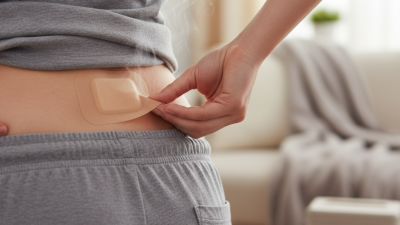
How to Choose the Best Heating Patch for Pain Relief?
Choosing the right heating patch for pain relief can be daunting. With countless options on the market, it's essential to make an informed decision. Dr. Emily Johnson, a leading expert in pain management, emphasizes, "A good heating patch can transform your comfort and speed up recovery." This highlights the importance of selecting the best product for your needs.
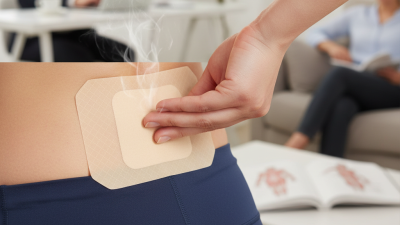
Heating patches have gained popularity for their convenience and effectiveness. These portable patches can target pain areas directly. They come in various sizes and temperatures, making it crucial to understand what fits your requirements. The right patch can provide significant relief from muscle tension, menstrual cramps, or joint pain.
However, not all heating patches deliver the same results. Some may claim fast relief, but fail to meet expectations. It's vital to research products and read reviews before making a choice. Factors like duration of heat and adhesive strength can impact your experience. Selecting a quality heating patch demands careful consideration. Take your time to explore options and find the one that works best for you.
Understanding Different Types of Heating Patches for Pain Relief
When choosing a heating patch for pain relief, it's essential to understand the different types available. Several heating patches use varying methods to produce heat. Some rely on chemical processes, while others are electrically powered. Chemical heating patches typically offer instant warmth through a mix of ingredients that activate upon exposure to air. They are portable and user-friendly, perfect for on-the-go relief.
On the other hand, electric heating patches provide controlled warmth. They often come with adjustable settings, allowing users to select their desired temperature. This feature can be beneficial for chronic pain sufferers, as they can customize their experience. However, they require a power source, which can be limiting for some users.
Both types have their advantages and downsides. Chemical patches may not last long and can irritate the skin, while electric patches can be cumbersome or uncomfortable to wear. Evaluating individual needs is key. Consider factors like pain intensity, skin sensitivity, and lifestyle before deciding. Each option has its unique aspects that cater to varying preferences in pain management.
Evaluating the Ingredients and Materials Used in Heating Patches
When selecting a heating patch for pain relief, it is essential to examine the ingredients and materials used. Look for heating patches that utilize safe, reliable ingredients. Commonly used materials include natural substances and safe adhesives. Understanding these components allows you to assess potential skin reactions. Patches made with high-quality materials usually provide more effective pain relief.
Another crucial point is the temperature control capability. Some heating patches offer adjustable heat settings. This feature allows you to customize the temperature to your comfort level. However, too much heat may lead to burns or irritation. Always read the instructions carefully and monitor your skin condition during use.
Inconsistent results are common with heating patches. Some may provide immediate relief, while others may not. This disparity can stem from individual sensitivity or patch formulation. Reflection on your experience is vital to find the best fit for your needs. Keep a note of what works for you and what doesn’t. Over time, you will develop a better understanding of your pain management preferences.
Assessing the Duration and Temperature Control Features of Heating Patches
When choosing a heating patch for pain relief, consider duration and temperature control. The effectiveness of pain relief depends on how long the heat lasts. Some patches provide heat for just a couple of hours, while others last much longer. Prolonged heat may offer consistent relief for chronic pain conditions, such as arthritis or muscle tension.
Temperature control features are essential. A patch that allows you to adjust the heat can enhance comfort and effectiveness. Some people may prefer lower temperatures for sensitive areas, while others need a higher temperature for deeper muscle relief. Look for patches that ensure even heat distribution to avoid hotspots, which can be uncomfortable or lead to skin irritation.
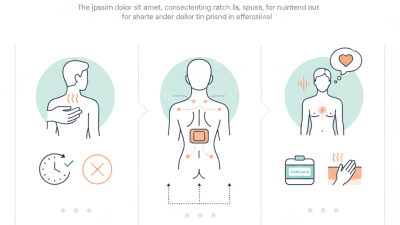
Tips for selecting the right heating patch: Always check the heat settings before applying the patch. Test the temperature on your wrist to gauge comfort. Monitor your skin regularly to prevent burns or irritation. Remember, everyone's pain threshold varies, so take time to find the heat level that works best for you. Additionally, reflect on your experience with various patches. This approach helps you understand which features truly benefit your pain management.
Considering Size, Shape, and Adhesiveness for Optimal Comfort
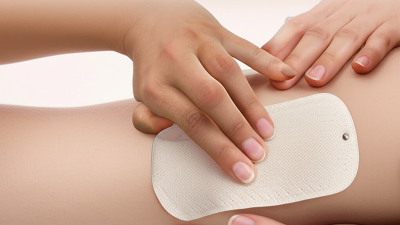
When choosing a heating patch for pain relief, size, shape, and adhesiveness are crucial factors. The right size can enhance effectiveness. A patch that is too small may not cover the painful area adequately. Conversely, a patch that is excessively large may feel uncomfortable or cumbersome. Aim for a patch that fits snugly over the pain zone, providing targeted heat for optimal relief.
Shape also plays a significant role in comfort. Curved or contoured patches often conform better to the body’s natural lines. This can help in areas such as the neck or lower back. When a patch is specifically designed for a shape, it provides a more efficient heat application. Additionally, consider the adhesiveness. A patch that stays securely in place while you move is essential. A reliable adhesive allows you to go about your daily activities without the patch shifting or peeling off.
Reflect on the features that matter most to you. Some people may prioritize portability, while others may value longer-lasting heat. Everyone's experience with pain and comfort varies. Testing different patches can offer insights into what works best for you. It’s important to stay flexible and open to adjustments.
Reviewing Safety Guidelines and Precautions for Heating Patch Use
When considering the use of heating patches for pain relief, safety should be a top priority. A report from the American Pain Society emphasizes that while heating patches can provide significant relief, improper use can lead to skin burns or other injuries. It’s essential to follow the instructions provided with the patch and ensure it has a safety certification. Users should not ignore signs of skin irritation or redness. Research indicates that nearly 20% of users have experienced discomfort due to excessive heat or prolonged application.
Additionally, individuals with certain medical conditions must exercise caution. For instance, those with diabetes or circulatory issues are at a higher risk for skin damage. According to the Journal of Pain Research, patients with neuropathy should avoid heating patches entirely. They may lack the sensation to detect harmful temperatures, leading to serious complications. It’s best to consult a healthcare professional before starting any treatment.
Regularly checking the heating patch during use is essential. Even if the patch feels comfortable, it should not be kept on for extended periods, as this increases the risk of thermal injuries. Incorporating proper safety measures can make heating patches a valuable tool for pain management while minimizing risks. Remember, it’s vital to stay informed about your unique health needs and adapt as necessary.
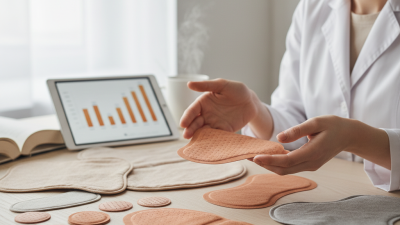
Comparison of Heating Patch Types for Pain Relief