What Are the Benefits of Using Heat Patches for Pain Relief?
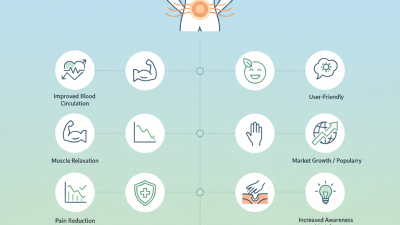
Heat patches have gained popularity for their effectiveness in relieving various types of pain. These portable thermal solutions provide targeted warmth, making them a convenient choice for many suffering from muscle aches, back pain, or menstrual cramps. When applied to the skin, a heat patch increases blood flow to the area, promoting healing and relaxation.
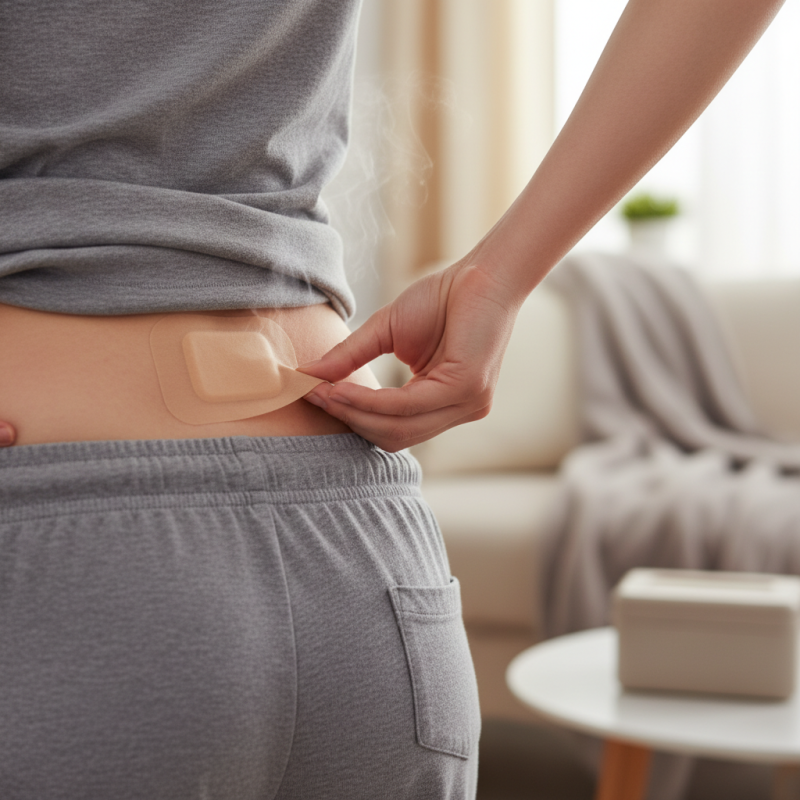
Many people appreciate the ease of using heat patches. They can be worn under clothing, allowing for mobility and comfort throughout daily activities. Additionally, different types exist, catering to individual needs. Some are designed for extended wear, while others deliver quick heat. However, individuals should consider their specific pain conditions when choosing a heat patch.
Despite their benefits, not all heat patches are created equal. Users should be cautious about the heat levels to prevent burns. Moreover, the effectiveness may vary among individuals. It’s essential to consult a healthcare professional for personalized advice before using heat patches as a primary treatment method.
Understanding Heat Patches: How They Work for Pain Relief
Heat patches have gained popularity for pain relief, especially for sore muscles and joint discomfort. These patches work by delivering a consistent source of heat directly to the affected area, which helps relax tense muscles. The warmth increases blood flow, encouraging healing and reducing stiffness. It's fascinating how something so simple can provide comfort during everyday activities.
When applied, heat patches can offer immediate relief from chronic pain. The soothing heat penetrates deep into tissues, providing targeted relief where it matters most. Many users appreciate the convenience, as they can wear these patches discreetly. Some may find that the relief isn't enough for severe pain, indicating the need for a comprehensive approach to pain management.
Though heat patches can be effective, individual experiences vary. Some might find them too hot or uncomfortable for extended wear. Adjusting the application time or location can sometimes mitigate discomfort. It’s essential to listen to your body and assess how well these patches work for you. Their efficacy relies not just on heat but also on personal tolerance and lifestyle choices.
Benefits of Using Heat Patches for Pain Relief
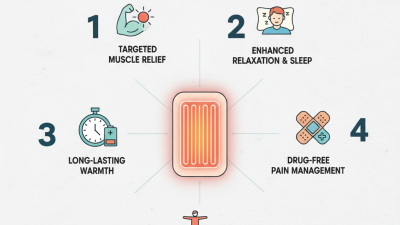
| Benefit |
Description |
| Improves Blood Circulation |
Heat patches can help dilate blood vessels, promoting improved blood flow to the affected area, which aids in healing. |
| Relaxes Muscles |
Applying heat can help to relax tight muscles, reducing stiffness and discomfort. |
| Reduces Pain |
Heat patches can provide soothing relief from pain by blocking pain signals to the brain and promoting the release of endorphins. |
| Convenient and Portable |
Heat patches are easy to use and can be worn discreetly, allowing for pain relief on the go. |
| Non-Invasive Treatment |
Heat patches provide a non-invasive option for managing pain without the need for medication or injections. |
| Long-Lasting Relief |
Many heat patches offer extended release of heat for several hours, providing prolonged relief from pain. |
Key Benefits of Heat Patches for Chronic Pain Management
Heat patches offer significant advantages for managing chronic pain. They provide localized warmth that soothes discomfort. This gentle heat improves blood circulation in the affected area. Increased blood flow speeds up the healing process. Many people find that heat patches help reduce muscle tension. This can lead to improved flexibility, making daily activities easier.
Using heat patches is also convenient. They are often easy to apply and can be worn discreetly. Some patches are designed to adhere to the skin for hours, providing continuous relief. However, users should be mindful of potential skin irritation. Not everyone may find this method effective. Some may need to combine heat therapy with other pain management techniques.
Chronic pain can be unpredictable. Heat patches can be particularly useful during flare-ups. They allow individuals to maintain a level of comfort despite their pain. It's important to experiment with heat therapy to find the best approach. Listening to your body’s signals is key to effectiveness. Balancing heat application with other treatments can lead to better overall pain management.
Comparative Analysis of Heat Patches vs. Other Pain Relief Methods
Heat patches have gained popularity for their effectiveness in managing pain. When comparing heat patches to other methods, such as over-the-counter medications, the difference becomes clear. Research indicates that nearly 70% of individuals report satisfaction with heat therapy. Many prefer this method due to its non-invasive nature and fewer side effects. Unlike some medications, which can cause gastrointestinal issues, heat patches provide localized relief without systemic complications.
Moreover, heat therapy works by enhancing blood flow to the affected area, promoting tissue healing. A study published in the Journal of Pain Research noted that patients using heat patches experienced a significant reduction in pain intensity. This approach is particularly helpful for chronic pain conditions like arthritis and muscle strains. In contrast, while some may choose topical analgesics, they often require more frequent application and can lead to skin irritations.
Despite their benefits, heat patches are not a one-size-fits-all solution. Some users may find them inconvenient for prolonged use. Additionally, not everyone responds to heat therapy equally. Understanding personal preferences in pain management is crucial. Ultimately, while heat patches offer solid advantages, individuals should evaluate their unique situations to find the best pain relief method.
Benefits of Using Heat Patches for Pain Relief Compared to Other Methods
The chart above illustrates the effectiveness rating of heat patches compared to other common pain relief methods. According to user reports, heat patches received a high rating of 8 for their effectiveness in managing pain, while oral medications scored 6 and physical therapy scored 7. Ice packs and massage therapies were rated slightly lower, indicating that heat patches could be a preferred option for individuals seeking pain relief.
Safety Considerations and Potential Side Effects of Heat Patches
Heat patches can provide effective pain relief, but safety considerations should not be overlooked. While these patches are generally safe for many users, some individuals may experience skin irritation. Allergic reactions can occur, especially for those with sensitive skin. It is important to conduct a patch test before using a new heat patch. This simple step can help identify potential skin issues that might arise.
Regardless of their benefits, heat patches can have limitations. Overuse may lead to burns or increased sensitivity in some cases. Users should monitor their skin condition while using these patches. If unusual redness or discomfort occurs, it is wise to discontinue use. Additionally, pregnant women and individuals with certain medical conditions should consult healthcare professionals before using heat patches. Understanding these safety aspects helps users make informed choices about pain management methods.
Personal Experiences: Testimonials on Heat Patch Effectiveness
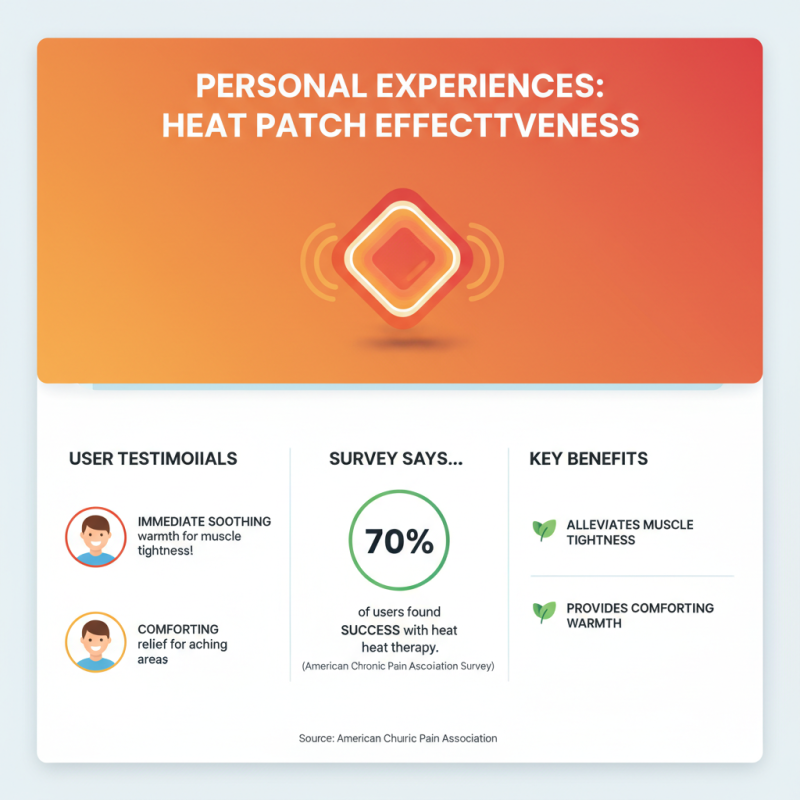
Many individuals have found relief through heat patches, and their testimonials reflect a growing body of positive experiences. A survey conducted by the American Chronic Pain Association indicated that nearly 70% of respondents utilized heat therapy successfully. Many users report an immediate soothing sensation that can alleviate muscle tightness. This feeling is often described as comforting, providing necessary warmth to aching areas.
Personal stories often highlight various applications. Users mention its effectiveness during menstrual cramps or back pain. “I applied a heat patch and felt the tension melt away,” shared one user. It’s evident that heat patches offer tangible results for those suffering. However, some noted that the patches didn't stay in place during more active moments. This inconsistency in adherence could lead to a frustrating experience.
On the professional side, studies indicate that localized heat increases blood flow and helps reduce inflammation. Reports suggest that these patches can be especially beneficial when combined with other therapies. While many find relief, individual experiences can vary. Some may need to adapt their approach based on specific conditions. This reflection emphasizes the need for personalized pain management strategies.