How to Use Heat Patches for Pain Relief Effectively?
Heat patches have emerged as a popular option for pain relief. A report by the Global Heat Patch Market indicates a significant rise in usage, highlighting the growing appreciation for non-invasive pain relief methods. According to Dr. Emily Johnson, an expert in pain management, "Heat patches offer an effective way to soothe discomfort without reliance on medication."
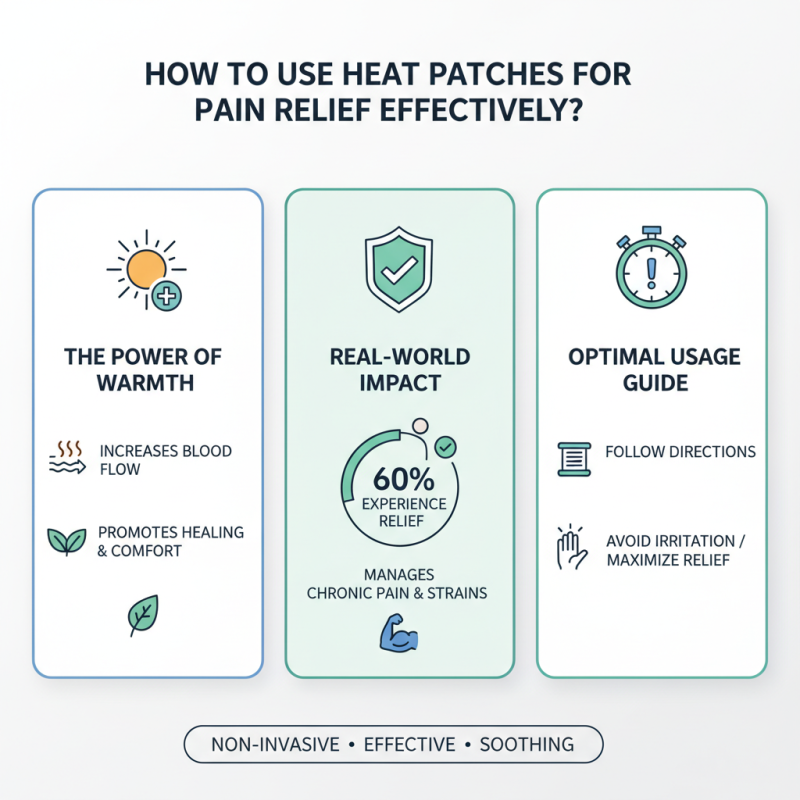
These patches deliver gentle, consistent warmth directly to the affected area. This warmth increases blood flow, promotes healing, and alleviates discomfort. Many users have reported that heat patches effectively manage chronic pain, as well as muscle strains. An estimated 60% of people using heat patches experience noticeable relief from symptoms.
Despite their benefits, some challenges remain. Users sometimes underestimate how long to apply heat patches. Incorrect application can lead to skin irritation or insufficient pain relief. It is crucial to follow the directions for optimal effectiveness. Understanding these nuances helps maximize the benefits of heat patches while minimizing risks.
Understanding Heat Patches and Their Benefits for Pain Relief
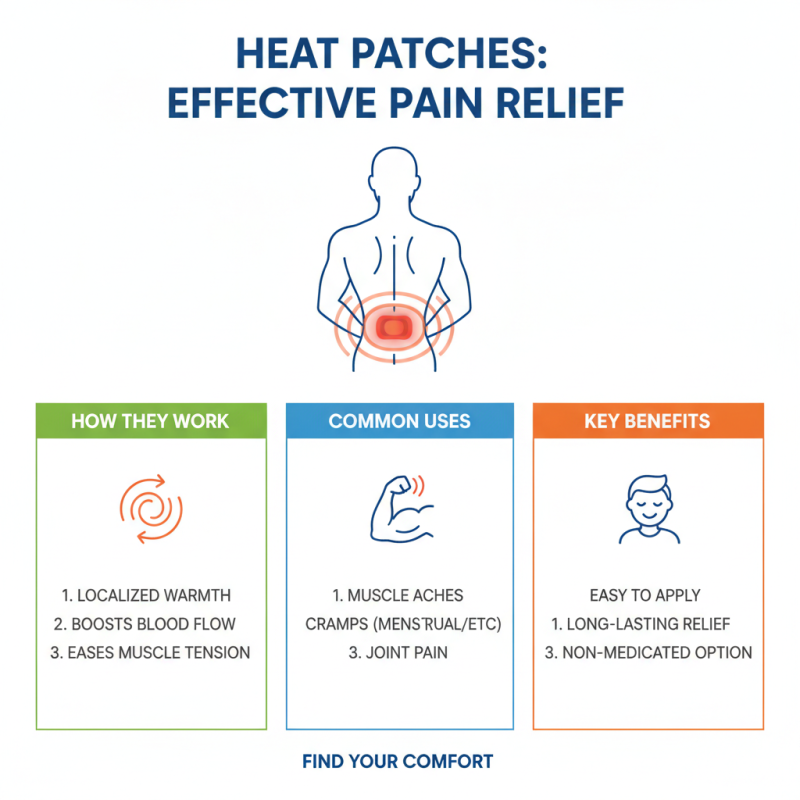
Heat patches are an effective tool for managing pain. They provide localized warmth to sore areas, promoting blood flow and easing tension. Many people find relief from muscle aches, cramps, and joint pain using these patches. They are easy to apply and can be used throughout the day.
Understanding how heat patches work is crucial. The heat penetrates the skin, which can help relax muscles. This often leads to reduced discomfort. However, it's important to be cautious. Overuse can result in skin irritation or burns. Always check your skin after using a patch. Adjust the duration and placement based on your experience.
Some individuals may not feel the heat immediately. It may take time for the patch to warm up. This delay can be frustrating. Finding the right patch for your needs takes patience. Everyone's body responds differently, so what works for one person might not work for another. Keep experimenting to find the best solution for you.
Types of Heat Patches and Their Appropriate Uses
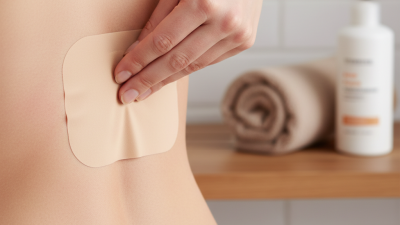
Heat patches come in various types, each designed for specific pain relief needs. Adhesive patches offer convenience for localized pain, such as backaches or muscle strains. They are easy to apply and provide consistent heat over several hours. It's essential to place them directly on clean, dry skin for maximum effectiveness.
Another type includes wrap-around patches, suitable for larger areas like the abdomen or thighs. These patches often have adjustable features, allowing users to customize their fit. Some individuals find these wraps cumbersome. Experimenting with the fit is crucial to ensure optimal heat distribution.
Finally, there are reusable heat patches that can be heated in water or a microwave. These can be cost-effective and environmentally friendly. However, users should monitor heating times carefully. Overheating can lead to burns or discomfort. Each type of patch has its pros and cons, and understanding your specific pain needs will help guide your choice.
How to Use Heat Patches for Pain Relief Effectively? - Types of Heat Patches and Their Appropriate Uses
| Type of Heat Patch |
Pain Relief Target |
Duration of Use |
Recommended For |
| Standard Adhesive Heat Patch |
Back Pain, Muscle Strains |
8-12 Hours |
People with Chronic Pain |
| Flexible Heat Patch |
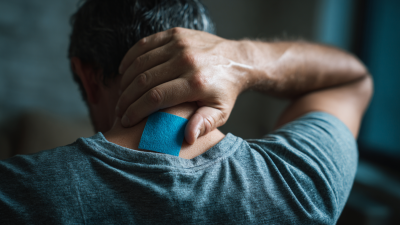
Joint Pain, Neck Pain |
6-10 Hours |
Active Individuals |
| Targeted Heat Patch |
Localized Muscle Pain |
4-8 Hours |
Athletes, Post-Workout Recovery |
| Electric Heat Patch |
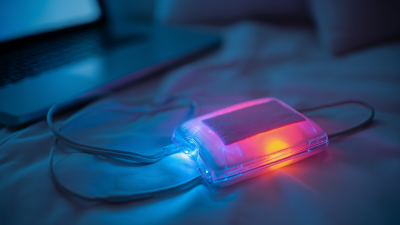
Severe Pain, Muscle Spasms |
As Long as Needed (plug availability) |
Home Use, Physical Therapy |
| Portable Heat Wrap |
Abdominal Cramps |
Up to 6 Hours |
Menstrual Pain Relief |
Step-by-Step Guide to Applying Heat Patches Effectively
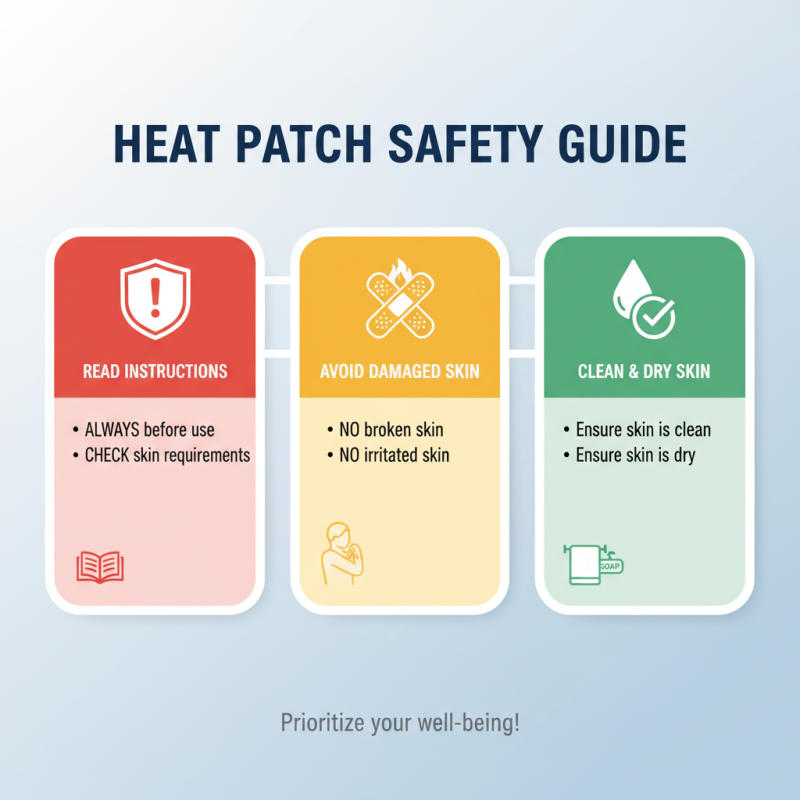
When applying heat patches, preparation is crucial. Start by cleaning the area where you plan to apply the patch. Use soap and water to remove dirt or oils. This ensures better adhesion and effectiveness. Pat the skin dry with a clean towel. The area needs to be free of moisture for the heat patch to work best.
Next, remove the protective backing from the heat patch. Be careful not to touch the adhesive side. Position it gently on the targeted area. Make sure it covers the source of your pain. Press down firmly to ensure it sticks well. It's important to avoid applying the patch over broken skin or areas with swelling.
Leave the heat patch on for the recommended duration. This is often around 8 to 12 hours, but check the instructions. Pay attention to how your body reacts. If it feels too hot or causes irritation, remove it immediately. Remember, everyone's sensitivity varies. You may need to adjust the duration or try a different placement. Experimentation is key to finding what works for you.
Precautions and Safety Tips When Using Heat Patches
When using heat patches, it’s crucial to prioritize safety. Always read the instructions carefully before application. Some patches require specific skin conditions for optimal effectiveness. Applying heat directly to broken or irritated skin can cause further problems. Make sure the skin is clean and dry before placing the patch.
Monitor the duration of use. Many patches are designed for limited time, usually a few hours. Prolonged exposure can lead to burns. If the patch feels too hot, remove it immediately. It is important to keep an eye on sensitive areas, such as the lower back or neck. Consider using a barrier like a cloth if you are unsure.
Be cautious if you have underlying health issues. Conditions like diabetes may affect your skin's sensitivity to heat. If you experience any discomfort or irritation, discontinue use right away. Listen to your body. Each person reacts differently to heat therapy. It’s wise to discuss these methods with a healthcare professional if you are unsure.
Common Conditions Treated with Heat Patches and Expected Outcomes
Heat patches provide localized warmth, offering relief for various pain conditions. They are commonly used for muscle strains, back pain, and menstrual cramps. The soothing heat helps to relax tight muscles and improve blood circulation. When applied to sore areas for 15-30 minutes, many people report noticeable relief.
Using heat patches can be effective, but results vary. Some find relief almost instantly, while others may need to experiment with placement. For instance, a patch on the lower back may alleviate general discomfort, but repositioning it could provide better results for specific pain spots. Awareness of skin sensitivity is also important, as prolonged use may irritate the skin.
While heat patches can be a helpful tool, they won’t cure the underlying issues. Users might find that heat alone is not sufficient for chronic pain. It's worth considering using heat in conjunction with other treatments. Overall, while heat patches can significantly improve pain management, realistic expectations are essential. Adjustments and self-reflection on what works best can enhance their effectiveness.
Effectiveness of Heat Patches for Pain Relief