DOWNLOAD CATALOG
Leave Your Message

Top Tips for Using Heat Pads to Relieve Back Pain?

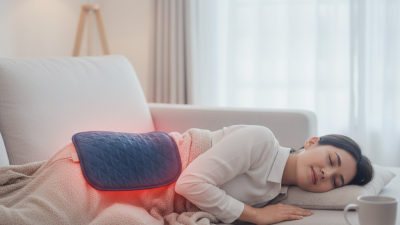
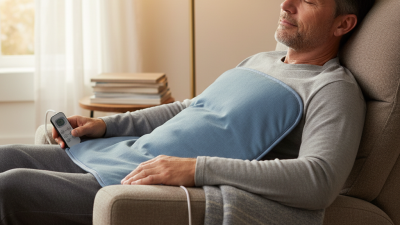
When dealing with back pain, many seek effective relief methods. Heat pads have emerged as a popular choice in this area. Dr. Susan Harris, a physical therapist specializing in pain management, emphasizes, “Heat pads can soothe muscle tension and promote blood flow.” Such benefits make heat pads a powerful tool for those suffering from discomfort.

The application of heat pads for back pain has its roots in traditional practices. Many users find immediate relief through warmth. The sensation can ease tight muscles and enable better mobility. However, it’s essential to use them correctly. Overuse may lead to skin irritation or even worsen symptoms.

Despite their advantages, heat pads also require careful consideration. Each person’s response to heat varies. Not everyone experiences the same level of relief. Experimentation and monitoring are crucial. It takes time to discover what works best for your body. The journey toward pain relief is often filled with trial and error but also potential breakthroughs.
Top Tips for Using Heat Pads to Relieve Back Pain?

Understanding the Benefits of Heat Pads for Back Pain Relief

Top Tips for Using Heat Pads to Relieve Back Pain?

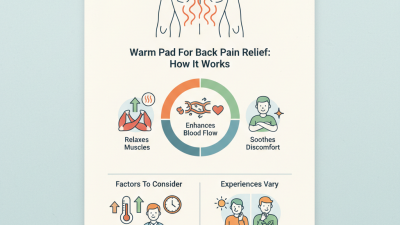
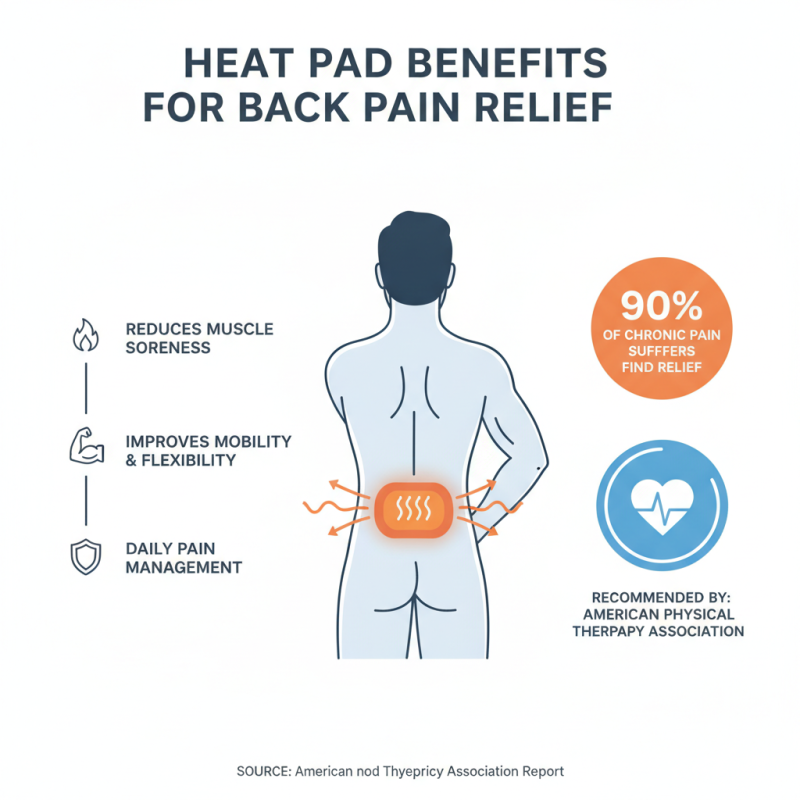
Heat pads have gained popularity as an effective method for alleviating back pain. Studies indicate that heat therapy can significantly reduce soreness and improve mobility. According to a report by the American Physical Therapy Association, approximately 90% of individuals with chronic back pain find relief through various heat applications. This underscores the value of heat pads in daily pain management.

When using heat pads, the type and duration of application matter. Typically, moist heat sources are recommended, as they penetrate deeper into the muscle tissues. A survey conducted by the Journal of Pain Research reveals that using a heat pad for 15 to 30 minutes can enhance blood flow and relieve stiffness. However, caution is essential. Excessive heat exposure can cause burns or exacerbate inflammation in some individuals.

Individual experiences vary widely. While many report positive outcomes, others may experience minimal relief. This inconsistency may stem from the underlying causes of pain or the method of application. It is crucial to monitor the body’s response and adjust usage accordingly. Listening to your body ensures you maximize the benefits of heat therapy while preventing possible harms.


Choosing the Right Type of Heat Pad for Your Needs

When selecting a heat pad for back pain relief, consider your specific needs. Various types of heat pads are available—electric, microwaveable, and chemical heat pads. Each type has unique benefits and drawbacks. For instance, electric pads provide consistent heat, but they require an outlet. Microwaveable pads can be convenient and portable, yet they often lose heat quickly.

A study published in the "Journal of Pain Research" showed that applying heat can reduce muscle tension and alleviate chronic pain. However, not all heat pads deliver the same effectiveness. Many experts recommend choosing pads with adjustable temperature settings. This feature allows users to tailor heat intensity for optimal comfort and relief.

Don't forget to consider the size and shape of the heat pad. Larger pads can cover more area but may be cumbersome. Smaller pads offer mobility but might not provide adequate coverage. It's essential to find a balance between comfort and usability. Keep in mind that while heat therapy significantly helps, some individuals may experience temporary discomfort or ineffectiveness. Listening to your body is crucial in this process.

Top Tips for Using Heat Pads to Relieve Back Pain

How to Effectively Apply Heat Pads for Maximum Relief

Heat pads can be an effective tool for relieving back pain. Applying heat helps to relax muscles and increase blood circulation. To achieve maximum relief, it's important to follow certain techniques when using heat pads.

Start by choosing the right temperature. Heat pads should feel warm but not burning. Test the pad on a less sensitive area before applying it to your back. Limit each session to 20 minutes to avoid overheating, which can lead to skin irritation. Use a thin towel as a barrier between the pad and your skin to enhance comfort.

Placement matters too. Target specific areas of discomfort, not the entire back. Try placing the pad on tight knots or sore spots. Move it slightly to find the best position. Don’t forget to rest afterward. Heat works best in combination with proper posture and gentle stretching. Reflect on your body’s response during treatment. If discomfort increases, reassess temperature and duration. Ensuring these practices can maximize the benefits of heat therapy for back pain relief.

Safety Precautions When Using Heat Pads for Pain Management

Top Tips for Using Heat Pads to Relieve Back Pain?

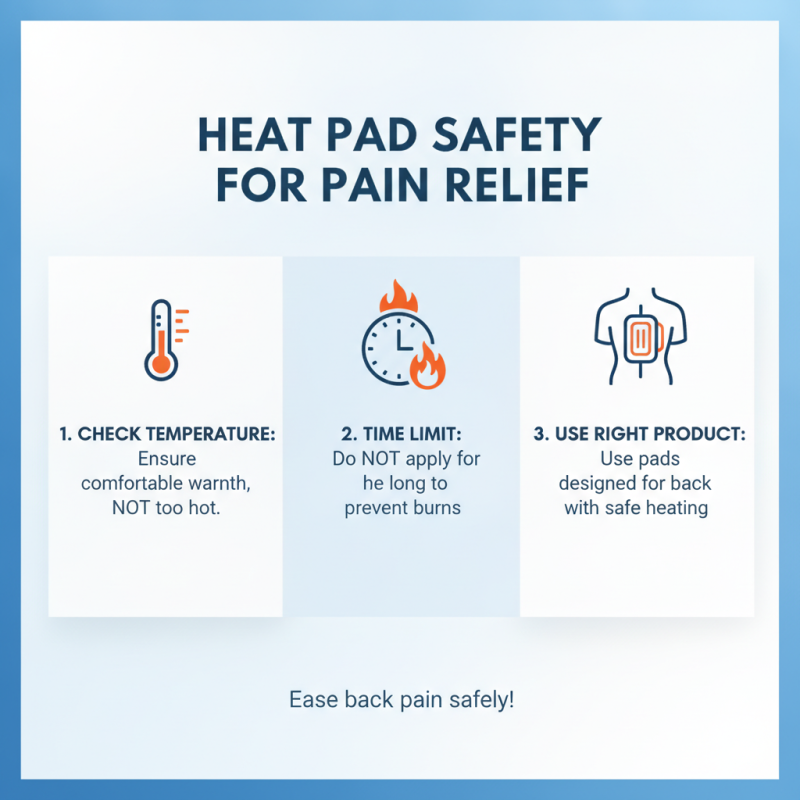
Using heat pads can effectively ease back pain, but safety must be a priority. Heat pads can cause burns if left on too long. Always check the temperature before applying one to your skin. A comfortable warmth is ideal; anything too hot should be avoided. It’s essential to use a heat pad specifically designed for back pain. These pads typically have safer heating mechanisms.

When using heat pads, limit sessions to 20-30 minutes. Prolonged exposure increases the risk of skin irritation or burns. Take breaks in between sessions to allow your skin to cool down. Ensure your skin is clean and dry before application. This reduces the risk of skin infections or reactions. If you have medical conditions like diabetes, consult a healthcare professional first.

Be mindful of how your body responds to heat. Some individuals feel relief, while others may not. It’s okay to adjust your approach. Experiment with heat settings and application time. Listen to your body’s signals. If discomfort arises, stop using the heat pad immediately. Always prioritize your health and consider other pain management methods if necessary.

Common Mistakes to Avoid When Using Heat Pads for Back Pain

When using heat pads for back pain, avoiding common mistakes can enhance the benefits. A study by the National Institute of Neurological Disorders and Stroke (NINDS) emphasizes that improper use of heat therapy can lead to increased discomfort. One frequent mistake is using heat pads for too long. Medical experts recommend limiting the session to 15-20 minutes. Extended exposure may aggravate inflammation, leading to heightened pain.

Another common oversight is applying heat to recent injuries. The American Physical Therapy Association advises against heat for injuries within the first 48 hours. Cold therapy is more effective during this initial phase to reduce swelling. Don’t forget to check your skin regularly while using heat pads to avoid burns. Skin tolerance varies; even a slightly too hot pad can cause harm.

Many people overlook proper pad placement. Using a heat pad directly on the skin can lead to burns. Instead, wrap it in a cloth. This buffer is essential for skin protection. Furthermore, drinking water before and after using a heat pad can help keep your body hydrated. Proper hydration supports overall recovery and reduces muscle tension.

Top Tips for Using Heat Pads to Relieve Back Pain

Tip Description Common Mistake Avoidance Strategy
Choose the Right Temperature Use a comfortable, soothing temperature that provides warmth without discomfort. Using a temperature that is too hot. Test the heat pad on a smaller area first to find an effective temperature.
Limit Usage Time Apply for 15-20 minutes, allowing skin to cool afterwards. Leaving heat pads on for too long. Set a timer to remind you to take breaks.
Positioning Place the heat pad directly on the area where you feel pain. Using the heat pad at a wrong angle. Adjust the pad so it fits snugly against your back for maximum efficacy.
Use a Barrier Place a cloth between the pad and skin to avoid burns. Direct contact without protection. Always use a thin towel or cloth as a barrier.
Know When to Use Apply heat for muscle relaxation, not during swelling. Using heat immediately after an injury. Use ice immediately after injury, switch to heat after 48 hours.