2026 How to Use a Heating Patch for Pain Relief Effectively?
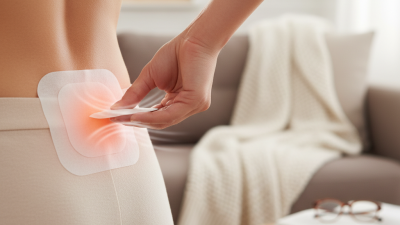
Heating patches are gaining popularity for pain relief. This convenient solution provides targeted warmth to sore areas. Many people rely on them for managing discomfort from injuries and chronic conditions.
Using a heating patch can enhance relaxation and improve blood flow. The heat can relieve muscle tension and alleviate stiffness. However, it is essential to use them correctly to maximize their benefits. Improper usage may lead to burns or ineffective relief.
While heating patches are generally safe, everyone’s experience can vary. Individual responses to heat therapy can differ. Understanding how to apply and when to use these patches is crucial. This guide offers practical tips to use a heating patch effectively for pain relief.
Understanding Heating Patches: Types and Benefits for Pain Relief
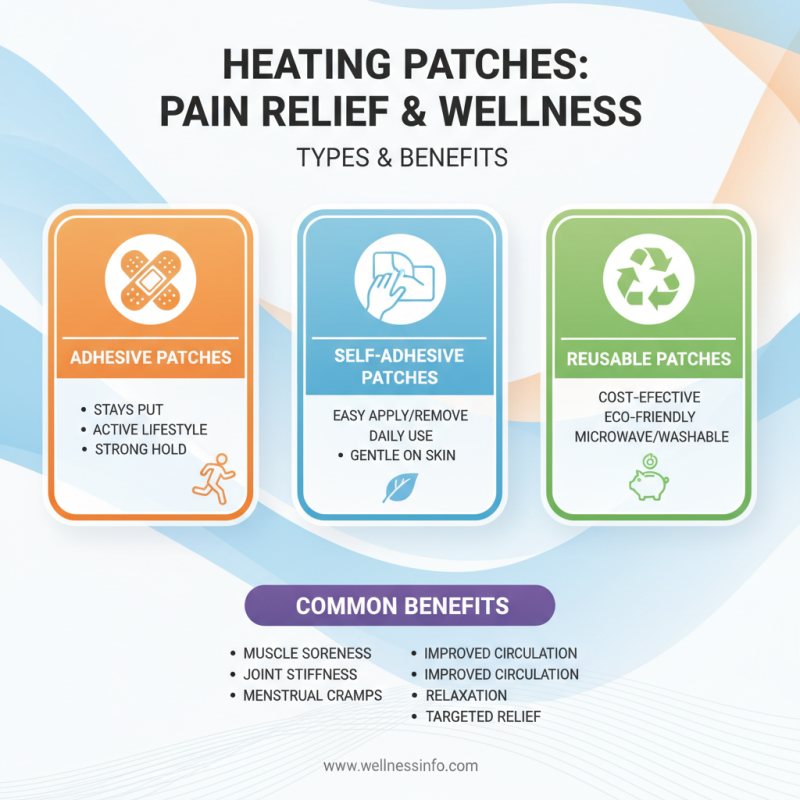
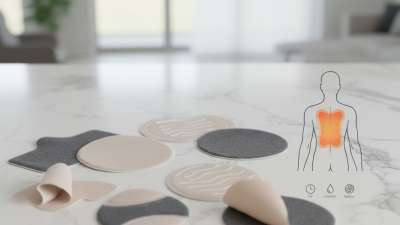
Heating patches are a popular choice for pain relief, offering a simple and accessible solution. These patches come in various types, including adhesive, self-adhesive, and reusable options. Each type provides a different experience, catering to individual preferences. Adhesive patches stay in place during movement, while self-adhesive ones are easy to apply and remove. Reusable patches can save you money and reduce waste.
The benefits of using heating patches for pain relief are significant. The heat helps to increase blood flow, promoting healing in sore muscles and joints. It can also reduce stiffness, making it easier to move. Many find relief within minutes of application. However, heat therapy isn't suitable for everyone. Some people may experience skin irritation or increased inflammation. It's important to assess how your body responds.
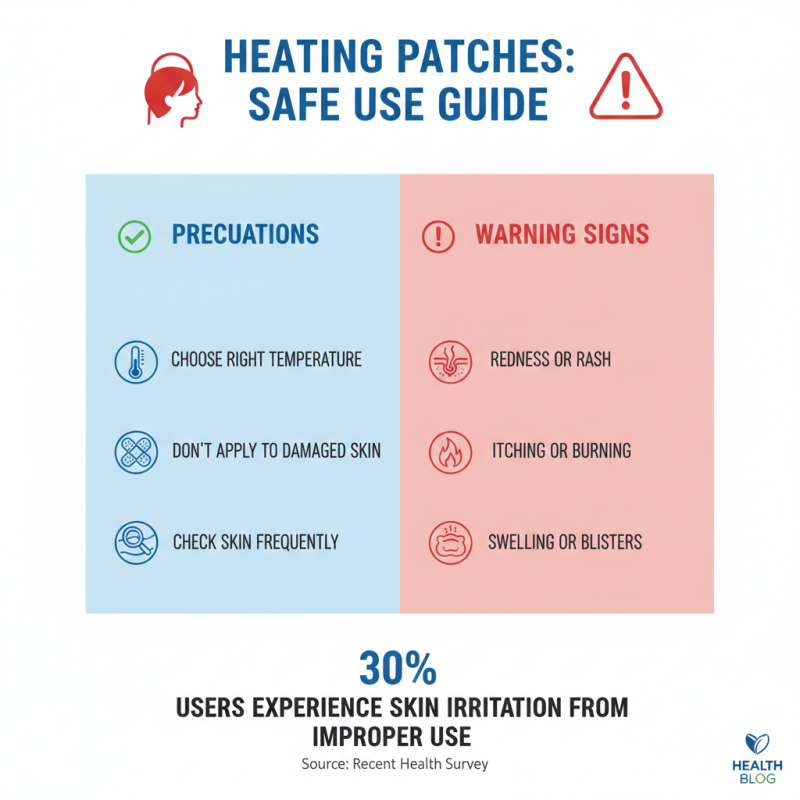
Understanding the proper use of heating patches is crucial. Applying heat for too long can lead to burns. Always follow guidelines and consult a healthcare professional if uncertain about usage. Remember, finding the right type of heating patch that fits your needs might require some experimentation. Be patient and attentive to your body’s reactions as you explore this pain relief option.
How to Choose the Right Heating Patch for Your Needs
Choosing the right heating patch is essential for effective pain relief. Consider your specific needs when selecting a patch. Think about where the pain is located. Different patches target various areas of the body. For instance, some patches are designed for back pain, while others work well on joints.
Pay attention to the heating duration and intensity. Longer-lasting patches may be better for chronic pain. Look for patches with adjustable heat settings. This can provide personalized relief and comfort. Testing various types might reveal what works best for you. Comfort should not be overlooked; a patch that fits well can significantly enhance its effectiveness.
Read user reviews and consult a healthcare professional if unsure. Using patches improperly can lead to skin irritation or other issues. It's important to follow safety guidelines. This may require a bit of trial and error. Ultimately, finding the right heating patch is about enhancing your daily life. Your comfort and relief should guide your choice.
Step-by-Step Guide: Applying a Heating Patch Safely and Effectively
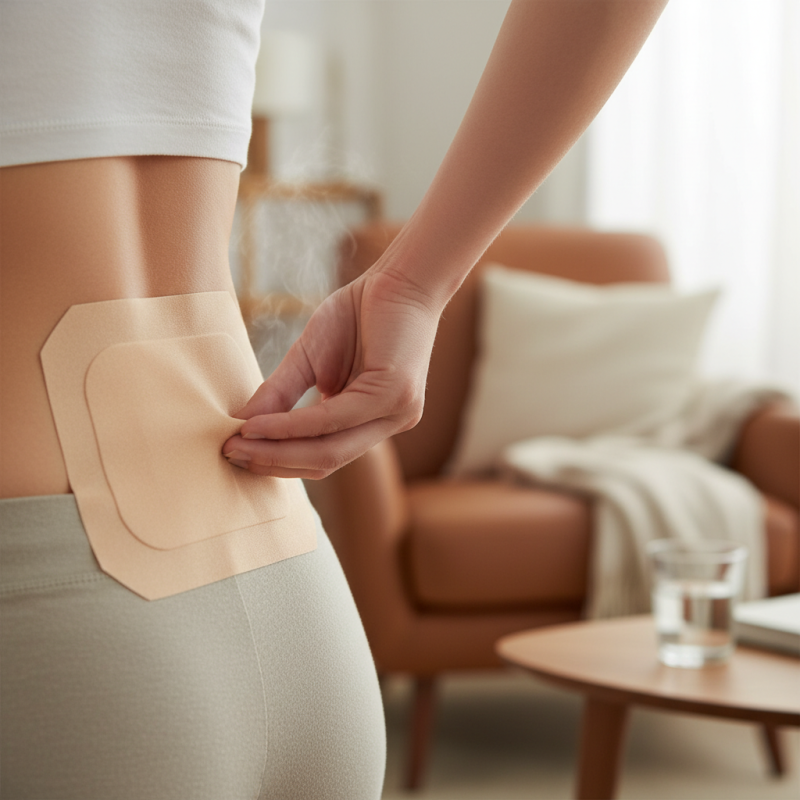
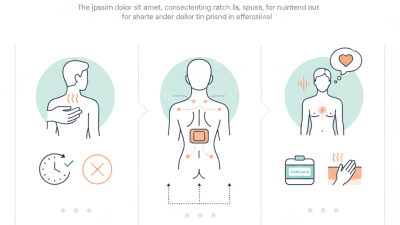
Using a heating patch can be a simple yet effective method for pain relief. Start by selecting the right patch for your needs. Look for patches designed specifically for muscle or joint pain. Ensure it is suitable for the area you want to treat. Clean the skin where you will place the patch. This ensures better adhesion and effectiveness.
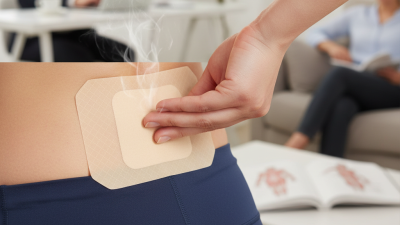
Once the patch is ready, peel off the backing and apply it to your skin. Be careful not to touch the adhesive side with your fingers. Press down firmly to ensure it sticks. Avoid applying it over open wounds or broken skin. Set a timer to avoid leaving it on for too long. Typically, 20 to 30 minutes is ideal.
After use, gently peel off the patch and dispose of it properly. Monitor how your body reacts to the heat. Everyone experiences pain differently, and what works for one person may not work for another. Sometimes, you might feel discomfort or irritation from the heat. If this happens, remove the patch immediately. It's essential to listen to your body and adjust your use accordingly.
2026 How to Use a Heating Patch for Pain Relief Effectively?
| Step |
Action |
Duration |
Safety Tips |
| 1 |
Clean and dry the area |
- |
Ensure no moisture is present |
| 2 |
Remove patch from packaging |
- |
Check for any damage |
| 3 |
Apply to the targeted area |
8-12 hours |
Avoid applying directly on broken skin |
| 4 |
Ensure proper adhesion |
- |
Press gently to secure |
| 5 |
Remove the patch after use |
- |
Dispose of properly |
| 6 |
Monitor skin condition |
During and after use |
If irritation occurs, stop using |
Recommended Duration and Frequency for Using Heating Patches
When using heating patches for pain relief, the duration and frequency matter significantly. Experts suggest applying a patch for 15 to 30 minutes. This time frame allows your muscles to warm up without the risk of overheating. Overuse can lead to skin irritation or burns. It’s vital to monitor how your body responds to the heat.
As for frequency, using a heating patch several times a day can be beneficial. Spacing out applications gives your skin a break. Ideally, apply it every three to four hours if pain persists. However, people react differently. Some may find relief with fewer applications. It’s a trial-and-error process.
Listening to your body is crucial. If you feel discomfort, remove the patch immediately. Adjusting the duration and frequency can prevent adverse effects. Finding the right balance will enhance your experience. In the end, your comfort is key.