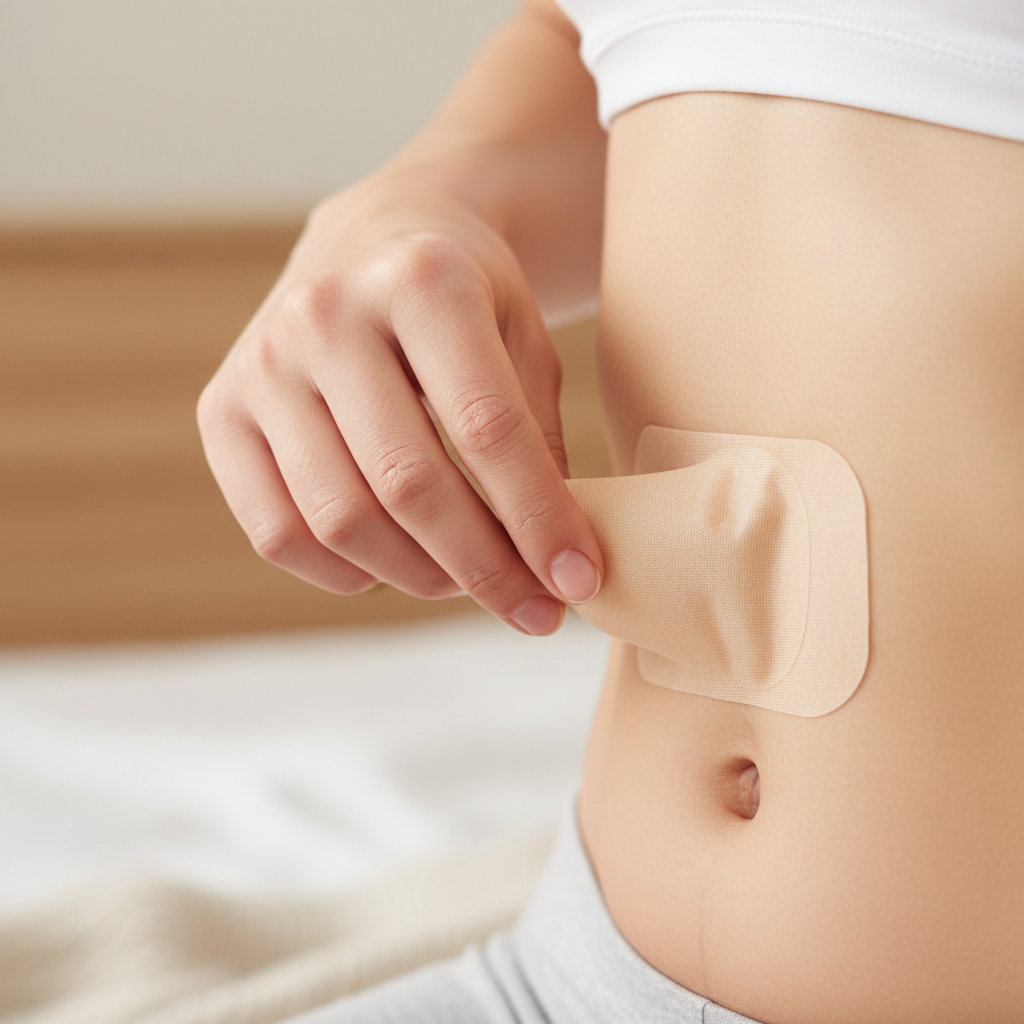
How to Use Heat Patch For Cramps for Quick Relief and Comfort
Managing menstrual cramps is a common challenge faced by many women, with studies indicating that approximately 50% of menstruating individuals experience dysmenorrhea, the medical term for painful cramps. According to the American College of Obstetricians and Gynecologists, cramping can significantly impact daily activities, underscoring the need for effective relief methods. Among the various options available, heating pads and patches have emerged as popular solutions due to their ease of use and comfort.
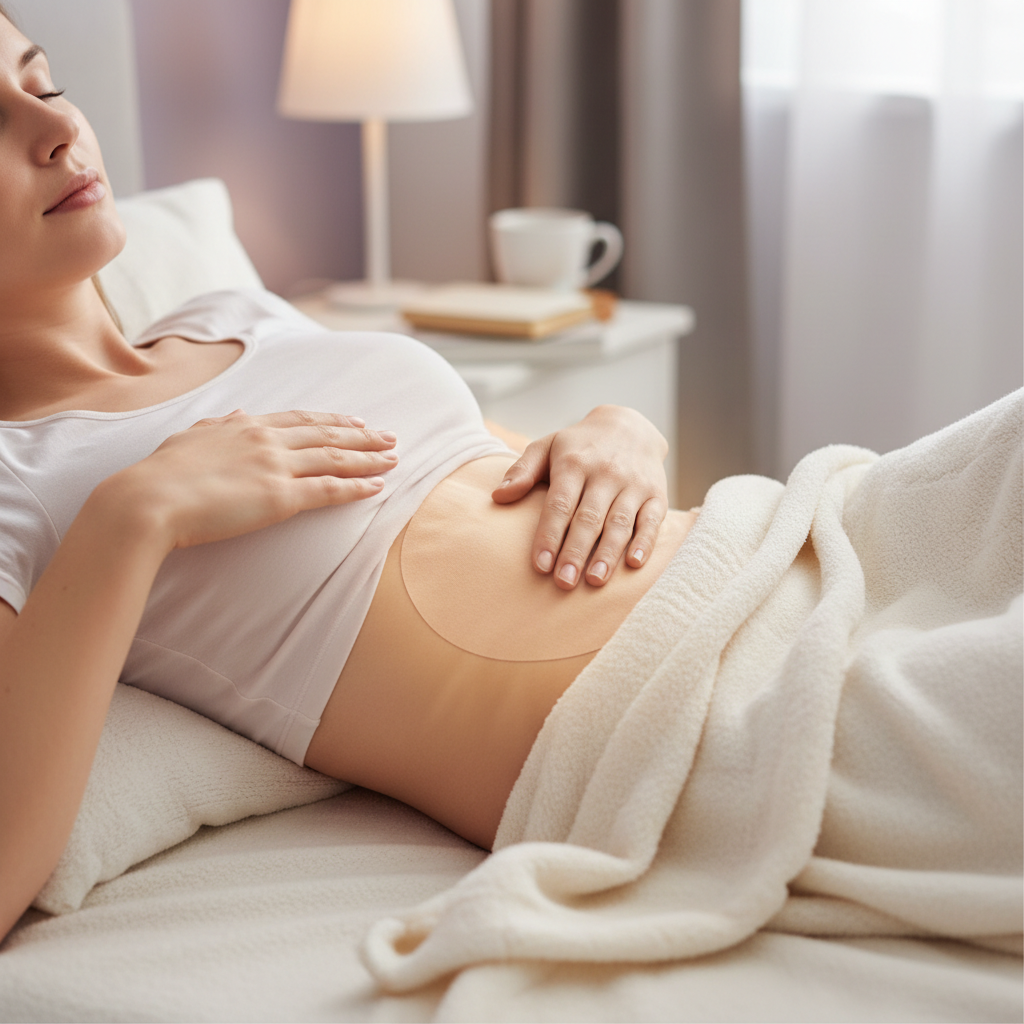
Heat Patch for Cramps is a particularly effective tool for alleviating discomfort without the need for medication. Research shows that applying heat to the lower abdomen can enhance blood flow, relax tense muscles, and promote a soothing effect, making it a preferred choice for many. The thermal effect can last for several hours, providing sustained relief during peak discomfort times. As we delve into how to use heat patches effectively, it's essential to understand not only the application methods but also the specific benefits they offer in contrast to traditional pain management strategies.
Understanding Heat Patches: Types and Their Effectiveness for Cramps Relief
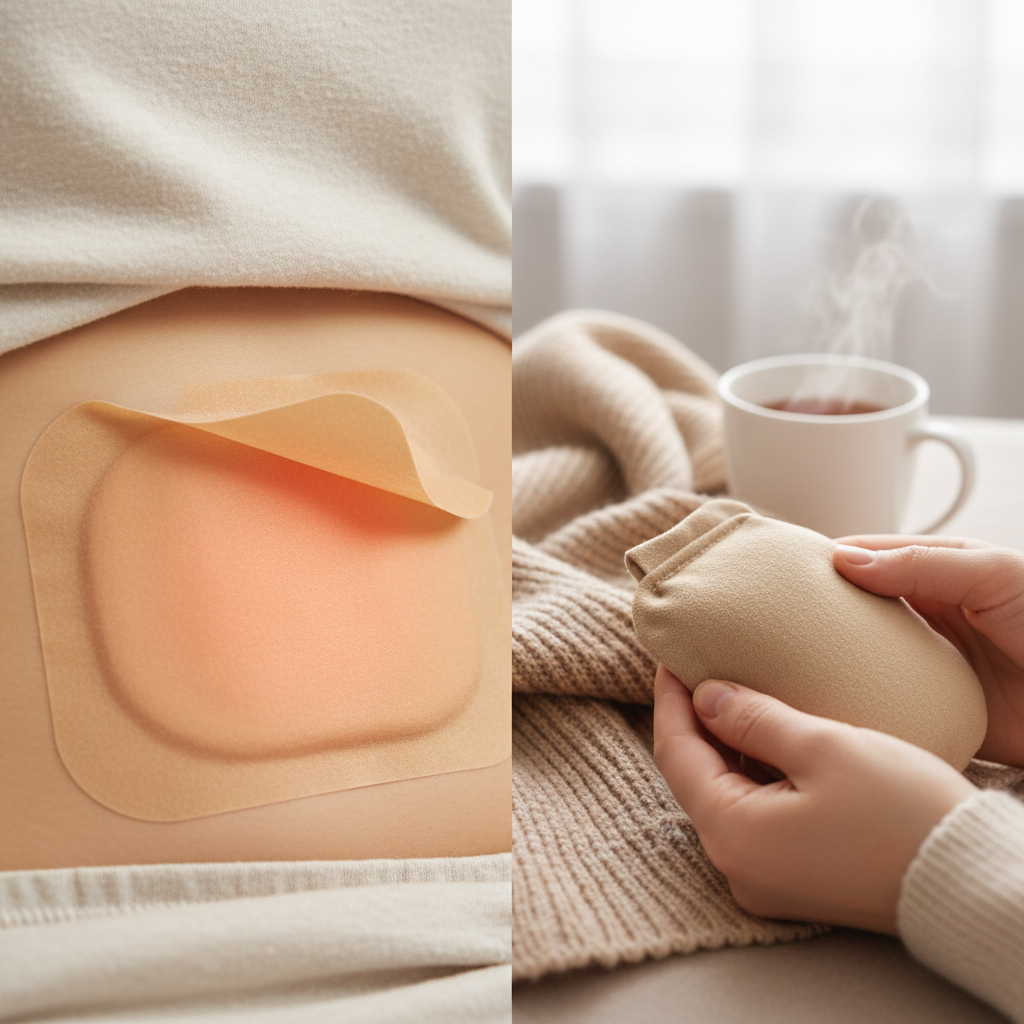
Heat patches are a popular and effective method for relieving cramps, particularly menstrual and muscle-related discomfort. These patches typically contain a heat-generating substance that, when activated, gradually releases warmth to the affected area. There are two main types of heat patches: adhesive and portable. Adhesive patches are designed to stick directly onto the skin, allowing for targeted pain relief while remaining discreet under clothing. Portable heat patches can be heated externally and then applied, providing flexibility but requiring more effort to use.
The effectiveness of heat patches for cramps relief lies in their ability to increase blood circulation and relax tense muscles. The heat helps to soothe the area, reduce inflammation, and alleviate pain signals sent to the brain. Many users report significant improvements in their discomfort after using these patches, making them a favored choice for quick relief during acute episodes. Whether for menstrual cramps or tension-related muscle pain, understanding the different types and how they work can greatly enhance comfort and provide much-needed ease in stressful moments.
How Heat Therapy Works: The Science Behind Pain Relief and Muscle Relaxation
Heat therapy is a widely recognized method for alleviating pain and promoting muscle relaxation. According to a study published in the *Journal of Pain Research*, approximately 80% of individuals who used heat patches reported significant relief from muscle cramps and discomfort. The science behind this phenomenon lies in the way heat influences the body's physiological responses. By applying heat, blood circulation increases, resulting in improved oxygen delivery to the affected muscles and faster removal of metabolic waste, which in turn eases tension.
When using heat patches for cramps, consider these tips: First, ensure the patch is applied directly to the skin for maximum efficacy. It’s also advisable to use heat therapy in sessions of 15-20 minutes to prevent excessive skin irritation. Moreover, combining heat with gentle stretching can further enhance relief, as it encourages muscle elasticity while the warmth soothes soreness.
Another significant aspect of heat therapy is its impact on the nervous system. As noted in a report by the American Physical Therapy Association, heat can effectively reduce the transmission of pain signals to the brain, providing a dual benefit of reducing pain perception and promoting muscle relaxation. Incorporating heat patches into your pain management routine can leverage these physiological benefits for improved comfort during cramps.
How to Use Heat Patch For Cramps for Quick Relief and Comfort
| Application Method |
Duration |
Temperature Range |
Pain Relief Duration |
User Recommendation |
| Apply directly on the skin |
20-30 minutes |
40-50°C (104-122°F) |
2-4 hours |
80% users found it helpful |
| Wrap around the affected area |
30-45 minutes |
45-55°C (113-131°F) |
3-5 hours |
85% users recommend this method |
| Use during physical activities |
As needed |
40-60°C (104-140°F) |
Varies with activity |
75% users felt significant relief |
| Combine with other therapies |
20-60 minutes |
35-50°C (95-122°F) |
Up to 6 hours |
90% users recommend this approach |
Proper Application Techniques: Maximizing the Benefits of Heat Patches for Cramps
When using heat patches for cramps, proper application techniques can significantly enhance their effectiveness. Firstly, it’s essential to ensure that the skin is clean and dry before applying the patch. This prepares the area for optimal heat absorption. Avoid placing the patch directly on broken skin or open wounds, as this can cause irritation. Instead, position it on the muscle area experiencing discomfort, allowing the heat to penetrate deeper and alleviate tension.
To maximize the benefits, consider the duration of heat application. Most heat patches are designed to provide relief for several hours, but it's crucial to follow the manufacturer's guidelines regarding the maximum usage time. Additionally, pairing the heat patch with gentle stretching or relaxation exercises can promote further muscle relief. Using a heat patch in conjunction with other comfort products, such as a supportive back massager or a neck heating pad, can create a comprehensive approach to easing cramps and enhancing overall comfort.
Duration and Frequency: Optimal Use of Heat Patches for Effective Cramps Management
When using heat patches for cramps, understanding the duration and frequency of application is crucial for maximizing their effectiveness. Generally, a heat patch should be applied for a minimum of 20 to 30 minutes. This duration allows the heat to penetrate adequately and increase blood flow to the affected area, which helps alleviate muscle tension and discomfort. For best results, the patch can be re-applied after a break of at least an hour, ensuring that the skin does not become irritated.
For ongoing management of cramps, it is advisable to use heat patches multiple times throughout the day as needed. However, moderation is key; typically, applying a heat patch 2 to 3 times daily is sufficient to provide relief without risking skin damage. Always monitor how your body responds to the heat, adjusting the frequency based on personal comfort and the severity of the cramps. By adhering to these guidelines, heat patches can become a reliable tool in managing painful cramps effectively and comfortably.
Heat Patch Use for Cramps Management
This chart displays the optimal duration and frequency for using heat patches to alleviate cramps effectively. Using a heat patch for approximately 30 minutes and up to 3 times per day can provide quick relief and comfort.
Potential Risks and Precautions: Ensuring Safe Use of Heat Patches for Cramps Relief
When using heat patches for relieving cramps, it's essential to be aware of potential risks and precautions to ensure safe application. Heat patches can provide immediate relief by increasing blood flow and relaxing tense muscles, but improper use can lead to skin burns or irritation. It's crucial to read the manufacturer's instructions and apply the patch for the recommended duration to avoid overheating.
Additionally, certain individuals should exercise caution when using heat patches. Those with sensitive skin, diabetes, or circulation issues should consult a healthcare professional before use. It's also important to avoid using heat patches on broken or irritated skin, as this can exacerbate injuries and lead to complications. Always perform a patch test on a small area of skin to check for any allergic reactions before applying the patch to the affected area. By following these guidelines, users can enjoy the therapeutic benefits of heat patches while minimizing the risks.