Top 10 Body Warmer Suppliers for Global Buyers
Choosing a Body Warmer supplier is not just a price comparison. Buyers need dependable insulation, consistent stitching, clear specifications, and delivery plans they can verify. A sample may feel warm in a showroom, yet perform differently after repeated wear or washing. Small details matter: zipper smoothness, pocket depth, seam strength, and how evenly the filling sits.
Dr. Sheng Lu, an apparel-sourcing researcher, studies the supply chains behind clothing production. A practical summary of that expertise is: “Judge a supplier by product performance, traceable production, and reliable communication—not price alone.” This is an editorial summary, not a verbatim quotation. Keep that distinction clear.
This guide compares ten suppliers through buyer-focused questions: What materials and insulation options can they offer? Can they provide samples, testing information, and clear production timelines? How do they handle custom colors, size ranges, minimum orders, and quality checks? Ask for current documentation, and verify claims directly with each supplier. Do not assume that a catalog photo proves construction quality. A modest gap may remain between a polished sample and bulk production; buyers should plan for it.
The companies below serve different needs, from established manufacturing capacity to flexible customization. The right choice depends on your market, budget, order size, and product brief. Compare carefully. One overlooked specification can change the result.
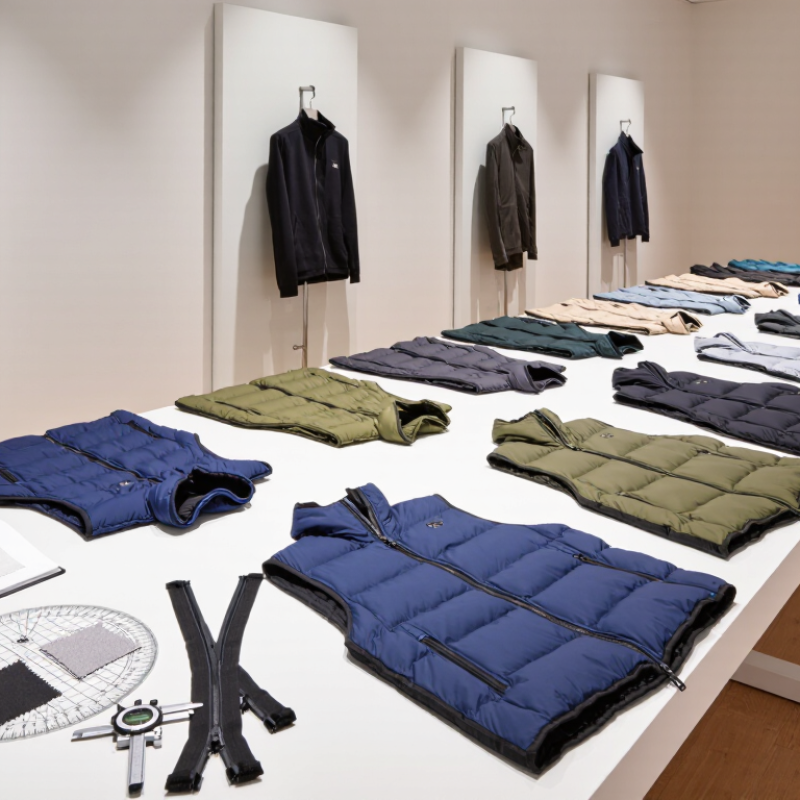
What Body Warmers Are and How Global Buyers Use Them
Body warmers are portable heat packs designed to provide localized warmth during cold-weather activities. Many air-activated models use iron powder, salt, water, and absorbent material inside a breathable pouch. Once opened, oxygen starts a gradual warming reaction. Heat output and duration vary by design, so buyers should check test data rather than rely on broad claims.
Global buyers source body warmers for outdoor retail, workplace kits, travel stores, and seasonal distribution. A typical hand warmer may fit inside a coat pocket; larger patches are intended for clothing layers, not direct skin contact unless product instructions explicitly allow it. Clear warnings matter. Buyers should review temperature ranges, activation time, heating duration, pouch integrity, and instructions translated for destination markets. Samples tested in a cold room can reveal uneven warmth or awkward packaging that a specification sheet misses.
Procurement also depends on shipping and storage conditions. Moisture-resistant outer cartons, batch traceability, and consistent labeling can help reduce receiving problems across multiple warehouses. Ask suppliers how they verify heat performance and inspect seals, and request current documentation for the intended market. Small details matter. A warmer that heats well but takes too long to activate may disappoint users. Even experienced teams can overlook that. Check performance again after transit, because handling and storage can change the user experience.
How to Evaluate Body Warmer Suppliers and Products
How to Evaluate Body Warmer Suppliers and Products
A useful supplier review starts with the product’s intended use. Check the warmer’s dimensions, heating duration, activation method, and storage instructions. Ask what materials touch the skin and whether product-specific safety tests are available. Compare written specifications with a sample, not just a catalogue image. A sample can reveal uneven warmth, awkward packaging, or instructions that are hard to follow.
Supplier reliability matters as much as heat output. Request clear details on production capacity, lead times, minimum order quantities, and packaging options. Ask how batches are checked and how product issues are handled. Review applicable test reports and traceability records, then confirm that documents match the exact model being quoted. One detail is easy to miss: performance may change with storage conditions, so ask how shelf life is established. I would not treat a polished brochure as proof.
Tips: Test samples under realistic conditions, including cold storage and typical use. Record the starting temperature and how long comfortable warmth lasts. Compare several units for consistency. Keep questions in writing; small gaps in answers can matter later. When unsure, pause before placing a large order.
Top 10 Body Warmer Suppliers for Global Buyers
Top 10 Body Warmer Suppliers for Global Buyers
Global buyers should compare suppliers by product type, not catalogue size alone. Disposable air-activated warmers, reusable packs, and battery-powered garments require different testing and shipping plans. The IEA reported that buildings used about 30% of global final energy in 2022 (Energy Efficiency 2023). This does not prove wearable warmers save energy, but it highlights why buyers should check real use cases rather than rely on broad efficiency claims. Request temperature curves, usable heating time, material details, and batch-level quality records.
A dependable supplier can explain how performance changes in cold, damp conditions. Ask for samples from the intended production line, then test warmth, packaging seals, and consistency across several units. For powered products, review battery capacity, charging instructions, and independent safety test documents. Confirm minimum order quantities, seasonal lead times, replacement terms, and export packaging before placing a large order. One sample is not enough. This shortlist is never perfect; actual wear tests often reveal details that a specification sheet misses.
Tips: Give each supplier the same test brief and score results side by side. Record surface temperature and heating duration at set intervals. Ask how defects are traced by production batch, and agree on written acceptance criteria before mass production. Be cautious of unusually long heating-time claims without test conditions.
Comparing Supplier Capabilities, Pricing, and Delivery
Top 10 Body Warmer Suppliers for Global Buyers
Supplier comparisons are most useful when they cover capability, price, and delivery together. Confirm whether each supplier makes wearable insulated garments, disposable warmers, or both. These products require different materials, equipment, and quality checks. Ask for fabric details, size tolerances, packaging options, and a sample that matches the proposed specification. A low unit price may exclude custom packaging, inspection, or freight. Check the full landed cost before comparing quotes.
Delivery estimates need careful review. Request production time, dispatch location, shipping method, and a realistic delivery window in writing. Ask how the supplier handles delays or a sample that differs from bulk production. For larger orders, discuss inspection checkpoints and agree on acceptable quality criteria before production begins. A tidy quotation can still leave gaps. Even experienced buyers may overlook small charges or assume that quoted lead times include shipping. That is worth checking twice.
Tips: Compare like with like. Send every supplier the same specification and order quantity. Request a sample, written lead-time breakdown, and itemized quote. Keep replies and revisions together; details can change between conversations.
Top 10 Body Warmer Suppliers for Global Buyers - Comparing Supplier Capabilities, Pricing, and Delivery
Indicative comparison of common supplier profiles for insulated body warmers. Pricing and lead times are market estimates, not verified supplier quotations or a confirmed ranking. Actual costs vary by fabric, insulation, construction, order quantity, destination, and Incoterms.
| Supplier Profile |
Typical Product Strength |
Indicative FOB Price
(USD/unit, 1,000 pcs) |
Typical MOQ |
Production Lead Time |
Indicative Monthly Capacity |
Customization & Sourcing Notes |
| 1. Large-scale outerwear factory |
Insulated woven vests for workwear and outdoor use |
$12–$22 |
500–1,000 pcs |
45–75 days |
20,000–60,000 pcs |
Suitable for repeat orders, multiple sizes, and standard private-label packaging. |
| 2. Mid-sized cut-and-sew manufacturer |
Lightweight everyday padded vests |
$10–$19 |
300–800 pcs |
35–60 days |
8,000–25,000 pcs |
Often flexible on colors and trims; confirm fabric availability before sampling. |
| 3. Workwear specialist |
Durable utility and high-visibility vest styles |
$14–$28 |
500–1,000 pcs |
45–70 days |
10,000–35,000 pcs |
Can develop reinforced seams, multiple pockets, and reflective trim; request compliance evidence for regulated markets. |
| 4. Outdoor apparel manufacturer |
Technical vests with wind-resistant shells |
$18–$38 |
500–1,200 pcs |
50–80 days |
5,000–20,000 pcs |
Better suited to technical fabrics and detailed construction; material testing may add time and cost. |
| 5. Down and synthetic-insulation specialist |
Packable insulated vests |
$20–$45 |
500–1,500 pcs |
55–85 days |
4,000–15,000 pcs |
Insulation type, fill weight, and testing requirements have a strong effect on price. |
| 6. Fleece and softshell producer |
Fleece, bonded-fabric, and softshell body warmers |
$9–$23 |
300–800 pcs |
35–60 days |
8,000–30,000 pcs |
A practical option for mid-layer styles; request fabric weight and pilling-performance details. |
| 7. Recycled-material apparel supplier |
Vests using recycled-content shell or insulation materials |
$16–$34 |
500–1,000 pcs |
50–80 days |
5,000–18,000 pcs |
Ask for transaction-specific material documentation; recycled content can affect sourcing lead times. |
| 8. Small-batch private-label workshop |
Basic fashion and promotional body warmers |
$13–$30 |
100–300 pcs |
30–55 days |
1,000–6,000 pcs |
Lower entry quantities may come with fewer fabric choices or a higher unit cost. |
| 9. Regional uniform supplier |
Corporate, service, and team uniform vests |
$11–$25 |
200–600 pcs |
30–60 days |
3,000–12,000 pcs |
May offer regional stock or decoration services; check whether production is in-house or subcontracted. |
| 10. Trading-led sourcing partner |
Mixed-style sourcing across multiple garment factories |
$12–$32 |
300–1,000 pcs |
45–80 days |
Depends on allocated factories |
Can coordinate different products; confirm factory identity, quality controls, and responsibility for defects. |
Pricing basis: indicative FOB unit price for a standard adult insulated vest at approximately 1,000 pieces, excluding sampling, duties, freight, and taxes. Lead times generally begin after sample approval, material confirmation, and deposit payment.
How to Select a Supplier for Your Business Needs
Choosing a body warmer supplier starts with a clear product brief. Specify the warmer type, size, intended use, and expected heating time. For air-activated products, ask how temperature and duration are tested. Request recent test reports, material details, and samples from the same production line proposed for your order. A sample that feels warm on a desk may perform differently inside a coat on a cold day. Test it in realistic conditions. Small details matter.
Compare suppliers on consistency, not just unit price. Ask for written tolerances, inspection steps, packaging options, minimum order quantities, and lead times. Confirm which product documents are available for your destination market, and have qualified local advisers review any requirements. Check how the supplier handles delayed shipments, defects, and changes in raw materials. Get those answers in writing. A spreadsheet can make sourcing look simple. It isn’t. I have seen buyers focus on a low quote, then overlook carton dimensions or a long reorder window. That is an easy mistake to make. Share your sales forecast and launch dates, then judge each supplier against the same practical checklist.