How to Maintain a Warmer Body During Cold Weather?
As winter approaches, the chill in the air becomes more biting. Keeping a warmer body is crucial for comfort and health during the colder months. Many people struggle to maintain warmth, leading to discomfort and decreased energy levels. This challenge affects daily life, making simple tasks feel more daunting.
To achieve a warmer body, the right strategies are essential. Warm clothing, heat sources, and even food choices play significant roles. For instance, layers trap heat, while warm drinks can provide immediate relief. However, it’s easy to overlook these small details. Some may neglect proper insulation or dismiss the importance of hot meals.
Reflection on personal habits can reveal areas for improvement. Have you invested in quality winter gear? Is your diet rich in warming foods? Small adjustments can lead to significant changes. Embracing these strategies will not only enhance comfort but also promote overall well-being in the cold season.
Understanding the Body’s Temperature Regulation Mechanisms
The body regulates its temperature through a complex system. The hypothalamus acts as the control center. It receives signals from the body's temperature receptors. When it senses cold, it triggers actions to generate and retain heat.
Blood vessels constrict to reduce heat loss. This process is called vasoconstriction. Shivering is another response. The muscles contract involuntarily, creating warmth. However, this mechanism can be exhausting. It’s important to listen to your body.
Layering clothing can help maintain warmth. Fabrics like wool provide insulation. However, these layers can sometimes feel restrictive. Finding balance is key. Hydration also plays a crucial role. Dehydration can impair your body’s ability to maintain heat. Awareness of how your body responds is vital.
Choosing Appropriate Clothing for Cold Weather Protection
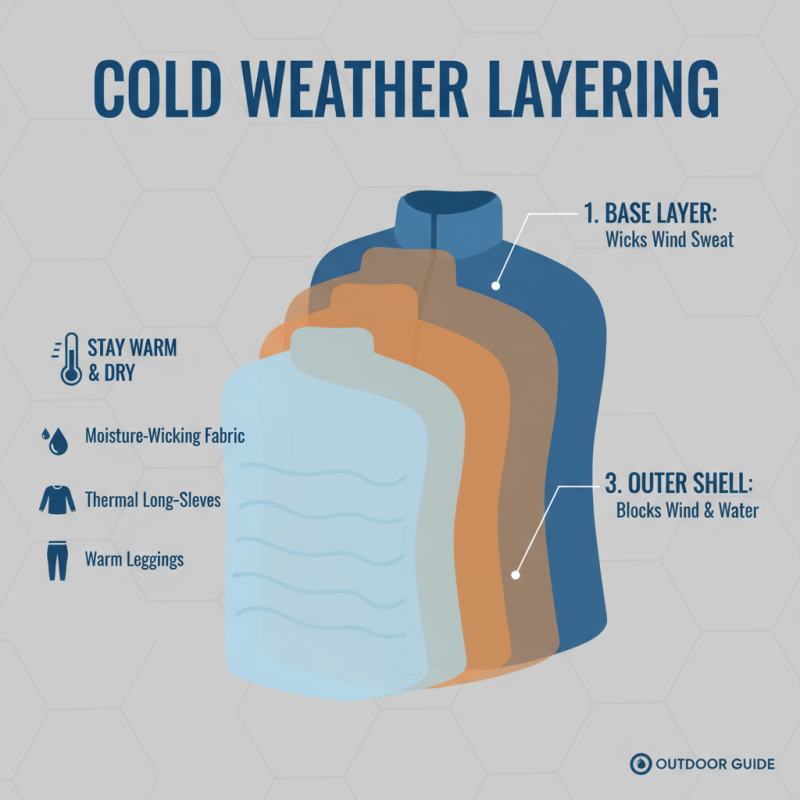
Choosing the right clothing for cold weather is essential for staying warm. Layering is key. Start with a moisture-wicking base layer. This keeps sweat away and helps maintain body heat. Choose long-sleeve shirts and thermal leggings. They provide comfort and warmth without excessive bulk.
A middle layer adds insulation. Fleece jackets or wool sweaters work well here. These materials trap heat. But, they also allow some breathability. It’s important not to overheat. For the outer layer, opt for windproof and waterproof jackets. They protect against the elements. Sometimes, people forget about the importance of accessories. Hats, gloves, and scarves can make a big difference.
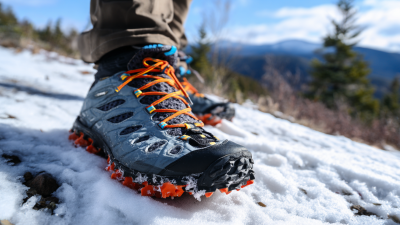
Tip: When choosing socks, aim for thicker wool or synthetic socks. They keep feet warm and dry. Also, don't overlook the fit. Clothes should be snug but not tight. If there's too much space, body heat escapes. Wearing multiple thin layers can be more effective than one thick one. Remember, comfort matters. Don’t settle for anything that restricts movement. It's easy to underestimate the power of good clothing choices.
The Role of Diet in Maintaining Body Heat During Winter
During winter, the right diet can significantly impact your body heat. Consuming warming foods is crucial. Think of hearty soups and spicy dishes. These items increase body temperature and improve blood circulation. Ginger, garlic, and chili peppers are excellent choices. They can add warmth and flavor to meals. Winter is a time to embrace comfort food, but not all options are equal.
Starchy carbohydrates like potatoes and whole grains also help. They provide lasting energy and warmth. However, not every food choice leads to heat retention. Processed snacks might offer temporary comfort but lack necessary nutrients. Balance is key.
Staying hydrated is essential too, despite the cold. Warm herbal teas can nourish and warm your insides. But, some people forget to drink enough fluids in winter. Remember to listen to your body's signals. Reflect on what makes you feel warm. It might take some time to discover the foods that suit you best.
Tips for Staying Active and Warm in Cold Environments
Cold weather can significantly impact our body temperature and overall activity levels. Staying active is essential for maintaining warmth. Research shows that physical activity increases blood circulation. When you move, your muscles generate heat. A 2016 study found that moderate exercise, like brisk walking, can raise body temperature by 1-3 degrees Fahrenheit. This thermogenic effect helps combat the chill.
Dress in layers for outdoor activities. The right clothing traps heat while allowing moisture to escape. Aim for a moisture-wicking base layer, an insulating middle layer, and a windproof outer layer. However, some might struggle to find the ideal balance and may feel too hot or too cold. It's important to adjust clothing based on activity levels. Remember to cover extremities as well, like hands and feet, which can easily get cold.
Engaging in winter sports or exercise can be a fun way to stay warm. Skiing, snowshoeing, or even preparing to run outdoors can keep you active. A study indicated that people who participate in outdoor winter activities report higher feelings of well-being. But not everyone can easily venture outside. Some may feel unmotivated or fearful of the cold. If that’s the case, consider indoor alternatives, like home workouts or group classes.
How to Maintain a Warmer Body During Cold Weather