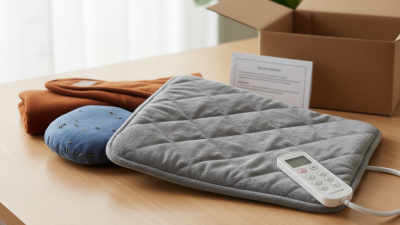
Menstrual cramps can turn an ordinary morning into a search for relief: a warm patch, a heating pad, or a quiet place to sit. The American College of Obstetricians and Gynecologists (ACOG) reports that more than half of people who menstruate experience pain for one or two days each month. For some, the pain is severe enough to disrupt daily activities. That context matters: a Heat Patch For Cramps may offer convenient, drug-free warmth, but it is not a guaranteed fix.
Most patches provide steady, low-level heat over the lower abdomen. Warmth may ease muscle tension and increase local blood flow, which can soften cramping sensations. A systematic review and meta-analysis by Jo and Lee, published in Scientific Reports in 2018, found that heat therapy could reduce pain associated with primary dysmenorrhea. The researchers also noted limits in the available evidence, including differences between studies. The science is promising, not final.
A patch is small enough to fit beneath clothing, and its warmth can feel reassuring during a commute or while working at a desk. Follow the product’s instructions, check the skin regularly, and avoid using a patch on irritated or numb skin. Too much heat can cause burns. Not a cure. Severe, worsening, or newly unusual cramps deserve medical advice, since pain can have causes beyond typical menstrual cramping. Heat can be part of a sensible plan, though its effects vary from person to person.
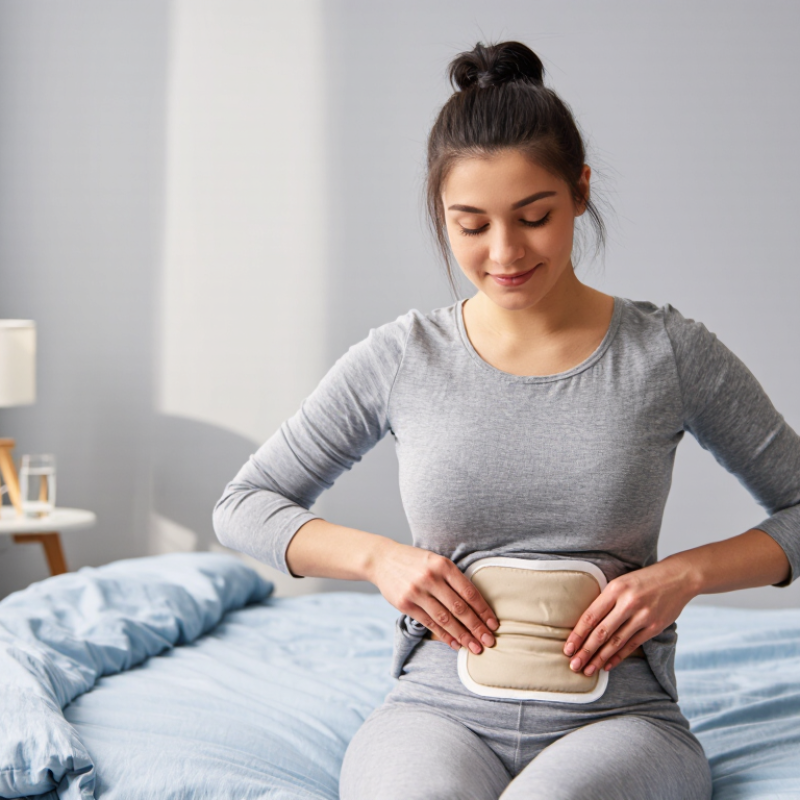
A heat patch for cramps is a small, wearable source of gentle warmth, often used on the lower abdomen during menstrual cramps. Some patches stick to clothing, while others are made for skin contact. Check the package instructions, since designs and recommended wear times differ. The patch provides steady warmth without needing a hot-water bottle or heating pad nearby.
Warmth may relax tense muscles and increase blood flow near the area, which can reduce cramp discomfort for some people. It does not treat the cause of cramps, and results vary. The relief can feel mild rather than dramatic. If pain is unusually severe, new, or keeps disrupting daily life, consider speaking with a healthcare professional.
Tips: Follow the wear-time directions, and check your skin regularly. Remove the patch if it feels too hot or causes redness or irritation. Avoid placing it on broken skin, and use extra care if you have reduced heat sensitivity. Don’t assume stronger heat works better.
How to read this chart: The numbered bars show the order of a proposed process, not measured effect size or treatment duration. A heat patch warms the skin over the lower abdomen. The warmth can widen nearby blood vessels and may help relax muscles and ease pain. Heat can relieve symptoms, but it does not treat every cause of menstrual pain. Follow the patch instructions and avoid applying heat to damaged or numb skin.
How Does a Heat Patch Produce and Deliver Warmth?
Many disposable heat patches use a simple chemical reaction. Air enters through tiny openings and allows iron powder to oxidize, releasing heat. Salt, water, and carbon may help the reaction proceed and distribute warmth. The patch’s layers regulate airflow, so heat builds gradually rather than arriving as a sudden burst. Its warm surface transfers energy to the skin by direct contact. That is the mechanism. Some patches sit on clothing, so warmth passes through fabric; placement depends on the product’s instructions.
A randomized 2001 trial in Obstetrics & Gynecology included 84 women with menstrual cramps. It found that continuous low-level heat reduced pain compared with a placebo wrap. This is useful evidence, but it does not mean every patch or user will get the same relief. Heat may relax nearby muscles and influence pain signals. It does not directly warm the uterus. The warmth is not perfectly even, and skin sensitivity varies. Follow the label’s placement and wear-time directions, and check the skin if it feels unusually hot, itchy, or uncomfortable.
| Dimension | How It Works | What This Means for the User |
|---|---|---|
| Heat source | Many disposable heat patches warm up when iron in the patch reacts with oxygen in the air. This oxidation reaction releases heat. | The patch produces warmth after its air-activated packaging is opened, rather than needing a battery or external power source. |
| Typical ingredients | Air-activated designs commonly contain iron powder, salt, water, activated carbon, and a material such as vermiculite. Formulations vary by product. | The ingredients work together to support the reaction, distribute moisture, and help regulate how heat is released. |
| Oxygen control | The patch’s outer material allows a controlled amount of air to reach the heat-generating mixture. | Airflow helps determine how quickly the patch warms and how steadily it releases heat. |
| Warm-up and duration | After exposure to air, a patch generally warms gradually. Its heat level and usable duration depend on its design, airflow, and instructions. | Check the specific package for warm-up time and wear duration; these are not the same for every patch. |
| How warmth reaches the body | Heat passes from the patch through its contact surface to the skin and nearby tissues. | Gentle warmth may help relax muscles and ease menstrual cramp discomfort for some people. |
| Placement and attachment | Depending on the design, a patch may attach to clothing or be intended for use on a specified area of the body. | Follow the product directions about where and how to wear it; do not place it directly on skin unless the label says it is designed for that use. |
| Safe use | Prolonged or intense heat can irritate or burn skin, and sensitivity to heat differs from person to person. | Use only as directed. Stop using the patch if it feels uncomfortably hot or causes skin irritation, and take extra care if you have reduced skin sensation. |
A heat patch may help cramp pain by warming the skin and tissues beneath it. Heat encourages local blood flow and can relax tense muscles, which may reduce the tight, gripping feeling. It may also change how pain signals are processed, making discomfort feel less intense for a while. The effect varies. Some people notice relief quickly; others feel only a small difference.
For menstrual cramps, place the patch over clothing or on the area recommended by its instructions, usually the lower abdomen or back. Follow the stated wear time, and check your skin occasionally. Warm, not hot, is the aim. Remove the patch if your skin stings, becomes very red, or feels numb. Avoid applying heat to irritated or damaged skin. Heat can feel reassuring, but it does not treat every cause of pain. If cramps are unusually severe, suddenly different, or keep disrupting daily life, seek medical advice. Even a familiar ache deserves attention when its pattern changes.
Heat patches for cramps come in several forms, and they differ in how they produce and deliver warmth. Air-activated disposable patches contain materials, often iron powder, that warm gradually after exposure to air. Many attach to underwear rather than bare skin, which can reduce direct contact. They are convenient. Reusable gel or clay packs can be warmed in hot water or a microwave, following the product instructions. These usually cover a wider area, but need reheating.
Flexible waist wraps hold a heat pack against the lower abdomen and may suit people who want steady coverage while moving around. Electrically powered wraps offer adjustable heat, though they need charging or a nearby power source. Fit matters. Check whether a patch is designed for skin or clothing, and follow its stated wear time. Avoid using heat on irritated or numb skin, and remove the patch if it feels too hot. Heat may ease cramp discomfort, but it does not address every cause of pelvic pain. If pain is severe, new, or persistent, seek advice from a healthcare professional.
Before using a heat patch for cramps, read its instructions carefully. Designs differ: some stick to skin, while others attach to clothing. Use it only as directed, on the recommended area, and never cut or fold it unless the instructions allow this.
Skin should be clean, dry, and unbroken. Avoid placing a patch over irritated or numb skin, where heat may be harder to notice. Heat should feel comfortably warm, not hot. A quick skin check matters.
Do not combine a patch with a heating pad, hot water bottle, or other heat source. Avoid wearing it while sleeping unless the product instructions specifically say this is safe. It is easy to forget a patch is there, especially under loose clothing.
Stop if it burns, stings, or causes redness that persists after removal. If irritation develops, remove the patch and let the skin cool; seek medical advice if symptoms are severe or do not settle. People with reduced skin sensation or circulation problems should ask a healthcare professional before use.
And if cramps are unusually severe, new, or accompanied by heavy bleeding, a patch should not replace medical advice.