Ultimate Guide to Choosing the Best Heat Pads for Pain Relief Tips
Heat pads have become a staple in many households, providing essential relief for various types of pain. According to a report by the American Physical Therapy Association, approximately 50 million adults in the United States experience chronic pain, leading to a significant demand for effective pain management solutions. With the growing focus on non-invasive treatments, heat therapy has gained popularity, as it can help alleviate muscle tension, improve blood circulation, and promote relaxation.
In recent years, studies have indicated that heat pads can be particularly beneficial for conditions such as arthritis, menstrual cramps, and lower back pain. The National Institute of Health has highlighted that heat therapy can enhance recovery from injuries by increasing tissue elasticity and reducing stiffness. As more individuals seek alternatives to medication for pain relief, understanding how to choose the right heat pad is essential. Factors such as heat duration, material quality, and application method can influence the effectiveness of heat pads in delivering timely and optimal relief.
This ultimate guide aims to navigate the complexities of selecting the best heat pads available in the market, enabling users to make informed decisions tailored to their specific needs. Through comprehensive insights and evidence-based recommendations, readers will discover how to harness the power of heat therapy for their pain relief journey.

Understanding Heat Pads: Types and Their Uses for Pain Relief
When it comes to alleviating pain, heat pads serve as a popular and effective solution. Understanding the different types of heat pads available can help you select the right one for your needs. Electric heat pads offer adjustable temperatures and continuous heat, making them perfect for chronic pain relief. Microwaveable heat pads, often filled with grains or gels, provide targeted warmth and can be easily heated in the microwave. Disposable heat pads are convenient for on-the-go relief and can be activated with a simple peel-off sticker.
Tips for choosing the best heat pad include considering the size and shape that best fits your pain area. A larger pad is ideal for back pain, while smaller pads can effectively target neck or shoulder discomfort. Look for pads with adjustable heat settings so you can control the intensity of the warmth. Additionally, check the material to ensure it's comfortable against your skin and allows for good heat retention. Always follow usage instructions to maximize effectiveness and avoid burns.
When using a heat pad, it’s essential to apply it for the recommended duration, usually around 15-20 minutes at a time, ensuring there’s a barrier, like a towel, between the pad and your skin to prevent direct contact. This practice can enhance the soothing effects while minimizing the risk of skin irritation. By understanding the types of heat pads and following these tips, you can effectively use heat therapy for pain relief.
Heat Pad Types and Their Effectiveness for Pain Relief
Factors to Consider When Choosing the Right Heat Pad for You
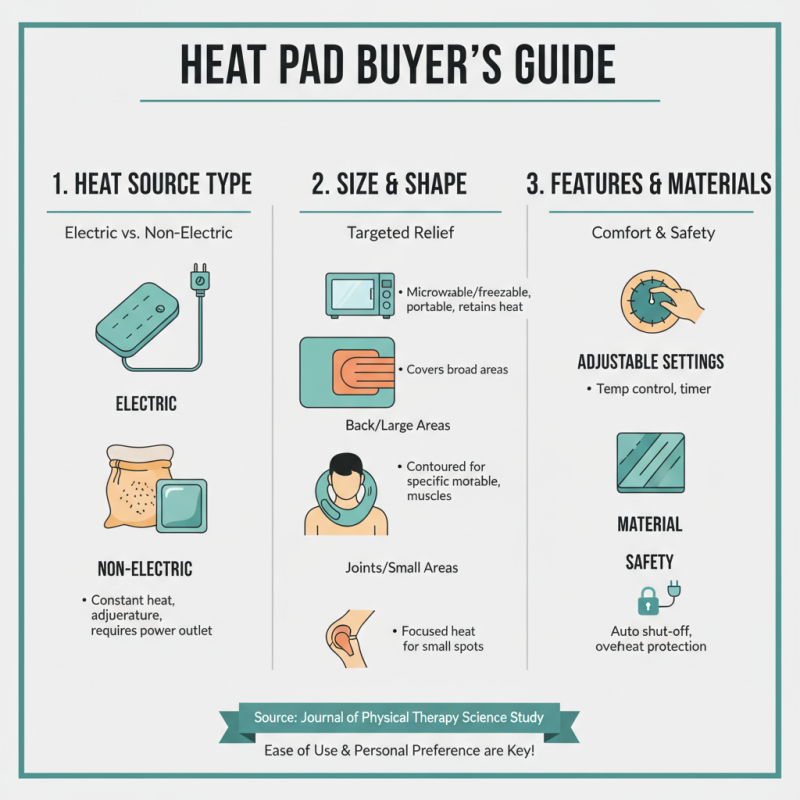
When selecting the right heat pad for pain relief, several key factors must be taken into account to ensure you make the best choice for your individual needs. The first factor is the type of heat source. Some heat pads use electric heating elements while others rely on materials that retain heat, such as microwavable grains or gel. According to a study published in the Journal of Physical Therapy Science, both electric and non-electric heat pads can be effective for alleviating muscle tension and promoting blood flow, but the choice may depend on ease of use and personal preference.
Another significant consideration is the pad's size and shape. Larger pads tend to cover more area, making them suitable for larger muscle groups or specific body parts such as the back or legs, while smaller pads might be better for localized pain relief in areas like the neck or shoulders. A report from the National Institutes of Health indicates that the effectiveness of heat therapy is often influenced by the surface area covered; using a larger pad can enhance pain relief by allowing for a more uniform distribution of heat.
Tips: When using a heat pad, it's essential to follow safety guidelines. Start with a lower temperature setting to prevent burns, particularly if you have sensitive skin. Additionally, consider a pad with adjustable heat settings and an automatic shut-off feature for added convenience and safety during use.
Safety Tips and Best Practices for Using Heat Pads Effectively
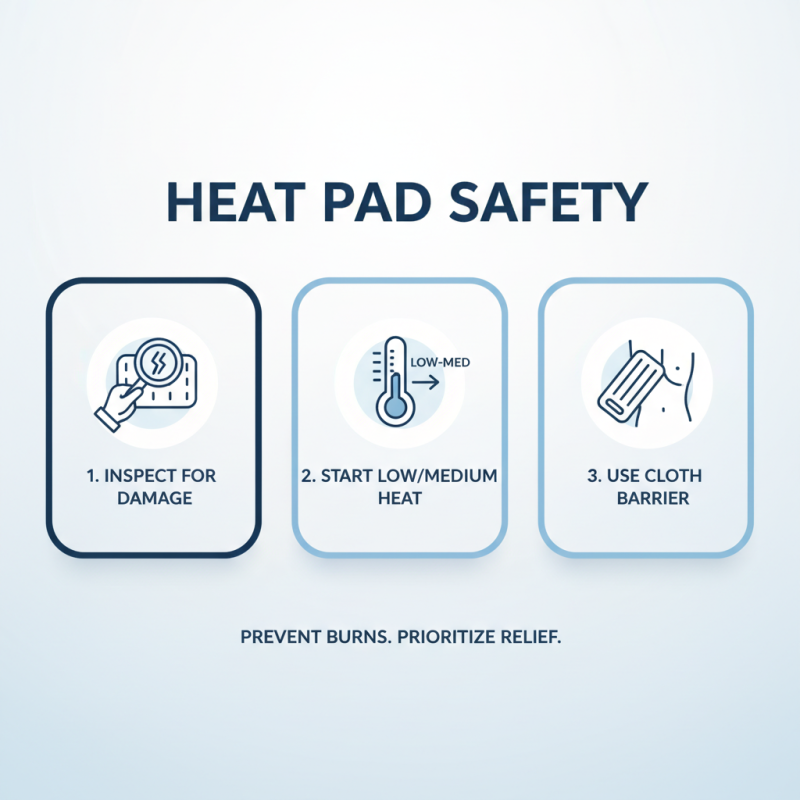
When using heat pads for pain relief, safety should always be a top priority to prevent burns or injuries. Before applying a heat pad, ensure that it is functioning properly by inspecting for any signs of wear or damage. Always use the heat pad on a low or medium setting initially, especially if you are using it for the first time or on a sensitive area of the body. It’s essential to place a thin cloth or towel between the heat pad and your skin to avoid direct contact, which can help prevent burns while still providing soothing relief.
Additionally, establish a time limit for usage to further minimize the risk of overheating. Limit application to 15-20 minutes at a time, allowing your skin to cool down in between sessions. If you start to feel excessive heat or discomfort, remove the heat pad immediately. Always stay in a comfortable position while using the heat pad, and never fall asleep with it on, as this can lead to prolonged direct heat exposure. By following these best practices, you can harness the benefits of heat therapy safely and effectively for pain relief.
Comparing Electric vs. Microwavable Heat Pads: Pros and Cons
When considering heat pads for pain relief, it's essential to compare the two main types:
electric and microwavable.
Electric heat pads are convenient for extended use, offering a steady stream of heat that can be adjusted to various temperature settings.
According to a report by the American Academy of Family Physicians, consistent heat can significantly aid in reducing muscle tension and promoting relaxation, making them a popular choice for chronic pain management.
However, they require a power source and may not be practical for everyone, especially those who prefer portability.
On the other hand, microwavable heat pads generally contain materials like rice or flaxseed, which can provide soothing heat without the need for electricity.
The National Institute of Health suggests that microwave heat pads can be particularly beneficial for acute pain relief, as they are easy to use and are often more comfortable for short-term treatment.
Additionally, they tend to be lightweight and can be used anywhere, making them suitable for on-the-go relief.
However, the heat may dissipate more quickly, necessitating frequent reheating for sustained comfort.
Tips for Choosing Heat Pads: When selecting between electric and microwavable options, consider your specific needs.
For long-term pain relief, electric pads may be best, while for occasional use or travel, microwavable pads offer more flexibility.
Always check for safety features, such as automatic shut-off for electric pads, and read usage instructions carefully for microwavable models to avoid burns.
Alternative Pain Relief Methods: When to Use Heat Pads or Other Options
When considering pain relief, heat pads are a popular option for soothing discomfort associated with muscle strain, menstrual cramps, and arthritis. The warmth provided by heat pads enhances blood circulation, eases stiffness, and promotes relaxation in the affected area. However, it is essential to recognize that heat is not always the best choice. In cases of acute injuries or inflammation, ice therapy may be more effective by numbing the pain and reducing swelling.
Alternatively, methods such as over-the-counter medications, physical therapy, and alternative practices like acupuncture can also offer substantial relief. Each approach has its own set of benefits and may be more suitable depending on the individual's condition and pain type. Understanding when to use heat pads versus other options can significantly improve the effectiveness of pain management strategies, ensuring that individuals find the most appropriate relief for their specific needs.
Ultimate Guide to Choosing the Best Heat Pads for Pain Relief Tips
| Heat Pad Type |
Best For |
Heat Duration |
Temperature Settings |
Cost Range |
| Electric Heat Pad |
Chronic Pain, Muscle Tension |
Continuous Use |
Multiple Settings |
$20 - $50 |
| Microwavable Heat Pack |
Localized Pain Relief |
About 30 Minutes |
N/A |
$10 - $30 |
| Gel Heat Packs |
Versatile Use, Travel |
Up to 15 Minutes |
N/A |
$5 - $20 |
| Heating Pads with Moisture |
Muscle Strains, Cramps |
Continuous Use |
Multiple Settings |
$25 - $60 |
| Electric Blanket |
Whole Body Relief |
Continuous Use |
Multiple Settings |
$30 - $100 |