Why Are Hand Warmers Essential for Cold Weather Activities?
Engaging in cold weather activities can be exhilarating. However, it also poses challenges, particularly regarding comfort and safety. Hand warmers are essential tools for anyone who enjoys outdoor adventures in chilly conditions. They provide instant heat, keeping hands warm and functional. It's crucial to stay warm to prevent frostbite and maintain dexterity.
Many winter sports enthusiasts rely on hand warmers. Skiers, snowboarders, and hikers often use them to ensure comfort during their activities. These small, portable products can easily fit into pockets or gloves. Their convenience allows for quick access whenever needed. Yet, not everyone understands the importance of hand warmers.
While they are popular, hand warmer efficacy varies. Some may find certain brands or types more reliable than others. Choosing the right hand warmer is essential for optimal warmth. It’s worth experimenting with different options to find the best fit for individual needs. In the end, the right hand warmers can enhance any cold weather experience, helping everyone enjoy the outdoors safely.

The Importance of Hand Warmers in Cold Weather Activities
Cold weather can be harsh, especially during outdoor activities. Hand warmers are vital for anyone who loves spending time outside. When temperatures drop, fingers and toes often suffer first. Hands can become numb and lose dexterity. This can make simple tasks, like holding a ski pole or gripping a tool, nearly impossible.
Hand warmers offer quick relief from cold. They come in various forms, including disposable ones and reusable packs. When placed in gloves or pockets, they radiate heat. This warmth helps maintain circulation and comfort. Imagine hiking on a chilly day. You pull out a warm pack and feel the instant comfort. It enhances your overall experience.
However, relying solely on hand warmers isn't the answer. One must consider layering clothing and staying active. Cold weather can lead to serious issues like frostbite. Hand warmers are a great tool, but they should complement good practices. Reflecting on your cold weather gear can prevent discomfort and injury.
How Hand Warmers Work: Principles of Heat Generation
Hand warmers serve a vital role in cold weather activities. They utilize a simple principle of heat generation that can be fascinating. Most hand warmers operate on exothermic reactions. These reactions release heat when chemical substances mix. For instance, iron powder and oxygen can create a heat-generating reaction. This method is efficient, providing warmth for several hours.
According to a report by the Outdoor Industry Association, nearly 70% of outdoor enthusiasts cite cold temperatures as a major barrier to enjoyment. In such cases, hand warmers can enhance comfort and performance. Users can maintain dexterity and overall warmth while engaging in activities like skiing or hiking. These warming products can increase time spent outdoors, especially during winter months.
Research indicates that raising body temperature even slightly can significantly improve comfort levels. However, not all hand warmers are created equal. Some may not perform effectively in extreme conditions, leading to disappointments. It's crucial to choose wisely based on activity and environmental factors. Ensuring a reliable source of warmth can make winter adventures more enjoyable, despite the challenges.
Different Types of Hand Warmers: Chemical, Electric, and More
When venturing into cold weather, hand warmers become vital. They provide immediate warmth and comfort. Whether skiing, hiking, or just waiting at a bus stop, staying warm is crucial. Cold fingers can lead to discomfort and even frostbite. Having a reliable heat source is essential for outdoor enthusiasts.
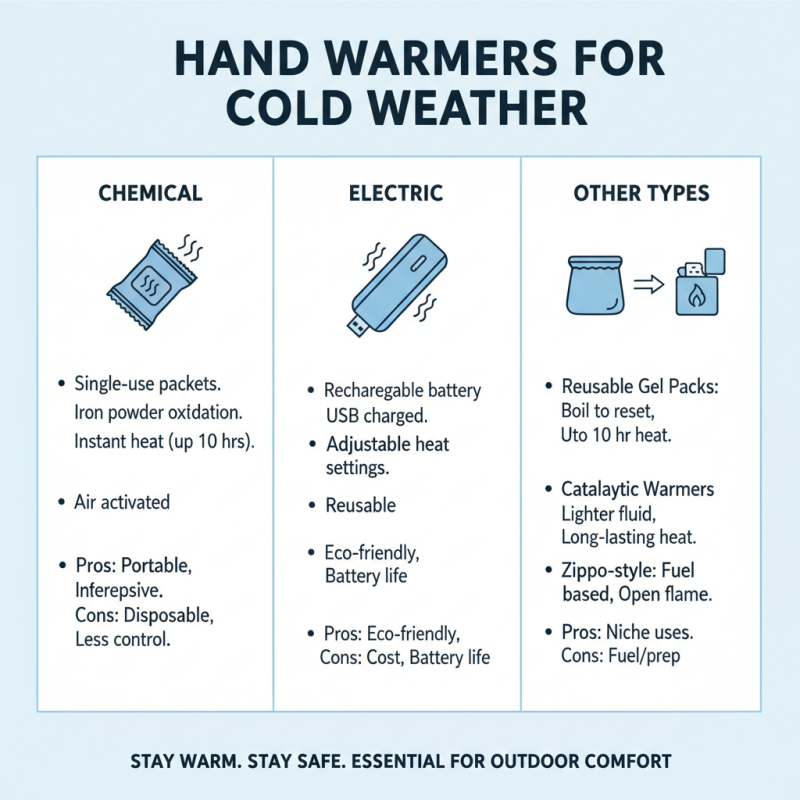
Different types of hand warmers cater to various needs. Chemical hand warmers are popular. They generate heat through a simple chemical reaction. These are convenient and can last several hours. Electric hand warmers come with rechargeable batteries. They offer adjustable heat levels, perfect for prolonged activities. However, they require access to electricity for charging.
Using hand warmers enhances the enjoyment of winter activities. Choosing the right type is important. Some people may find chemical warmers too hot. Others may prefer the consistent heat of electric ones. Ensuring warmth while being engaged in activities can be tricky. Balancing comfort with practicality is key. Experimenting with different options can lead to the most enjoyable experience.
Safety Considerations When Using Hand Warmers Outdoors
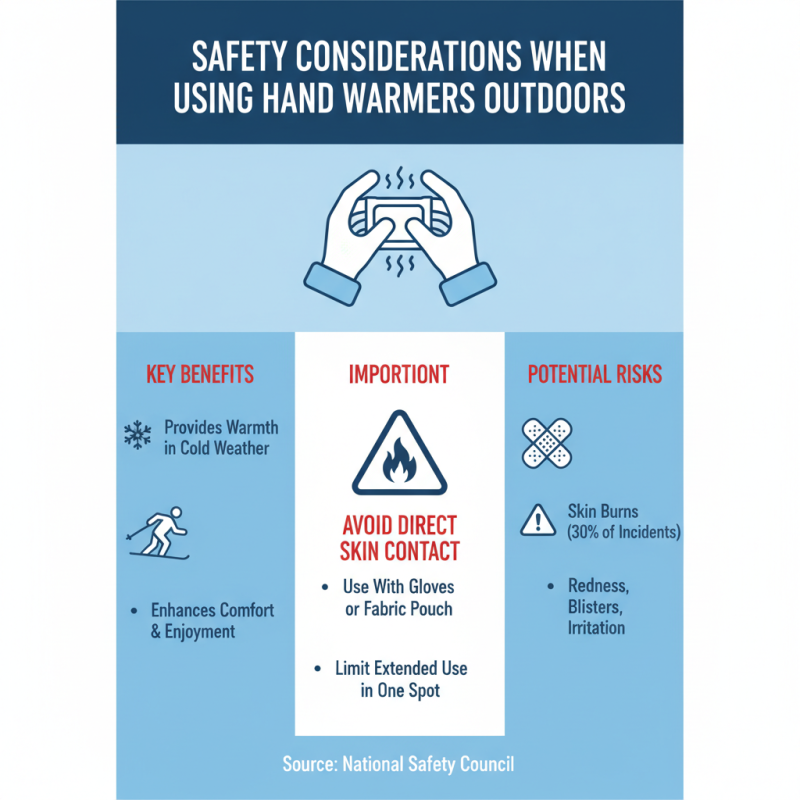
When enjoying outdoor activities in cold weather, hand warmers become vital. However, safety must always be prioritized. The National Safety Council emphasizes that improper use can lead to injuries, including burns. Reports show that nearly 30% of hand warmer-related incidents involve skin burns due to direct contact with the skin for extended periods.
Using hand warmers safely requires attention. Always place them in pockets or inside gloves, away from bare skin. Avoid sleeping with them in your sleeping bag, as this can lead to overheating issues. Pay attention to your body. If you feel any discomfort, remove the warmer immediately.
Tip: Choose reusable hand warmers. They tend to distribute heat more evenly and reduce the risk of accidents. Always read the instructions on the product. Some hand warmers can reach temperatures above 150°F, which can cause burns within minutes. Monitoring usage time is essential.
Staying warm should not compromise safety. Check for leaks or damage before use. If a hand warmer appears damaged, do not use it. Understanding these guidelines can make your cold weather activities safer and more enjoyable.
Best Practices for Using Hand Warmers During Winter Activities
When engaging in winter activities, hand warmers can be a game changer. They provide immediate warmth and comfort when temperatures drop. To use hand warmers effectively, find one that suits your needs—air-activated, chemical, or electric. Each type has unique features. Understand these differences to make informed choices.
Placement matters. For optimal warmth, keep hand warmers near your core. This helps maintain overall body heat. However, be cautious of direct skin contact, as some warmers may cause burns. Test the warmth on your clothing first. Layer your gloves for added insulation too.
Time management is crucial. Use hand warmers strategically. Activate them just before stepping outside. They typically last several hours, but effectiveness may decrease in extreme cold. Reassess regularly to ensure they’re still providing warmth. Remember, while hand warmers are helpful, they’re not a substitute for proper winter gear. Use them as an adjunct to enhance your warmth and comfort outdoors.
Temperature Drop and Usage Frequency of Hand Warmers
This bar chart illustrates the frequency of hand warmer usage across different temperature ranges during winter activities. As temperatures drop, the usage frequency of hand warmers increases significantly, showcasing their importance in cold weather activities.