How to Effectively Use Patch Heat for Pain Relief?
Pain management is essential for many individuals. One effective tool is Patch Heat. These patches provide localized warmth to soothe discomfort. They are not a cure-all but can significantly ease pain.
Using Patch Heat can be simple and convenient. The patches adhere to the skin and release heat over time. This warmth helps relax muscles and improve blood circulation. Many people find relief from conditions like arthritis or muscle strains.
However, it’s important to reflect on proper usage. Excessive heat can cause skin irritation. Not everyone responds the same way to Patch Heat. Experimenting with duration and placement can help find what works best. Ultimately, Patch Heat is a valuable resource, but its effectiveness may vary.
Understanding Patch Heat Therapy for Pain Relief
Patch heat therapy has gained popularity for its effectiveness in providing pain relief. This method uses heat patches, which apply localized warmth to painful areas. They help relax muscles and improve blood circulation, which can alleviate discomfort. Understanding how to use patch heat properly can enhance its benefits.
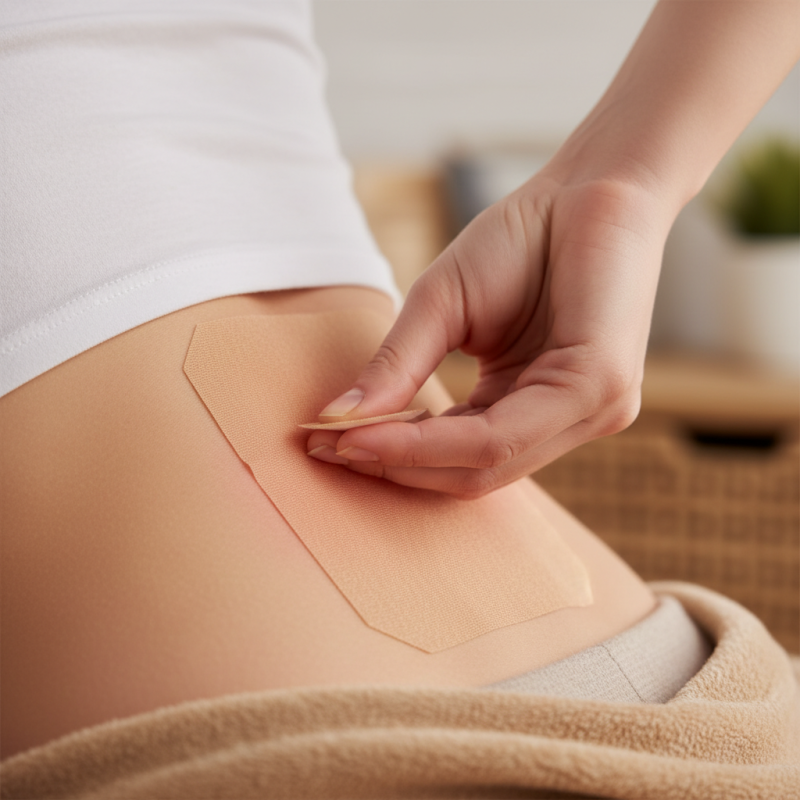
When using heat patches, it’s crucial to follow the instructions. Ensure that the skin is clean and dry before application. Place the patch directly over the painful area. This ensures better heat transfer. Avoid keeping the patch on for too long. Overuse may cause skin irritation, which could worsen your discomfort. It’s a balancing act between relief and care.
Tips to maximize patch heat therapy include choosing the right duration. Most patches are effective for several hours. However, experimenting with shorter intervals can yield better comfort. Keep track of your body’s reactions, noting any signs of irritation. This self-awareness is essential for effective treatment. Remember, everyone’s body responds differently, so adjust your approach accordingly.
Types of Heat Patches and Their Applications
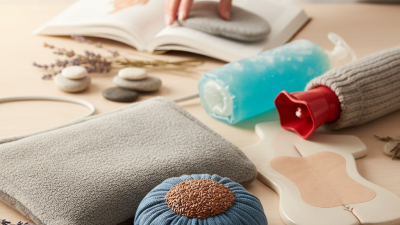
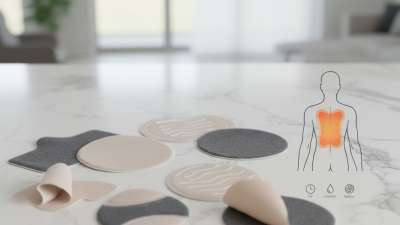
When considering heat patches for pain relief, understanding the types available is crucial. Common types include adhesive patches, thermal wraps, and heated gels. Adhesive patches are easy to use. They stick directly to the skin. Thermal wraps offer broader coverage and often stay on longer.
Each type has its specific applications. Adhesive patches work well for localized pain, like muscle soreness. Thermal wraps are suitable for larger areas, such as the back. Heated gels provide targeted warmth but might require reapplication. Knowing what suits your need can enhance relief significantly.
Tips: Start with clean, dry skin to ensure better adhesion. Avoid using heat patches on broken skin. Monitor the duration of use to prevent burns. If you experience discomfort, remove the patch immediately. Take time to assess the effectiveness of your choice. It may not always yield immediate results. Be open to experimentation.
How to Effectively Use Patch Heat for Pain Relief? - Types of Heat Patches and Their Applications
| Type of Heat Patch |
Primary Use |
Duration of Heat |
Recommended Application Area |
| Adhesive Heat Patches |
Muscle and joint pain relief |
8-12 hours |
Back, neck, shoulders |
| Microwave Heat Packs |
Chronic pain relief |
20-30 minutes |
Various body parts |
| Electric Heating Pads |
Severe muscular pain |
Variable (adjustable) |
Lower back, knees, abdomen |
| Reusable Gel Packs |
Post-injury recovery |
20-40 minutes (after heating) |
Around injury sites |
| Disposable Heat Wraps |
Menstrual discomfort |
8-10 hours |
Abdomen |
How to Properly Apply Heat Patches for Maximum Effectiveness
Applying heat patches for pain relief can be simple yet effective. To start, ensure the skin is clean and dry. This step is crucial as moisture can reduce adhesion and effectiveness. When you place the patch, do so gently. Avoid stretching it too much; it's vital for even heat distribution.
Next, pay attention to the patch's positioning. Place it directly over the painful area. Adjust it to achieve optimal comfort. Too tight can cause discomfort, while too loose may fall off easily. It's essential to monitor your skin for any irritation. Heat should feel soothing, not painful.
Remember, duration matters. Heat patches usually have a recommended use time. Avoid leaving them on for longer than suggested. This helps prevent unwanted skin reactions. Individual responses to heat can vary, so listen to your body. If something feels off, reflect on your approach and make adjustments as needed.
Safety Precautions and Potential Side Effects of Heat Therapy
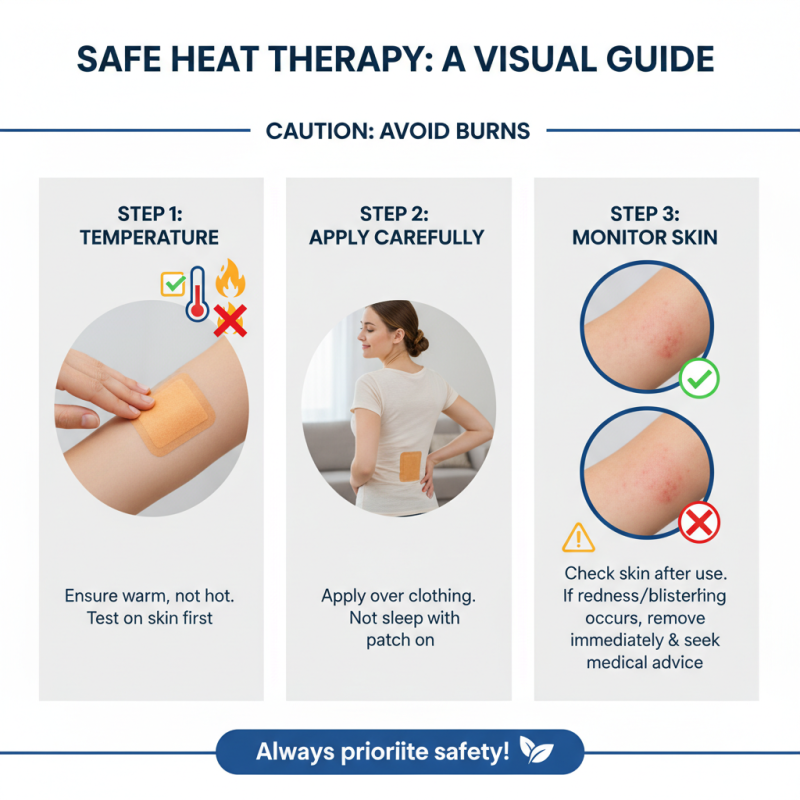
Heat therapy can be an effective method for pain relief, but it’s essential to follow safety precautions. When using patch heat, you should ensure that the temperature is not too high. Excessive heat can lead to burns. Always check the skin for any signs of irritation after use. If redness or blistering occurs, discontinue use immediately.
Tips for safe heat therapy: Keep a towel between the heat source and your skin. This barrier can help prevent burns. Use patch heat for short intervals, such as 15 to 20 minutes. Avoid heat therapy if you have decreased sensitivity in the area. This precaution is crucial to avoid further injury.
Some people may experience side effects like minor skin irritation. While this is often temporary, you should monitor your skin closely. If irritation persists, seek advice from a healthcare professional. Recognizing your body’s signals is critical. Heat therapy isn’t suitable for everyone. Reflect on how your body reacts to treatments.
When to Seek Professional Help for Chronic Pain Issues
Chronic pain can be overwhelming. It's essential to recognize when you should seek professional help. Ignoring persistent pain may lead to more severe health problems. If your pain lasts longer than three months, consider contacting a healthcare provider.
Tips: Maintain a pain diary. Note when the pain occurs. Record its intensity and triggers. This information can help your doctor pinpoint the issue. Don’t be embarrassed to talk about your pain. Many people experience these feelings. Your experience is valid.
Sometimes, pain signals deeper issues. If you notice changes in mobility or have numbness, seek help sooner. For severe pain that disrupts your daily life, don’t wait. Trust your instincts. It’s better to be proactive. Share your symptoms openly; this can lead to tailored treatment options.
Tips: Research pain management specialists in your area. Ask for recommendations. Being informed can empower you. Make a list of questions for your appointment. This ensures you cover everything important.
Effectiveness of Patch Heat for Pain Relief
This bar chart illustrates the percentage of users reporting relief from different levels of pain when using patch heat treatments. As shown, users with mild and moderate pain experience the highest relief rates, while those with severe or chronic pain report significantly lower effectiveness, highlighting the need for professional guidance in more intense pain scenarios.