How to Choose the Best Heat Patches for Pain Relief?
When selecting the best heat patches for pain relief, understanding the options available is crucial. Dr. Emily Carter, a leading expert in pain management, emphasizes, “The right heat patch can significantly enhance comfort and recovery.” Heat patches provide targeted warmth that can ease chronic pain, muscle tension, and discomfort from injuries.
Exploring the market for heat patches reveals a variety of choices. It’s essential to consider factors such as temperature control, duration of heat, and adhesive strength. Some patches may not offer the desired warmth or stay attached effectively, leading to frustration. A thorough comparison can help avoid these pitfalls.
Despite their benefits, heat patches are not a one-size-fits-all solution. Individual preferences vary, and what works well for one person may not suit another. Being mindful of these differences is vital. Seeking advice from professionals or reading reviews can guide better decisions. Ultimately, the goal is to find heat patches that truly relieve pain and enhance overall well-being.

Understanding the Different Types of Heat Patches for Pain Relief
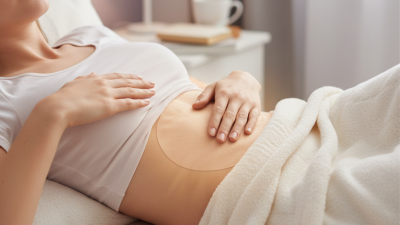
When it comes to heat patches, understanding the different types is crucial for effective pain relief. A common option is adhesive heat patches. These are applied directly to the skin and provide targeted relief. They are user-friendly and can be worn discreetly throughout the day. Users often appreciate their convenience, especially during busy routines.
Another type includes microwaveable heat packs. These products can be heated quickly and molded to any body part. They offer versatility but require a microwave, which may not be available to everyone. Some people find them less practical for on-the-go use. Additionally, the heat can sometimes dissipate quickly, leaving users wanting more intense warmth over time.
Lastly, there are electric heat pads that offer adjustable settings. They allow for consistent warmth and ease of use. However, the dependency on power sources makes them less portable. Many find that they are best used at home, where they can be plugged in comfortably. Consider these options based on your daily life and preferences.
Assessing Your Pain Type and Location for Heat Patch Selection
When assessing your pain type and location for heat patch selection, it’s essential to reflect on your specific discomfort. Consider where the pain resides. Is it localized, like in your neck or lower back? Or is it more diffuse, like muscle soreness after exercise? Identifying the pain source helps narrow down your options for heat patches.
For instance, small patches work well for localized pain, while larger ones may be necessary for broader areas.
Understanding the intensity of your pain is also crucial. If the pain is sharp, you might need a heat patch that delivers consistent warmth for longer periods. Heat can increase blood flow and relax muscles, which often aids in reducing discomfort. Yet, if you're unsure, experimenting with different heat levels is beneficial.
Some patches offer adjustable temperatures, which could be a game-changer.
Finally, consider your activities. Will you be active or resting? Some patches are designed for flexibility, allowing for movement without falling off. Reflecting on your daily routine can help guide your decision. Choosing the right heat patch involves personal experience and awareness of your body’s needs. Experimentation may lead to the best fit for your lifestyle and pain relief goals.
Ingredients and Materials to Look for in Effective Heat Patches
When selecting heat patches for pain relief, the ingredients and materials used are crucial. Effective patches typically contain warming agents like capsaicin, menthol, or eucalyptus oil. Capsaicin is derived from chili peppers and can provide significant pain relief by depleting substance P, a neuropeptide associated with pain sensation. Research indicates that capsaicin can reduce discomfort by up to 30% for some users.
The adhesive used is equally important. High-quality patches use hypoallergenic adhesives that reduce skin irritation. Adhesives should also allow for breathability to prevent excess moisture buildup. A study by the Journal of Pain Research found that users prefer patches that stayed securely in place without slipping. Additionally, the backing material should be flexible yet durable, allowing for movement without detachment.
While it's essential to consider these factors, individual experiences with heat patches can vary. Not every ingredient works for everyone. Some may find capsaicin too intense, while others may not feel its effects fully. It's vital to test different products to find the most suitable one for your needs. Always consult healthcare professionals for personalized advice.
Evaluating the Duration and Temperature of Heat Patches
When assessing heat patches for pain relief, both duration and temperature are crucial elements. Research indicates that effective heat patches can maintain a temperature of about 40-50°C. This moderate heat allows for muscle relaxation and pain alleviation. However, patches that get too hot can cause burns or discomfort, highlighting the importance of safety. Users should pay close attention to instructions regarding duration. Many patches are designed for 8 to 12 hours of use, while others may offer shorter relief. Monitoring usage time is essential to avoid adverse effects.
Tips: Test the patch on a small skin area first. This helps gauge your skin’s reaction. Always follow the manufacturer's guidance for optimal usage.
Evaluating the longevity of heat patches is also vital. Studies suggest consistent heat therapy can yield better results for chronic conditions over intermittent use. The texture and material of the patch may impact how well it retains heat. Some users find that fabric-based patches adhere better, while others prefer a flexible, thin design. Reflecting on personal experiences can help identify what works best, as not every patch performs identically for each individual.
Tips: Keep a log of your experiences with different patches. Record temperature, duration, and pain levels. This data may help inform future choices.
Safety Considerations and Proper Usage of Heat Patches
When using heat patches, safety is paramount. Always read the instructions on the packaging before application. Heat patches are designed for specific durations. Exceeding this time can lead to skin irritation or burns. It’s essential to test the patch on a small skin area. This will help you gauge your skin’s reaction before full use.
Avoid using heat patches on broken skin or areas with reduced sensation. These conditions can escalate risks. If you have certain health conditions, like diabetes or circulatory issues, seek advice from a healthcare provider. Individual responses to heat can vary widely. Monitoring symptoms is crucial after application.
Proper usage enhances benefits. Applying the patch to clean, dry skin can improve effectiveness. Remember to store unused patches in a cool, dry place. Heat patches may seem straightforward, but they require mindful application. Reflect on your experience with each use. Understand your body’s signals. This will guide you in identifying the best practices for your needs.