How to Choose a Warm Pad for Back Pain Relief?
Choosing the right warm pad for back pain relief can be challenging. Many options are available, each with different features. A warm pad for back pain can provide soothing comfort, but how do you know which one to pick?
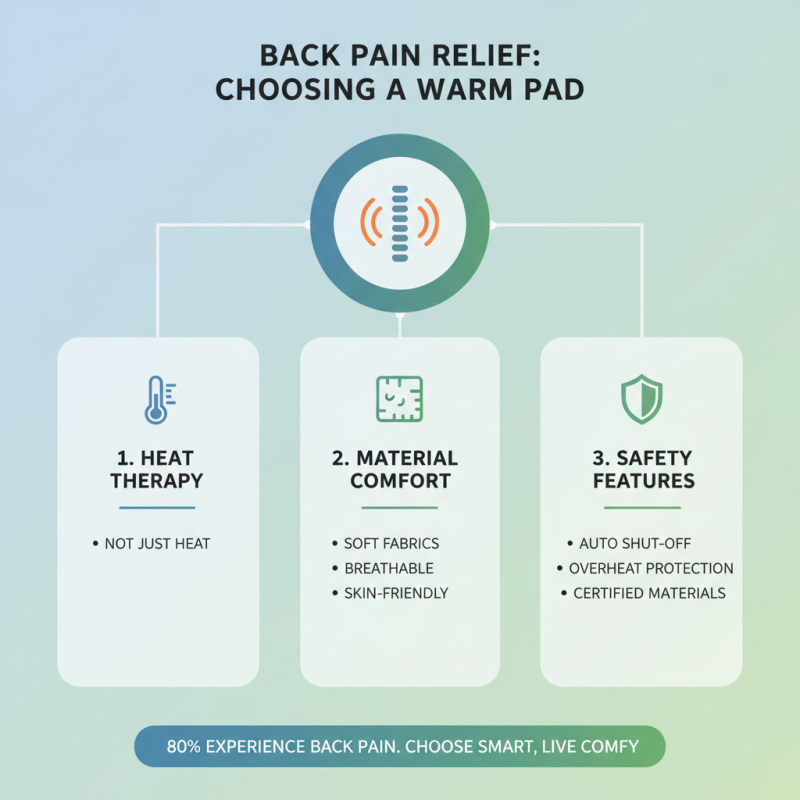
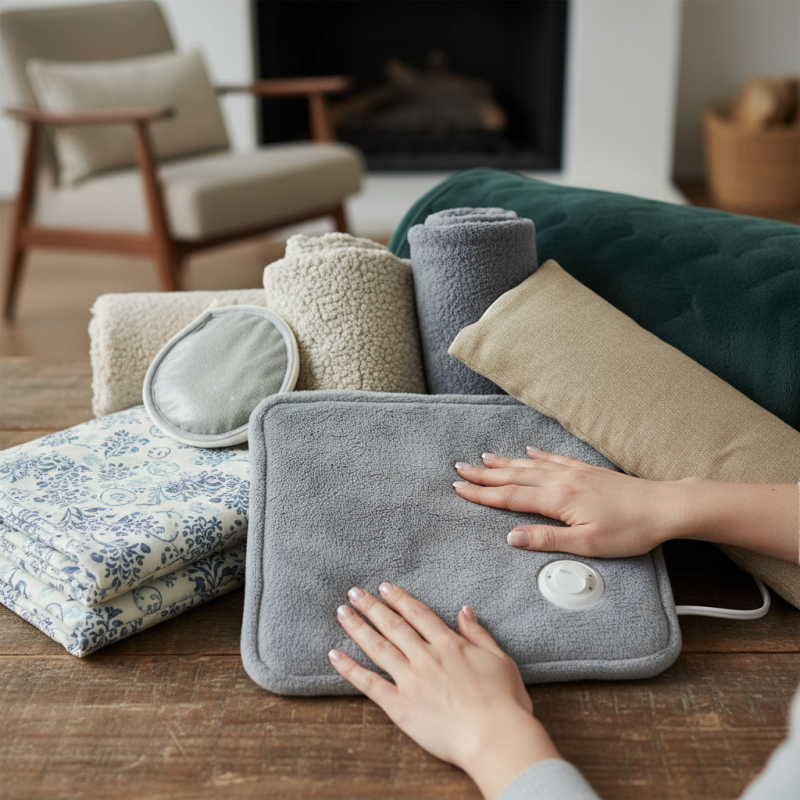
When selecting a warm pad, consider the material. Fleece and cotton are common, but each has unique benefits. Fleece retains heat well, while cotton offers breathability. Think about your body’s needs. Are you looking for something portable? Or do you prefer a larger pad for all-over comfort?
The method of heat delivery also matters. Electric warm pads provide adjustable temperatures but may require a power source. Microwavable pads are convenient but may stay warm for shorter periods. Reflect on your lifestyle and preferences. A well-chosen pad can ease discomfort and improve daily living, but a poor choice might lead to frustration. Evaluate your options carefully to find the best warm pad for back pain relief.
Understanding Different Types of Warm Pads for Back Pain Relief
When selecting a warm pad for back pain relief, understanding the various types is essential. Heating pads, electric blankets, and microwavable pads all offer distinct advantages. According to a report from the American Physical Therapy Association, heat therapy can reduce muscle tension and alleviate pain, making it a popular choice. Electric heating pads often provide consistent warmth. However, users must monitor the temperature to prevent burns.
Microwavable options, filled with grains or gel, provide targeted heat but require careful handling. Studies show that localized heat can enhance blood circulation, aiding recovery. The National Institutes of Health suggests that moist heat may be more effective than dry heat for some individuals. Still, personal comfort plays a vital role in pad selection. Many users report difficulty finding the perfect temperature or size.
Electric pads sometimes come with timers, but they may not last as long as traditional options. Users have shared experiences of pads failing or not heating adequately. This inconsistency can be frustrating, especially during acute pain episodes. Evaluating each type's pros and cons is key. Balancing warmth, comfort, and safety should guide your decision-making process.
Warm Pad Types and Their Effectiveness for Back Pain Relief
This bar chart illustrates the effectiveness ratings of various types of warm pads used for back pain relief, measured on a scale from 1 to 10 based on user feedback.
Evaluating Heat Sources: Electric vs. Microwavable Warm Pads
When considering warm pads for back pain relief, you may encounter two primary types: electric and microwavable. Electric pads offer consistent heat, perfect for prolonged use. They often come equipped with adjustable temperature settings. This feature allows you to customize heat levels based on your comfort. However, you may worry about safety. Leaving an electric pad on too long can pose risks. Always remember to take breaks.
Microwavable pads are a different story. They provide heat without cords, making them portable and convenient. You simply warm them in the microwave. They can usually be used anywhere and are often filled with natural materials like grain or seeds. However, their heat may dissipate quickly. You might find yourself re-microwaving them several times. Moreover, their convenience comes at the cost of fewer temperature control options.
Both types have pros and cons. Electric pads can feel more reliable, but they need careful monitoring. Microwavable pads are easy to use, albeit requiring frequent reheating. Consider your daily routine and preferences when choosing. Small nuances might make a significant difference in your overall experience.
Determining the Right Size and Shape for Targeted Relief
Choosing the right size and shape for a warm pad can significantly impact back pain relief. According to the American Physical Therapy Association, improper sizing can lead to ineffective treatment. A pad that is too small will not cover the painful area adequately. Conversely, one that is too large may prevent targeted heat therapy. This suggests that size is critical in achieving the desired relief.
The shape of the warm pad also plays a key role. Many people prefer pads that conform to the body's contours. Studies indicate that pads designed ergonomically fit snugly around the lumbar region. This design enhances heat retention and increases blood circulation. In fact, research from the National Institutes of Health shows that targeted heat can relax muscle tension effectively.
While there are many options available, not all pads meet individual needs. Some may find rectangular pads don’t provide adequate coverage for the lower back. Others may dislike the bulkiness of larger, shaped pads. It’s essential to try different options to find what feels right. A trial and error approach can be both frustrating and necessary. Understanding personal comfort and effectiveness can lead to better choices in pain management strategies.
Tips for Proper Usage and Maintenance of Warm Pads
When using warm pads for back pain relief, proper usage is crucial. Warm pads can provide soothing heat, improving blood circulation and alleviating muscle tension. Studies show that heat therapy can reduce pain perception by up to 50%. However, it's essential to apply warmth safely.
One common mistake is using excessive heat. Always test the pad before placing it on your skin. A comfortable temperature ranges around 104°F to 113°F. Use the pad for 15-30 minutes, and take breaks to avoid burns. Never sleep with a warm pad, as it can lead to overheating. Follow the manufacturer’s instructions for optimal usage.
Maintaining your warm pad is equally important. Regularly check for damage or wear. Clean the pad following the care instructions to prevent bacteria growth. An unclean pad may worsen your back pain rather than help. Additionally, store it in a cool, dry place to increase its lifespan. Small neglects can lead to significant issues, impacting your pain relief routine.