What is the Best Warm Pad For Back Pain Relief and How Does It Work
When it comes to managing back pain, many people seek effective and non-invasive remedies. One popular solution that has garnered attention is the use of a warm pad for back pain relief. This simple yet effective tool harnesses the power of heat to help alleviate discomfort and promote healing in the back region. Understanding how a warm pad works and its benefits can empower individuals to make informed decisions about their pain management strategies.
Warm pads can provide soothing relief by increasing blood flow to the affected area, reducing muscle tension, and promoting relaxation. The gentle heat helps to alleviate stiffness, making it easier for individuals to engage in everyday activities without discomfort. With various types of warm pads available, it is essential to explore their functionality and features to determine which option may be best suited for personal needs.
In this article, we will delve into the best warm pad for back pain relief, examining its effectiveness, how it works, and the factors to consider when choosing the right product for your individual circumstances. Whether you're seeking relief from chronic back pain or occasional muscle strain, understanding the role of heat therapy can be a valuable addition to your pain relief toolkit.
Types of Warm Pads Available for Back Pain Relief
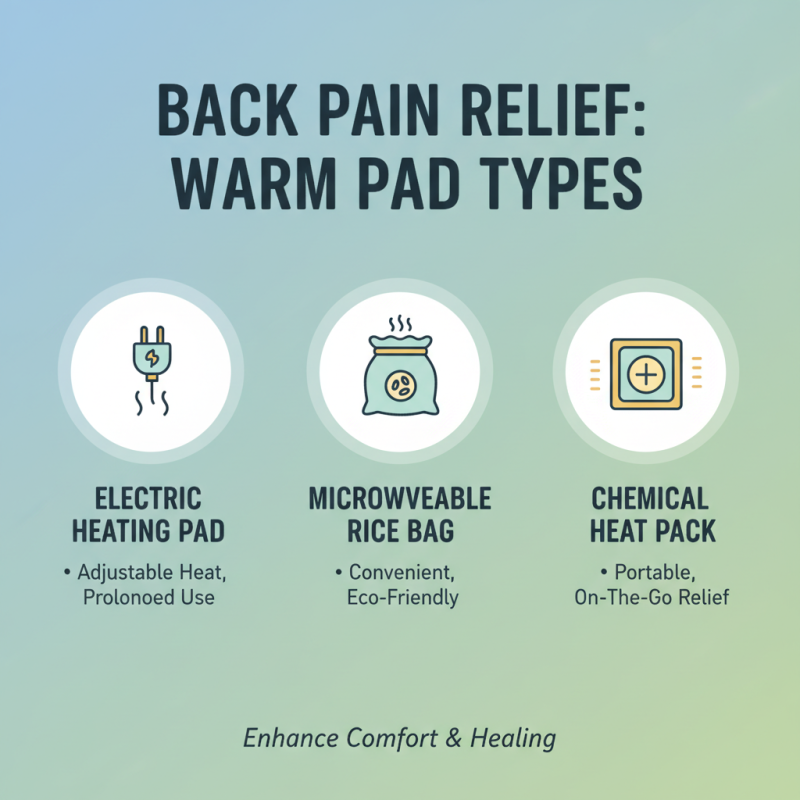
When it comes to managing back pain, choosing the right warm pad can significantly enhance comfort and promote healing. Warm pads come in various types, each designed to cater to different needs and preferences. The most common types include electric heating pads, microwaveable rice bags, and chemical heat packs. Electric heating pads often provide adjustable heat settings, making them ideal for prolonged use. Conversely, microwaveable rice bags are convenient and eco-friendly, while chemical heat packs offer a portable solution for on-the-go relief.
A recent industry report from the American Pain Society highlights that approximately 80% of adults experience back pain at some point in their lives. Consequently, effective heat therapies, such as the use of warm pads, have been shown to improve blood flow and reduce muscle stiffness, helping alleviate discomfort. According to the Journal of Pain Research, heat therapy can increase the elasticity of collagen, enhancing mobility in individuals with chronic back pain.
Tips for effective use of warm pads include ensuring that the pad does not cover sensitive areas directly for too long to avoid burns, and using a timer for electric pads to control usage duration. Additionally, pairing heat therapy with gentle stretching exercises can further aid in loosening tight muscles, maximizing the benefits of the warm pad. Always consult a healthcare professional before beginning any new treatment to ensure it's suitable for your specific condition.
How Warm Pads Provide Therapeutic Benefits for Back Pain
Warm pads have long been a favored method for alleviating back pain, offering comfort and relief through gentle heat. The therapeutic benefits of warm pads stem from their ability to increase blood flow to the affected area, relax tense muscles, and reduce stiffness. This increased circulation helps to deliver vital nutrients and oxygen to the tissues, promoting healing and easing pain. Additionally, the warmth can stimulate the production of endorphins, the body's natural painkillers, providing a soothing effect that can significantly improve one’s quality of life.
To maximize the benefits of warm pads, consider these tips: first, always apply the warm pad for short intervals, typically around 15-20 minutes at a time, to avoid overheating the skin. It’s important to create a comfortable environment, setting aside time to relax while using the pad to enhance its stress-relief benefits. Furthermore, ensure the pad is at a safe, comfortable temperature before application to prevent burns or discomfort.
When using warm pads, listen to your body. If you experience an increase in pain or discomfort, it may be time to adjust the heat level or consult a healthcare provider. Remember, while warm pads can provide temporary relief, they are most effective when combined with other therapies and a proper exercise regimen to strengthen the back and improve overall health.
Factors to Consider When Choosing the Best Warm Pad
When selecting the best warm pad for back pain relief, there are several critical factors to consider to ensure effectiveness and comfort. First, the material of the pad plays a significant role in heat retention and overall user satisfaction. According to a report by the American Pain Society, materials that provide rapid heat conduction, such as microfibers or memory foam, are more effective in delivering soothing warmth directly to the affected muscles. Additionally, the texture of the fabric can contribute to comfort levels, which is essential for prolonged use.
Another aspect to take into account is the heat settings and duration of use. Many warm pads now offer adjustable temperature levels, catering to individual preferences and specific pain relief needs. Research indicates that applying heat at a consistent temperature between 104°F (40°C) and 113°F (45°C) for 15 to 30 minutes can significantly reduce muscle tension and increase blood flow, as reported in the Journal of Orthopaedic & Sports Physical Therapy. Furthermore, the option for automatic shut-off functions enhances safety and convenience, allowing users to relax without worrying about overheating.
Lastly, portability and ease of maintenance are also vital considerations. A lightweight and flexible design can facilitate use in various settings, whether at home or on the go. Moreover, pads that are machine washable offer convenience and hygiene, ensuring they can be cleaned easily after each use. These factors combined contribute to a warm pad that not only alleviates back pain effectively but also enhances the overall user experience.
Guidelines for Safe and Effective Use of Warm Pads
When using warm pads for back pain relief, it’s crucial to follow guidelines that ensure both safety and effectiveness. First and foremost, it’s important to select a warm pad that maintains a consistent temperature. Overheating can lead to skin burns or irritation, so a pad with adjustable settings can be beneficial. Always start with a lower temperature and gradually increase it to find what feels comfortable. It’s advisable to use the warm pad for intervals of 15 to 20 minutes at a time, allowing the skin to cool between sessions to avoid any adverse effects.
In addition to proper temperature control, the placement and timing of the warm pad usage are significant. Targeting the affected area directly can enhance relaxation of the muscles and improve blood circulation. For best results, apply the warm pad in a comfortable position that allows you to relax fully. It's also essential to monitor your body’s response; if you experience increased pain or discomfort, discontinue use immediately. Individuals with certain conditions, such as diabetes or skin sensitivities, should consult a healthcare professional before incorporating warm pads into their pain relief routine.
What is the Best Warm Pad For Back Pain Relief and How Does It Work - Guidelines for Safe and Effective Use of Warm Pads
| Warm Pad Type |
Temperature Range (°F) |
Heat Source |
Duration of Heat Retention |
Best Use Cases |
| Electric Heating Pad |
100 - 160 |
Electric |
Up to 2 hours |
Chronic Pain, Muscle Spasms |
| Microwavable Rice Pad |
110 - 140 |
Microwave |
30 - 60 minutes |
Acute Pain, Stress Relief |
| Hot Water Bottle |
90 - 130 |
Hot Water |
1 - 2 hours |
Cramps, General Aches |
| Gel Heat Pack |
100 - 140 |
Heating Pad |
30 - 45 minutes |
Post-Surgery Relief, Sports Injuries |
| Self-Heating Pad |
100 - 130 |
Chemical Reaction |
Up to 8 hours |
Travel, On-the-Go Relief |
Alternative Treatments to Complement Warm Pad Therapy for Back Pain
When managing back pain, warm pad therapy is often a first-line treatment, but combining it with alternative therapies can enhance relief and improve overall outcomes. Techniques such as yoga and gentle stretching are beneficial, as they not only promote flexibility but also help strengthen the back muscles, reducing the likelihood of future pain. Incorporating regular physical activity into one’s routine, even in a low-impact form, can stimulate blood flow, thereby expediting the healing process.
Another complementary approach is the use of mindfulness and relaxation techniques. Practices like meditation or deep breathing exercises can help reduce stress and tension in the body, which often exacerbates pain. Additionally, therapeutic massage can provide immediate relief by targeting the muscles and knots that contribute to discomfort. By creating a holistic treatment plan that combines warm pad therapy with these alternative methods, individuals can address both the symptoms and underlying causes of their back pain more effectively.