Top 10 Benefits of Warmer Body in Daily Life for Health and Comfort
A warmer body can profoundly impact our daily lives. Many people overlook the advantages of maintaining an optimal body temperature. It goes beyond mere comfort; it is about health and wellness. A warmer body aids in better circulation. This can enhance mood and energy levels.
Consider how a cooler environment can drain our vitality. Cold can lead to stiffness and discomfort. Imagine waking up on a chilly morning. It can be hard to find motivation. In contrast, a warmer body offers a sense of coziness. It promotes relaxation and helps alleviate stress. Many people feel more at ease when their bodies are warm.
However, some may take warmth for granted. We often seek comfort but ignore the signals our bodies send. It’s essential to pay attention to how warmth influences our well-being. Our lifestyles can affect our core temperature. Finding balance is key. Recognizing the importance of a warmer body can lead to healthier habits.

Benefits of a Warmer Body for Enhanced Metabolism and Energy Levels
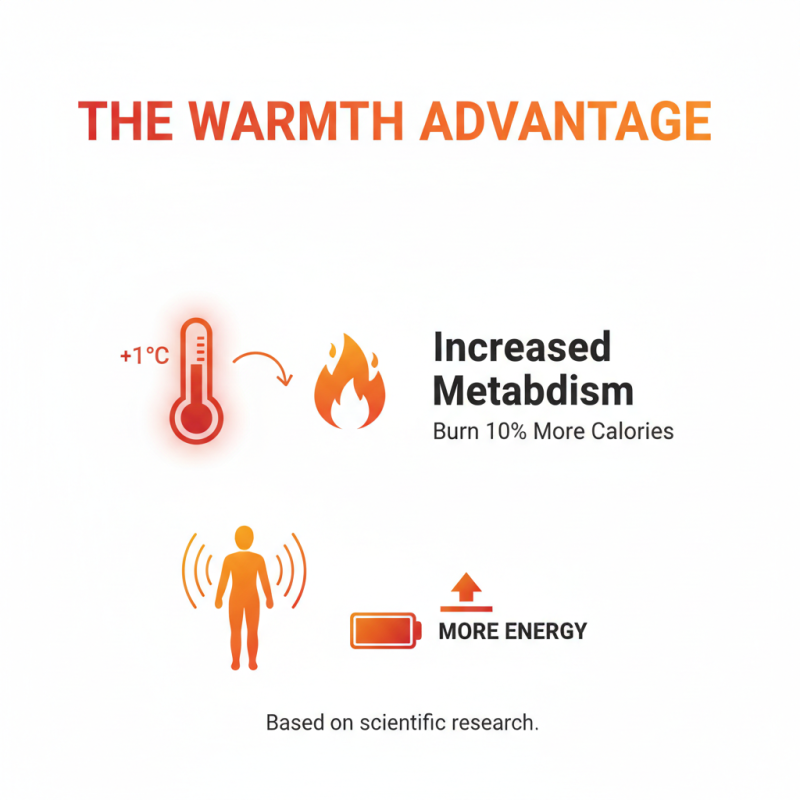
A warmer body can significantly enhance metabolism, leading to increased energy levels. Research indicates that a body temperature increase of just 1°C can raise metabolic rates by about 10%. This means that even slight warmth can have a substantial impact on how we burn calories throughout the day.
Warmth can influence our energy levels. Studies show that individuals who maintain a higher body temperature report feeling more energetic and alert. They often engage in more physical activity. This can improve overall fitness levels. However, it’s important to note that excessive heat can lead to fatigue and dehydration. So, finding a balance is crucial.
Moreover, a warmer body may also enhance nutrient absorption. The body processes nutrients more efficiently when properly warmed up. This can lead to better energy levels, but it's not a guaranteed outcome. Some individuals might experience discomfort with increased warmth. Understanding our individual responses to temperature is essential. Each person's comfort level varies, which makes this an area for personal reflection and adjustment.
Influence of Body Temperature on Immune Function and Disease Resistance
Maintaining a warmer body temperature can positively influence immune function. Research shows that elevated body heat helps activate immune cells. These cells quickly respond to pathogens. A study from the Journal of Immunology found that a 1°C increase in body temperature can enhance the activity of various immune cells. This condition makes it harder for infections to take hold.
In daily life, a warm body can also improve circulation. Better blood flow encourages the transport of immune cells throughout the body. This helps to identify and eliminate harmful invaders more efficiently. Moreover, our body's natural response during illness often includes fever. Fever is a defense mechanism that raises body temperature. This might be painful, but it plays a critical role in disease resistance.
However, maintaining an optimal body temperature isn't easy for everyone. Stress, poor diet, and sedentary lifestyles can lower heat production. The challenge is finding balance. People may overlook simple actions like staying active or dressing appropriately for the weather. These habits can improve body warmth and overall health. The connection between temperature and immune function reflects a delicate interplay we must actively manage.
Role of Comfortable Body Heat in Stress Reduction and Mental Well-Being
Comfortable body heat plays a significant role in reducing stress and enhancing mental well-being. Research shows that maintaining a warm body temperature can lead to improved mood. A study from the University of California found that individuals exposed to warmer environments reported lower anxiety levels. The warm temperature promotes relaxation and helps buffer against daily stressors.
In colder conditions, our bodies work harder to maintain core temperature. This effort can lead to fatigue and irritability. The American Psychological Association states that being cold can negatively impact cognitive performance. When our bodies feel warm, we tend to be more alert and engaged. This alertness can enhance focus, allowing us to tackle tasks more efficiently.
Body heat also encourages better sleep. According to the National Sleep Foundation, a comfortable body temperature fosters restorative sleep patterns. Sleep is vital for emotional regulation and mental clarity. Many people overlook how temperature impacts their sleep environment. Adjusting just a few degrees can lead to deeper sleep and improved wakefulness. Understanding this balance can lead to a more peaceful and productive daily life.
How Warmer Body Temperatures Improve Sleep Quality and Recovery
A warmer body temperature can significantly enhance sleep quality. When our body is comfortably warm, we tend to fall asleep faster. This is due to the relaxation of muscles and decreased tension. Warm environments often promote deeper sleep stages as well. Imagine curling up in a cozy blanket on a cold night. This warmth envelops you, making it easier to drift off.
Elevated body temperatures also aid in recovery. After a long day, your muscles can feel tight and sore. A warm body promotes better blood circulation, helping nutrients reach your muscles more effectively. Increased circulation can reduce recovery time after workouts. However, not everyone is aware of the optimal temperature for sleep. Too warm can lead to restlessness. It’s essential to find your ideal balance.
This relationship between warmth and well-being is not entirely straightforward. Each person has a different comfort zone. Some may prefer a cooler sleep environment. It’s important to pay attention to what works best for you. Listen to your body’s cues and adjust accordingly. Experimenting with different temperatures at night can lead to insights about your personal comfort and health.
The Impact of Heat on Muscle Function and Physical Performance
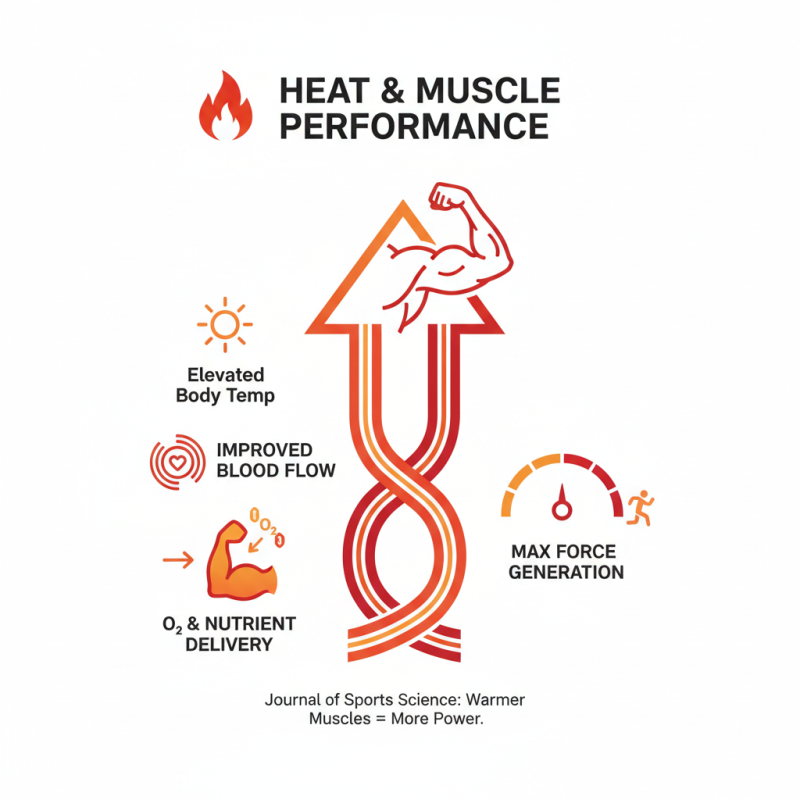
Heat plays a crucial role in muscle function. Elevated body temperature improves blood circulation. This increased flow enhances the delivery of oxygen and nutrients to muscles. A report from the Journal of Sports Science noted that warmer muscles can generate more force. This is vital for athletes aiming to maximize performance.
Moreover, warmth can reduce the risk of injuries. When muscles are warm, they become more flexible. This elasticity helps prevent strains and sprains during intense activities. According to a study published in the Journal of Athletic Training, warming up can decrease injury rates by 20%. However, it’s essential to find the right balance. Too much heat can lead to overheating and dehydration.
In daily life, keeping a warm body can improve your comfort levels. Warmth can alleviate stiffness, making movements easier. However, excessive heat may cause discomfort. People must listen to their bodies. It's a delicate interplay, as what feels good today might require reflection tomorrow. Embracing warmth means embracing a mindful approach to physical activity.